Forum
Replacing Sodexo with local eats
 Elma Ademovic | Staff Illustrator
 I’m a picky eater, always have been, always will be. When I first got to WashU, my biggest worry wasn’t my mattress (Tempur-Pedic, thank you very much), my roommate (a good one), or my schedule (actually great); it was the food.
This month, I grabbed a sandwich from Collins Farms and accidentally ordered the wrong one, so I stashed it in my fridge and wandered over to Qdoba. While waiting in the overwhelming line (and remembering why I’d only bothered with this once before), it occurred to me: I have not been eating where I had anticipated I would.
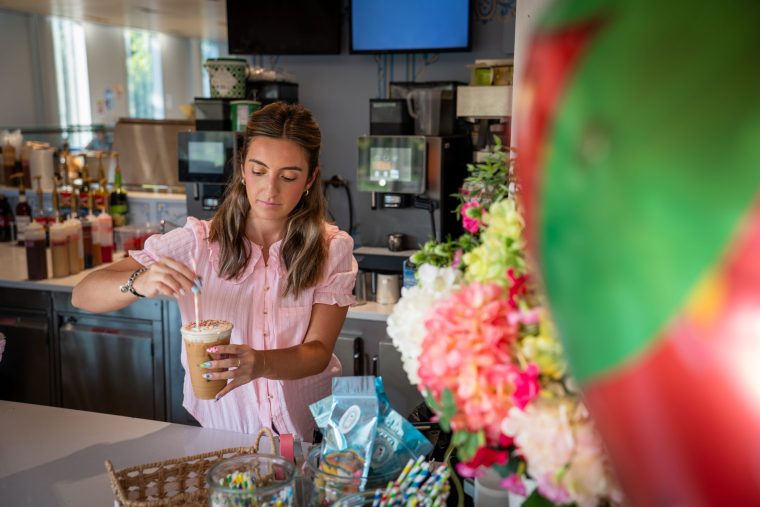
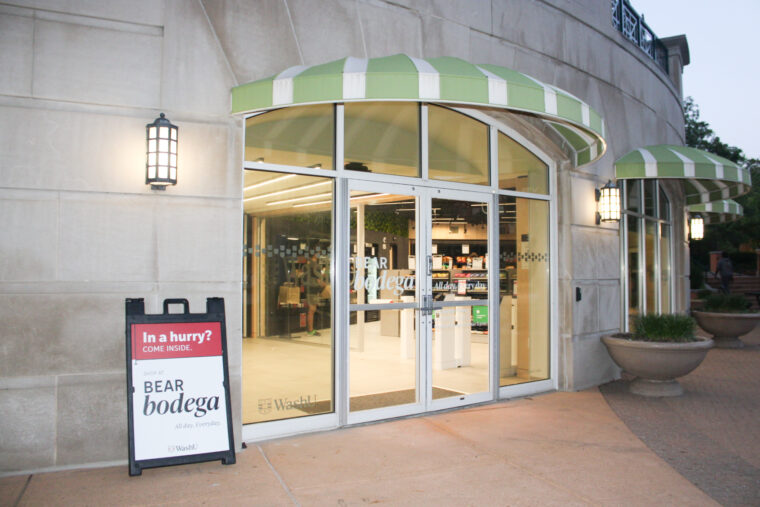
I assumed my meals would all come from the WashU-run dining halls, the Danforth University Center (DUC) or Bear’s Den (BD), since they would have the classic burger and pizza, which you can’t really go wrong with. But the truth is, I kept gravitating toward the local food spots and independent restaurants featured on campus, like Beast Craft BBQ, LaJoy’s Coffee Cafe, and Collins Farms.
I may be a picky eater, but that doesn’t stop me from at least trying new things (whether I end up liking it is what’s up in the air). When I eat at BD or the DUC, I find myself defaulting to the “local” options: seasonal dishes, St. Louis-style meals, or food from vendors with real roots in the community. Although I only end up liking the food half the time, the food I do like tastes 100 times better than the usual options at the DUC and BD.
Other students seem to agree, preferring food from independent restaurants on campus in comparison to the copy-and-paste Sodexo foods.
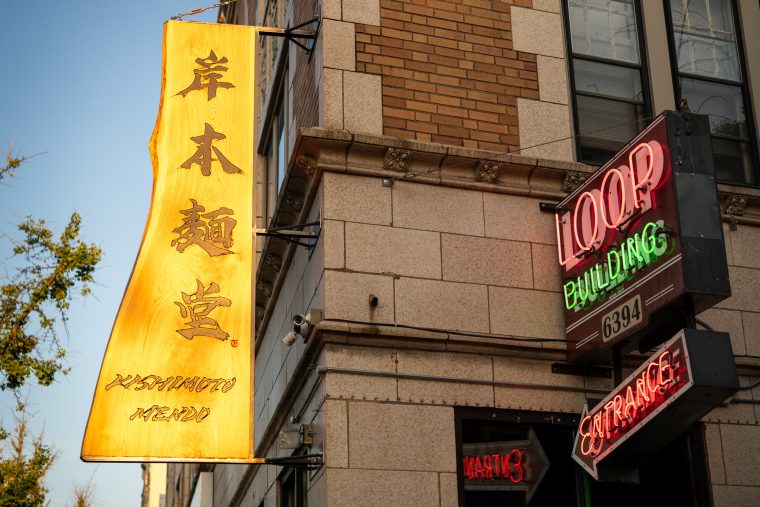
Over the past few weekends, I ate with friends at off-campus spots like Fitz’s and Blueberry Hill. We inhaled the food, and I discovered that food made by independent restaurants feels authentic, like it has a story behind it. Family recipes. Passion. Pride. Compare that with the standardized, one-size-fits-all meals churned out by Sodexo, which serves more than 400 other universities. While this food is made by hand by cooks and workers who care about our meals, the recipes don’t feel unique. They are meant to be mass-produced to serve a variety of palates and tens of thousands of students a day.
One of our university’s commitments is to be “In St. Louis, for St. Louis,” yet our current food services are one of many factors that hold us back from this goal coming true. WashU prides itself on exposing students to new cultures, perspectives, and experiences. But when it comes to food, outsourcing everything to an impersonal corporation undermines that mission; it denies students access to food that’s actually representative of local culture.
A campus’s food often plays a huge role in the culture at the school, as students often congregate and eat with friends and classmates. The space in which these students hang out is often tied to the food they eat. For example, if I want a good panini, I go to Collins Farms in Anheuser-Busch Hall, where I eat with peers under the glass pyramid ceiling. If the food is tasty, students stay to savor the meal, and they interact more with peers. If we want to build a community here at WashU, we have to start with the food.
Sodexo does provide food from different cultures through some of its food stations, but the food tastes like a cheap copy. Real cultural food comes from people within the culture who have been making the food for generations, not from a company trying to check boxes across 425 campuses. Sodexo at WashU wants to be a jack of all trades, but that comes at the cost of being a master of none.
WashU should align its food with its values. As a university, we should partner with only local restaurants and chains, showcase St. Louis’ food culture, and support small businesses while feeding students real meals. If each brand focuses on its own cuisine, we can still have a variety of food and mastery of the cuisine.
Some may be concerned with the price of this switch, and that is fair; however, the lasting impact outweighs the initial issues. As previously stated, students are mainly eating at independent food spots, creating long lines. If all of our food spots act like this, this will evenly distribute lines. This creates efficiency, less time spent waiting for food, and an increase in profits, which will cancel out the initial costs.
We don’t need “mystery meat gyros” or generic DUC pizza buried in mozzarella. We need meals that feel intentional, not industrial. Let’s quit this imitation of cultural foods and commit to a dining experience that is exclusively composed of local restaurants.
Stay in Touch!
Get the latest and top news from StudentLife delivered to your inbox