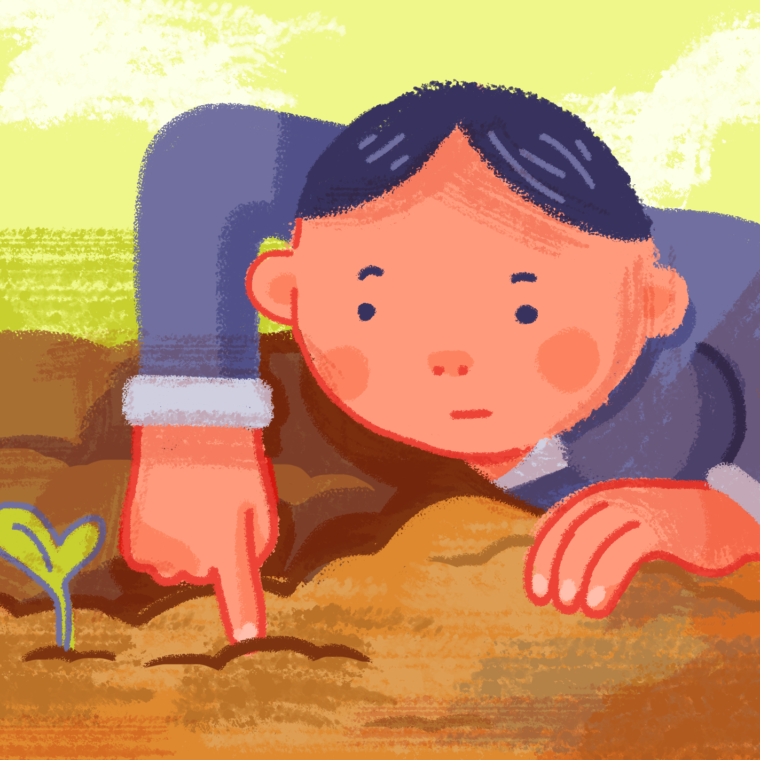
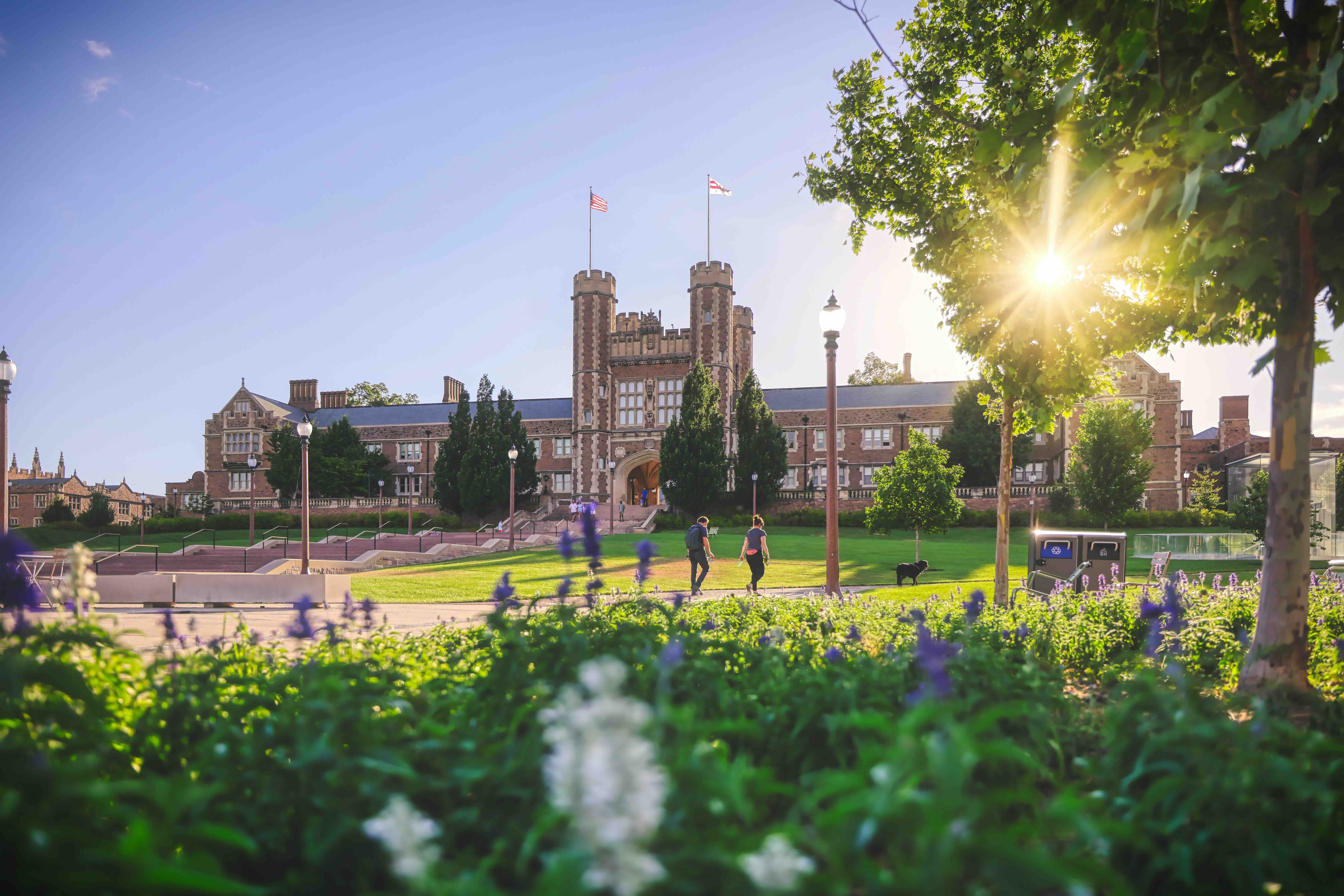
WashU’s first Public Exchange project — which tests St. Louis’ soil for increased lead levels after the May 16, 2025, tornado — hopes to have its first data sets ready in mid-February 2026.
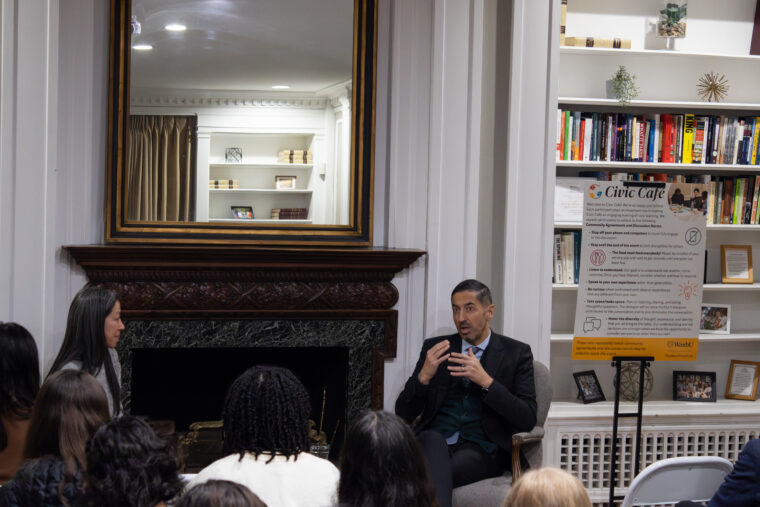
Dean of WashU’s School of Public Health Dr. Sandro Galea spoke about the broadening scope of public health in the midst of increasing politicization during a Civic Café event hosted by the Gephardt Institute on Jan. 14.
In the discussion moderated by Engage Democracy Fellow Dana Chapnick, Galea said it is time for health to no longer be a divisive matter.
Yes, you signed your roommate agreements when you were still civil — pretending to be nice, polite, and far too gracious. Back then, you hadn’t been jolted awake by your roommate stumbling in at 2 a.m. or learned to press your ears flat to stifle their unique snores.
“Disinformation starts at home because it exploits the target societies,” Sedova said. “It understands them. It tries to exploit the wedges and fissures.”
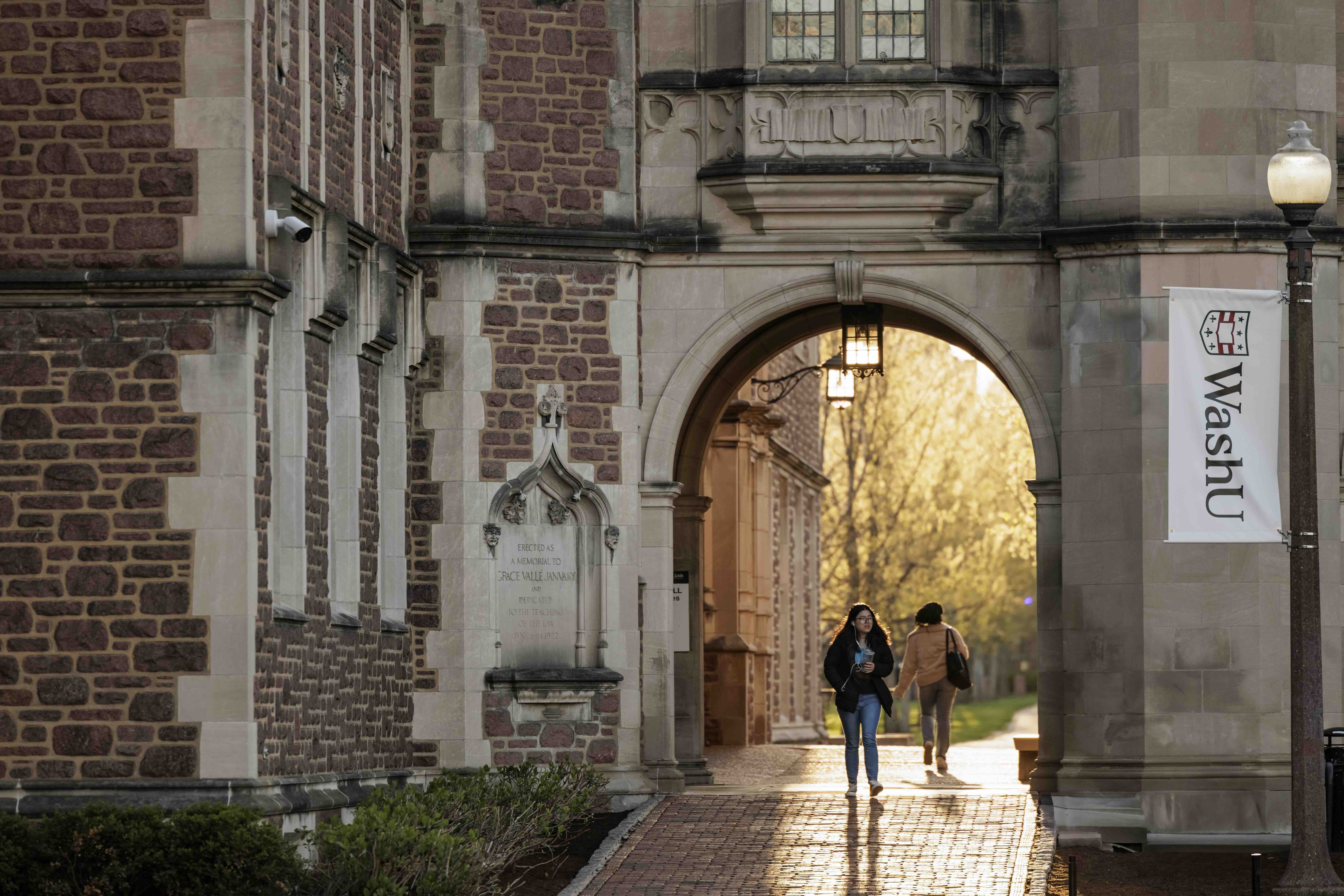
“Although the task force [is] currently done, I would argue that students probably don’t feel like it’s the end. In this whole attack on higher education, which happened to be coinciding with this proposed task force — whether or not those are connected, I can’t say — it’s a scary time to be a student,” Scott said.
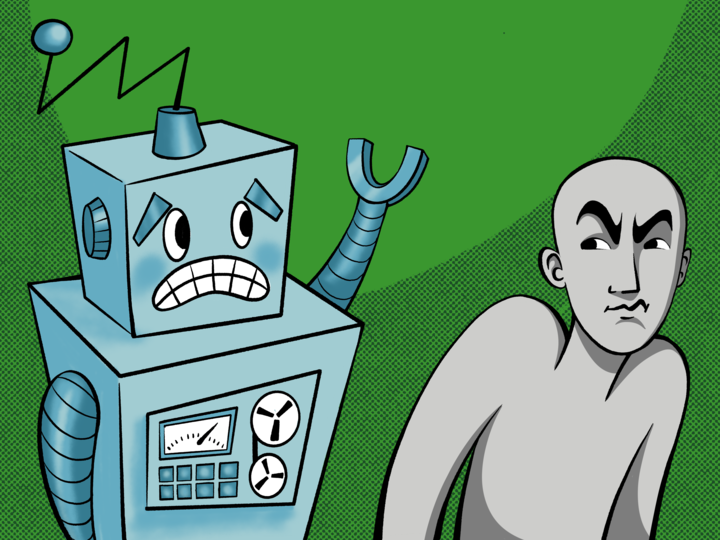
While “clanker” spread through algorithms, it has also slipped into the real world, expectedly, among younger circles. People use the term in conversations in ways that mirror online comments, carrying the same undertone of bigotry and appearing only in contexts of bigotry.
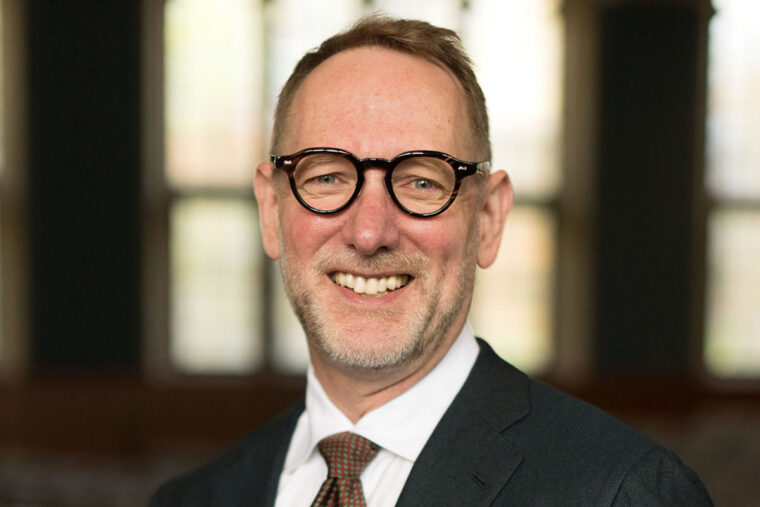
The WashU community recently greeted a new provost and executive vice chancellor for academic affairs, Mark D. West.
Stay up to date with everything happening at Washington University and beyond.
Subscribe