Scene
‘JALI: Threads of Memory’ brings African storytelling to the runway
Lakmé Bergeret | Contributing Photographer
Lakmé Bergeret | Contributing Photographer
WashU’s African Students Association (ASA) hosted its 18th annual fashion show “JALI: Threads of Memory” in Graham Chapel on Feb. 28. The event transformed the space into a living archive of African history and culture, honoring the West African jali — a traditional storyteller, musician, and cultural historian. Through fashion, poetry, music, and performance, the show celebrated the continent’s diversity while emphasizing storytelling as a means of preserving memory and sharing culture.
The show centered around the five main regions of Africa: east, west, north, central, and southern.
“Each region of Africa showcases a different story that we’re aiming to express through the dynamism of the walks, music, and the performances,” Creative Director and senior Temi Ijisesan said.
Before each regional walk, sophomore emcees Izzy Mbatai and senior OreOluwa Oni narrated either a traditional story or a historical account, introducing the region’s values.
The show opened with “Jarabi” (translated from Mandinka, a West African language, as “beloved”), a song performed by senior Toni John, whose gentle voice filled Graham Chapel. The song, rooted in traditional Malian melodies, set a reflective tone and established the theme of storytelling that carried throughout the night.
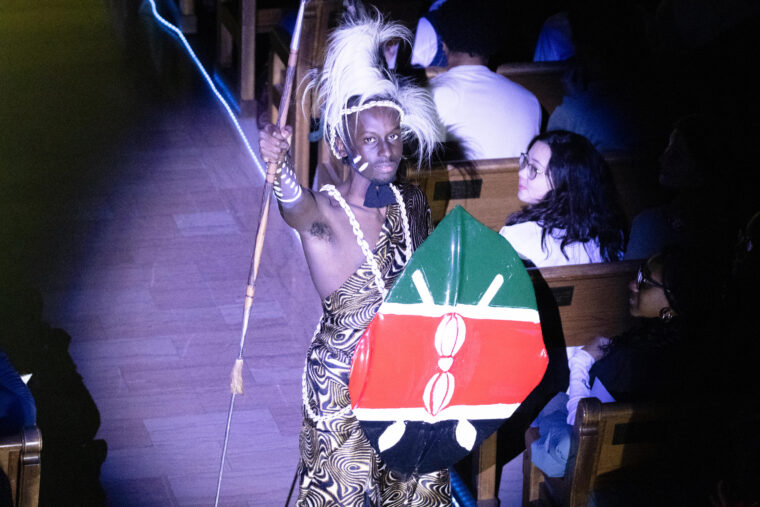
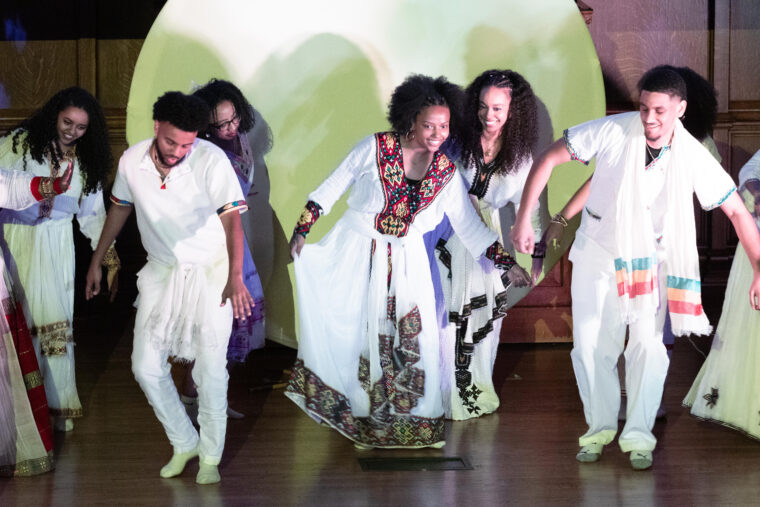
The first regional segment highlighted East Africa. Mbatai and Oni introduced a story about a lion, a hare, and a hyena, centered on a message about loyalty and wit. The tale set the stage for the East African walkway, which featured aesthetics from Kenya, Somalia, and the Democratic Republic of the Congo. As each model strutted forward in bright, patterned garments, the energy in Graham Chapel shifted, and cheers broke out. The audience was swept up in the rhythm of the walk, as each step, turn, and pose carried a story of pride, heritage, and celebration.
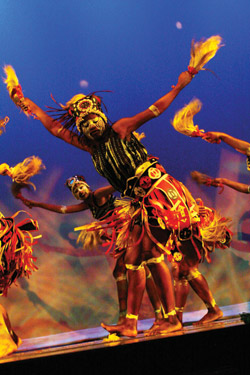
The models who walked also performed traditional East African dances, including Guragigna, Tigrinya, and Amhara styles. The performance blended movement and storytelling, using rhythm and coordinated steps to cultivate cultural identity.
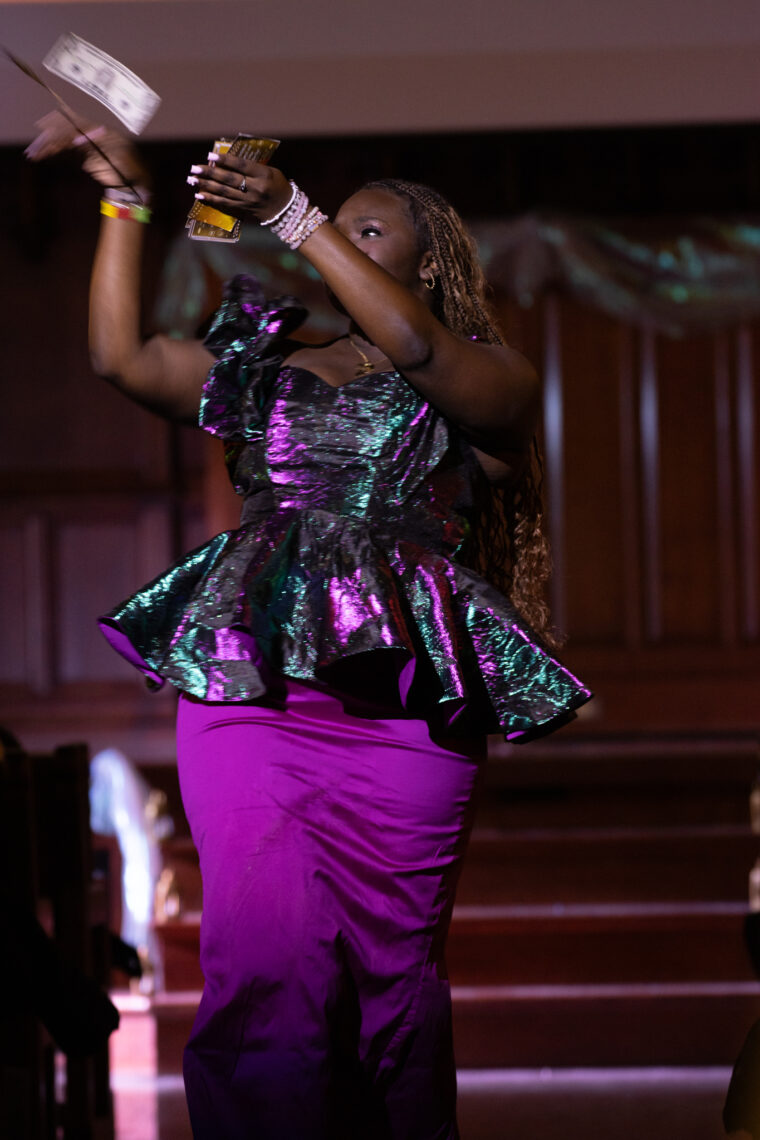
Before the show transitioned to the next region, the second walk featured attire that ASA purchased from Cee Cee’s Closet NYC, a fashion brand founded by sisters Uchenna and Chioma Ngwudo. The brand celebrates West African heritage through bold prints, vibrant textiles, and cultural designs. The brand’s design came to life on the runway as students modeled pieces that blended tradition with modern style, transforming cultural expression into powerful pieces.
The North African segment shifted in tone, beginning with the ancient Egyptian myth of Osiris and his wife, Isis. Narrated by the emcees, the story centered on Isis’ devotion to her husband after he was betrayed by his brother Set. Even after Osiris was exiled and torn apart, Isis searched for him and restored him through her love. Framed as a story about hope and the power of love, the myth introduced the third walk, the North African walkway.
This walkway featured traditional garb from Algeria, Morocco, Tunisia, and Egypt. Each model made the runway their own, bringing different personalities to the runway; some models added a quick dance, and others paused for dramatic poses, turning the chapel into a space of self-expression.
After the North African walkway, junior Ahmed Metti performed his poem “The Heart of Algeria,” tracing Algeria’s journey through colonization and independence. “She rises, she resists, she is free,” Metti said, emphasizing the country’s enduring strength and hard-fought liberation.
In the poem, Ahmed also touches on the history of all the countries in North Africa, illustrating their struggles and the strength it took to overcome them. The poet shifted his attention to the present, shining a light on the ongoing hardship in Sudan.
“Colonialism lives when we are silent, watching someone else’s world burn,” Metti said. Metti’s poem shifted “JALI” from celebration into a call for change, reminding the audience that storytelling can also be an act of resistance.
The South and Central Africa segment followed with the tale of the Rain Queen, a historical figure whose powers were said to command the skies. The story was paired with a captivating performance from the Afrique Dance Ensemble (ADE), a South African dance group that traveled from the University of Illinois Urbana-Champaign to showcase the rich and diverse movements of the region. This walkway featured views from the Democratic Republic of Congo, Cameroon, South Africa, Botswana, and Zimbabwe. The models strutted in solos or pairs, sometimes in opposite-colored pairs that played off each other. With playful steps, small spins, and coordinated poses, each movement gave their walk its own energy and personality.
West Africa concludes the regional storytelling with the tale of Anansi, a clever spider who won stories from the sky god and returned them to humanity. It was a fitting and memorable narrative for a night dedicated to reclaiming and sharing memories of Africa’s rich culture and history. A mesmerizing West African dance followed the story, its coordinated footwork and flowing movements bringing the energy and spirit of the region to life.
This performance led to the West African walkway, where models represented traditional attire from countries such as Senegal, Nigeria, Ghana, Gambia, and the Ivory Coast. Models walked with complete control as if they were carrying the weight and pride of their ancestors, with each step echoing the rhythm and spirit of their homeland.
The second-to-last walk was a tribute to each nation’s beauty: a flag walk. The flag walk represented all 54 African countries.
“Each flag shares its own story well within the strand of the nation’s culture, history, and people,” Mbatai said. As models carried each nation’s flag down the runway, the audience was reminded of the importance of each country.
The show concluded with the Executive Board walk. Members of ASA’s leadership took to the runway, celebrating not only culture but the months of planning and dedication that made the show possible.
“This idea started as jumbled notes on Google Docs, and seeing it come into [life] has been such a rewarding and deeply powerful experience,” Ijisesan said, reflecting on the journey of bringing the show to life.
The 18th annual ASA fashion show was a celebration of Africa’s vast and rich traditions. From east to west, north to south, each walk represented the continent’s stories, culture, and resilience, leaving the audience with a deeper appreciation for Africa’s heritage.
Stay in Touch!
Get the latest and top news from StudentLife delivered to your inbox