Forum
Unsuspend ADHD treatment at the WashU Student Health Center
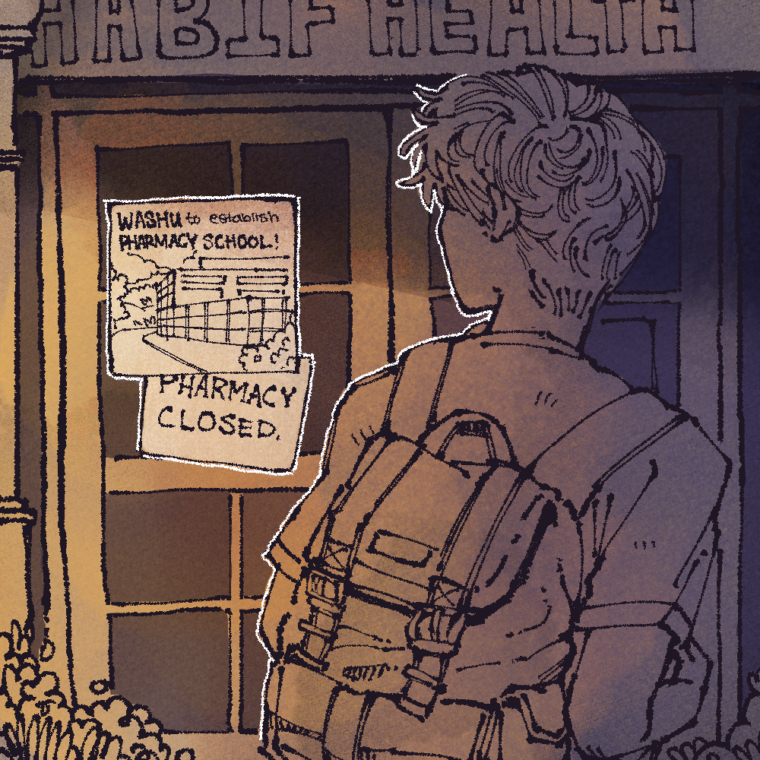
In March 2020, Habif Health and Wellness Center Psychiatry Services, now the WashU Student Health Center, “suspended the treatment of new or transferred patients” who need stimulant medication for ADHD. The number of students seeking treatment for these disorders had increased so much that, in order to prioritize and support patients with “immediate mental health needs” (or “high-risk” patients), the Health Center stopped providing ADHD-related treatment completely.
The Health Center should reinstate its ADHD-related treatment because its inaccessibility perpetuates academic inequality, disproportionately affecting female, first-generation, and low-income students. The Health Center’s mission statement emphasizes “examining the places in which [their] practices perpetuate … inequalities, and working honestly and transparently to correct them.” The inaccessibility of ADHD-related treatment has implications for students’ academic success, future employment prospects, and mental health and safety. Medication and academic accommodations, made available only after a diagnosis, can completely change a life.
Though students may have been able to succeed enough academically to get into WashU without a diagnosis, high school and college aren’t comparable. WashU recognizes that college is a unique academic challenge, often requiring new skills or a higher level of skill than was needed for students to perform well in high school, and it offers various workshops to train incoming students on time management, procrastination, and organization. Not only do the elevated performance demands of college tend to bring undiagnosed ADHD to light, but students can reach the point of burnout after years of high achievement without treatment and coping skills.
Because women are more likely than men to receive an ADHD diagnosis once they have already reached adulthood, we can assume that the majority of students seeking a diagnosis for the first time in college are female.
Low-income students experience a similarly disproportionate negative impact when they lack sufficient access to healthcare until they arrive at college. As Congress moves toward increased requirements for Medicaid eligibility, many low-income grade school students will find their coverage on the chopping block, placing even more responsibility on WashU to meet them where they are after a letter of admission. Efforts to support students with high need-based financial assistance, such as the TRIO, Kessler Scholars, and Taylor Scholars programs, must be supplemented on the clinical side. The Health Center’s psycho educational workshops offering students coping skills are valuable but unlikely to assist a struggling, undiagnosed student to the extent that accommodations or medication could.
Creating an inclusive, equitable, and nurturing school environment involves all types of support for neurodevelopmental differences.
The Health Center encourages students to seek ADHD diagnoses and treatment outside of its system, but accessing healthcare external to the University is not so simple. Students who are unfamiliar with the mental healthcare system and have to advocate for themselves as patients for the first time can face a “hidden curriculum” in the healthcare sphere. The same students who are more likely to come into college undiagnosed are the ones with less experience, knowledge, and power to negotiate. The Health Center purposefully facilitates intake, appointment making, and provider communication in a way that is easy for students to understand and access.
Although WashU affords an insurance plan to students on need-based aid if they do not already have one, navigating health insurance with external providers can prove discouraging and anxiety-inducing for students already concerned about finances. Long waitlists, intake, expensive evaluation, and treatment from a provider outside of the school are all intimidating for college students. Whether they are thousands of miles from their parents, are on full financial aid with no experience with a mental healthcare provider, or simply feel that the obstacles outweigh their their unconfirmed suspicions of a disorder they haven’t been diagnosed with in their 17-22 years of life, students confronting the process are left vulnerable by the lack of care built into the University’s health services.
In no way am I suggesting that patients with “immediate mental health needs” should have those needs pushed aside to serve different students. However, there is a correlation between undiagnosed ADHD, particularly in women, and development into a high-risk patient.
A recent literature review shows a pattern of maladaptive emotion-oriented coping, including substance abuse and sex as self-medication, in women with undiagnosed ADHD. Women with ADHD are far more likely to present psychiatric comorbidities, including self-harm, eating disorders, anxiety, and depression, than their male counterparts. They are also far more likely to experience suicidal ideation and attempt suicide than those without ADHD. It’s impossible to ignore the necessity of ADHD care to triage and prevent patients from escalating to “high risk.”
The decision to suspend ADHD treatment was made when the pandemic put an enormous stress and demand on healthcare providers, and extraordinary circumstances call for extraordinary responses. I believe that we can do better now than during the adjustment period at the beginning of the pandemic.
Peer institutions such as Emory University, Case Western University, and Rice University have almost identical policies to WashU. This pattern is concerning, given the unequal effect I’ve outlined. With such close ties to its medical school and the medical world, WashU has the opportunity and responsibility to set a precedent of equitable healthcare. If the Health Center’s current resources simply cannot be stretched or redistributed, then the University should increase its funding for the same reasons.
Having deeply benefited from WashU’s Center for Counseling & Psychological Services myself over the past few years, I appreciate this organization’s work beyond words and want all my peers to benefit as I have.
Stay in Touch!
Get the latest and top news from StudentLife delivered to your inbox