Forum
WashU must fight harder against anti-Black racism
Lucia Thomas | Managing Illustration Editor
As a Black student, I have experienced many micro and macroaggressions on campus, from people asking off-putting questions about my hair to exaggerated blaccents. So when an AI-generated image of a Black man being arrested for having a gun on campus was created and posted to the anonymous social media platform Sidechat during the armed threat alert in February, I was disheartened, but not shocked.
The true frustration, however, can be found in WashU’s response to this image being posted (or lack thereof). The Association of Black Students (ABS) informed Vice Chancellor of Student Affairs Anna Gonzalez of the creation and uploading of this racist image, yet the University did not acknowledge the hurt and harm the image did to the Black community on campus. Lack of acknowledgement of this incident, and others, sets a tone that anti-Black racism on campus is permissible and that students will not face consequences for harassing members of the Black community.
Even more troubling is the pattern of incidents that occur without real accountability. Students in 2024 harassed dining hall workers, in 2013 allegedly used the n-word during fraternity pledging activities, and now some are creating and sharing racist AI images. Yet the consequences rarely match the severity of the psychological harm that racism perpetuates against the Black community. Fraternities may be temporarily suspended. Statements may be released. These responses, however, are reactive, minimal, and clearly ineffective in combating anti-Black racism on campus.
WashU’s approach appears to prioritize institutional image and public relations over confronting the realities that Black students face on this campus. Stances like “institutional neutrality” avoid taking strong positions on controversial issues such as racial discrimination on campus and in practice, this neutrality enables harassment. It creates an environment where non-Black students can harass, bully, and antagonize Black students with little fear of meaningful repercussions. The normalization of this harassment not only leads to major instances of racism like the ones previously mentioned, but also manifests in smaller day-to-day acts of racism toward Black community members on campus. The result is a campus climate where members of the Black community feel excluded, devalued, and unsupported by an institution that claims to foster inclusion and belonging.
In the instance of the AI image being posted to Sidechat, an anonymous platform, it can be hard to enforce accountability on one individual person. In general, however, WashU needs to move beyond performative responses like general messages condemning racist/disruptive incidents and implement policies that actively combat anti-Black racism. Accountability measures against individuals, organizations, and student groups must be clear, consistent, and enforced. The University must demonstrate through action that the safety, dignity, and well-being of the Black community is just as much of a priority as that of all other students.
These policies don’t have to be punitive, but can be proactive. Including a mandatory module on racism and cultural sensitivity in orientation trainings, similar to the sexual harassment course all students take when first arriving on campus, is an example of proactive policy to combat racism on campus. Sponsoring forums where Black students can express their experiences and recommendations regarding racism on campus is another example of proactive policy that can prevent incidents like the ones above from happening as frequently.
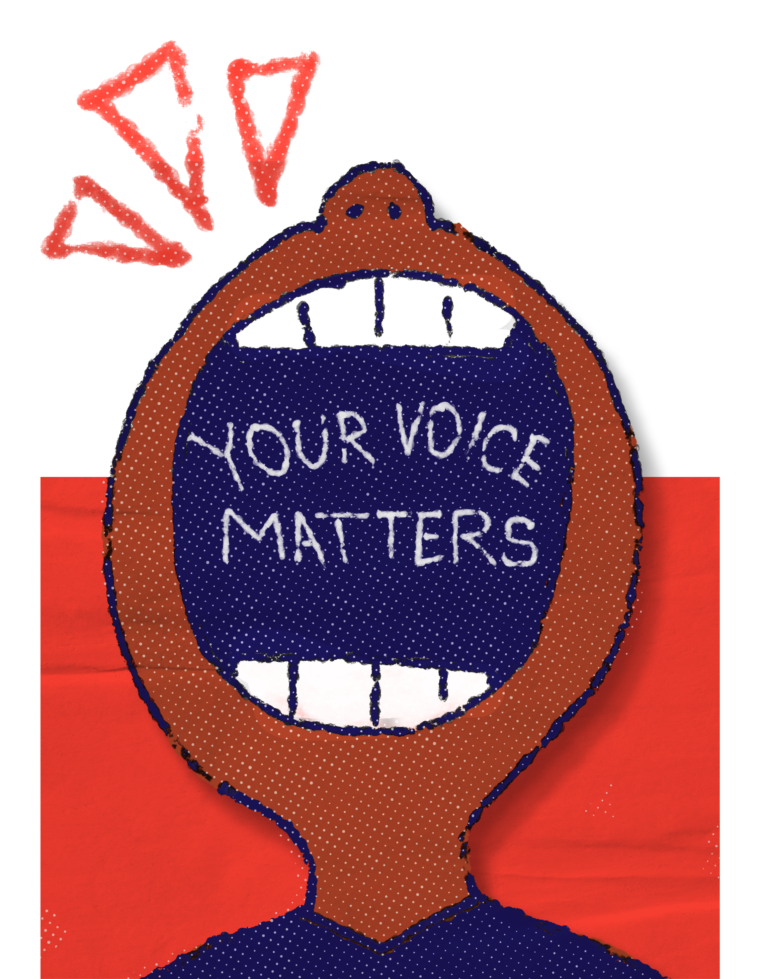
At the same time, Black students must continue to speak out about our experiences and take charge in promoting change on campus. Whether it’s through joining ABS, calling out racist instances to administration, or even sending in opinion submissions to Forum, making your voice heard on campus is always an option.
Silence and complacency allow these issues to persist. By sharing our stories and demanding change, we can put pressure on the administration to do better and work toward creating a campus environment that is truly equitable. Until then, the University will remain neutral in the face of the Black community’s struggle.
Stay in Touch!
Get the latest and top news from StudentLife delivered to your inbox