Forum
Today’s musical artists prioritize fame over true artistry
“So… what are you listening to?”
We’ve all seen TikTok interviewers on college campuses stopping students and asking them this question. Rather than the student’s music tastes, the comments on each video are what intrigue me the most. More often than not, when the students say a song from a decade or more ago, commenters will reminisce on a golden age of music, where the songs were “better” or had “more flavor” or “soul.”
So where has all this soulful music gone? Where are the Stevie Wonders writing about deep and passionate love? Where are the Alice in Chains talking about battling addiction? Where are the Amy Winehouses singing about mental health and growing pains? It seems that mainstream music has devolved into an archetypal and aestheticized format, made to be easily digestible.
The answer is easy: we’ve lost soulful music to the pursuit of fame. There was a point in time when music was made for music’s sake. You poured your heart into making an album (with at least 10 songs or more) because you had a passion to share. A live band was in the studio with you. Each lyric was carefully crafted to portray an important message.
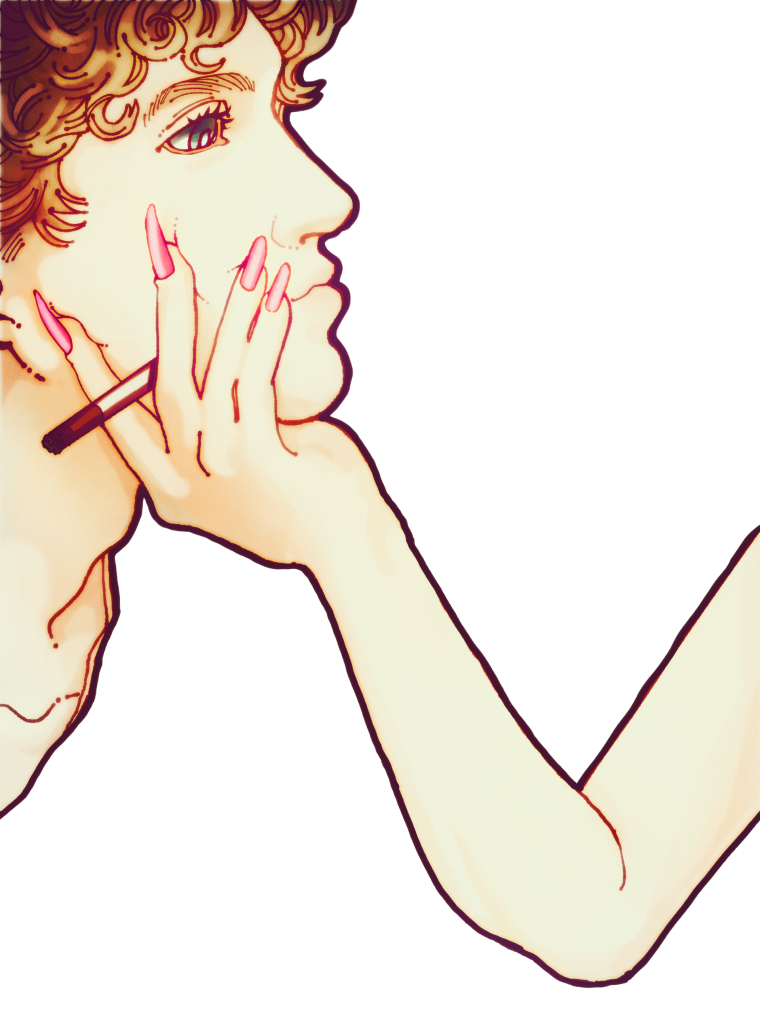
Now, the focus of making music is on picking out a certain color palette or figuring out what pose looks best for a poster. These used to be afterthoughts, a menial task to complete after the album is made, but now it’s the main event. Music has become another way for celebrities to mobilize fame. The goal is to appease the fangirl: to create a cult following that obsesses over you and the persona you provide, not the music itself. We talk more about what outfit our favorite artist wore at their concert, or what their album cover looks like, and less about the music itself.
This is not to say that all contemporary artists act this way. Our generation has produced amazing musical talent with discographies that showcase passion and love for music. Frank Ocean has tracks spanning topics regarding sexuality, longing, and addiction. UMI sings about the fear of being forgotten after a past relationship. Those talents, however, are beginning to be beat out by the Jessie Murphs and Addison Raes of the world, Murph adored for her vintage Priscilla Presley visuals and Rae lauded for her coke-chic aesthetic. While their music might be ear candy (which, I’m not afraid to admit, I also indulge in on occasion), it is no match for the fulfilling music of the past.
We can tangibly see these differences between older and newer music. In the ‘60s, 4-track recording machines were the most common technology used in music production, with live instruments and bands being dominant in the studio. Older music was respected because we acknowledged the amount of effort it took to create a single song, or especially a whole album.
Now sampling reigns supreme. Less time is spent pouring your heart into every aspect of your music’s composition. Instead, you can take a chunk of another good song, make a few tweaks, and have an album. In 2018, 66% of albums that reached the Billboard Top 50 contained samples, with an average of four samples per album. While samples can be used creatively, there is something to be said about the uptick in music that is not fully original, especially when this uptick is concurrent with the glamourized photoshoots and music videos worth millions of dollars for two-minute songs.
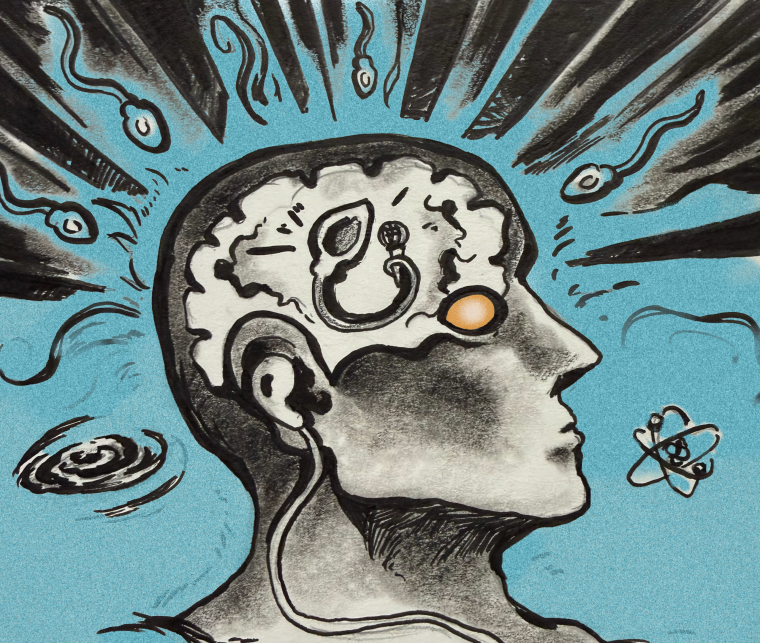
The lack of music with emotional depth may have serious implications for how we as young people conceptualize passion, emotion, and struggle. If you are listening to surface-level music, what will you connect to difficult experiences in your life? How can you critically think about the world around you, your emotions, and your struggles?
Hopefully, one day, in the post-aesthetics age, artists can get back to making music that nourishes the soul. Perhaps it’s already happening. Daniel Caesar may not be Stevie Wonder, but he is writing about his true experiences with love. Raye might not be Amy Winehouse, but her music sure does describe the same growing pains very well. We can choose to change the current state of music by critically engaging with artists and listening deeper to artists who share an experience, not an aesthetic. If we don’t make this change soon, though, the deepest song you will be able to listen to while having an existential crisis on your way to class will be “Revolving Door” by Tate McRae.
Stay in Touch!
Get the latest and top news from StudentLife delivered to your inbox