Forum
The rise of ‘trad wives’ reverses strides in women’s autonomy
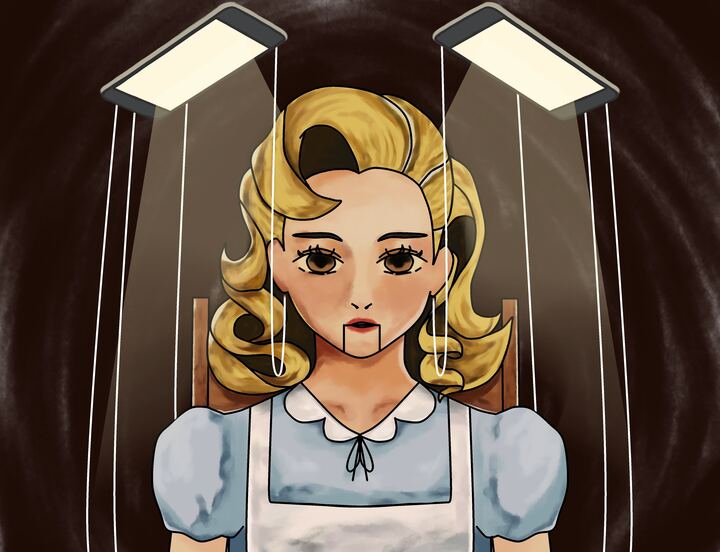 Illustration by Erica Shi
 In a viral TikTok, Hannah Neeleman is captured opening a birthday present from her husband Daniel Neeleman. She says, “Hoping they’re tickets to Greece,” only to discover an egg apron. Daniel replies, “Now you can gather eggs,” confining his wife’s aspirations to domestic labor.
It’s been 50 years since women gained the financial freedom to own their individual bank accounts, which granted women the right to work for themselves. However, recently, “trad wives,” short for traditional wives, or women who spend their days caring for the home and children, have begun documenting their activity on social media, forming a trend that only benefits the patriarchy.
Preparing meals, cleaning the home, and raising children may seem like harmless tasks to publish on social media. However, this narrative normalizes a conservative, patriarchal home structure. While some women may prefer this lifestyle to a corporate career, the glorification of dominant-submissive marriages on social media serves as anti-feminist propaganda to younger audiences.
Billionaire Daniel Neeleman is one of the greatest examples of abuse of power in a marriage via this “traditional” lifestyle. His wife, Hannah Neeleman, has been named the queen of “trad wives” due to her TikTok account Ballerina Farm. Using this account, Hannah showcases her life on their farm just outside of Kansas, making bread, milking cows, and homeschooling their eight children.
Prior to dating Daniel, Hannah was practicing ballet at the prestigious Juilliard School. Hannah wanted to date for at least a year before getting married so she could finish school, but Daniel insisted on getting married immediately. Within a month of dating, the two were engaged, and three months after their marriage, Hannah became the first Juilliard undergrad to ever be expecting.
Supportive partners should at the very least encourage one another to continue hobbies, careers, and activities that make them happy; it is essential for one’s freedom within a marriage.
Megan Agnew’s The Times article disclosed that Daniel does not want nannies in the house, so Hannah cares for all eight children and homeschools them in the space originally meant for a ballet studio. Without any room for rest or recreation, Daniel admitted that Hannah gets so exhausted that she becomes ill and bedridden.
While Agnew’s article reveals that many of the decisions in the Neeleman family were called upon by Daniel, Hannah’s TikTok puts out content that enables and condones extreme power dynamics within marriages. This content promotes the idea that wives should be able to birth and care for eight children, while taking care of meals and cleaning, without any help. Young women may get the impression that exhaustive domestic duties and left behind passions are normal effects of marriage. In reality, sending children to school, preparing simple meals, having help around the house, and having a career of your own is completely normal and may be more sustainable.
It is necessary to differentiate “trad wives” from stay-at-home moms. “Trad wives” cosplay traditional housewives from the 1950s before women had the right to own a bank account or credit card without their husband’s permission. “Trad wives” embrace this inferiority and play into their husbands’ traditional housewife fetishes by submitting to a life of servitude.
Estee Williams is a former meteorologist and current “trad wife” influencer with 197.4K followers on TikTok and 120K followers on Instagram. Williams’ bio on both TikTok and Instagram consists of her name followed by “Traditional Wife,” and her entire feed is based around this concept. She styles her hair in a classic 1950s pin-curled bob and wears long dresses and aprons, thoroughly establishing her identity as a domestic laborer. While this may be some women’s preferred style, the idealization of this “uniform” supports outdated social norms for women to cover their knees in the name of dressing modestly.
Content where “trad wives” go to extremes to make meals and household products from scratch introduces an unrealistic standard for mothers’ domestic duties. Twenty-two-year-old “trad wife” Nara Smith shows her nine million followers on TikTok how she makes homemade toothpaste and sunscreen. While content such as making the bread, jelly, and peanut butter for a PB&J from scratch gives mothers a bit of imposter syndrome about buying processed ingredients, dermatologists and dentists have expressed concern for the validity of her toothpaste and sunscreen.
It’s important to distinguish Smith’s overly obedient and poise tone from typical recipe-based content. Smith begins many of her videos with the phrase, “My husband was craving,” followed by a long-winded recipe. This pattern establishes a power dynamic where Smith’s life appears to revolve around serving her husband’s cravings. In some videos, Smith even holds her baby while she fixes these intricate meals for her husband. While she has denied “trad wife” allegations, this content, paired with her slightly modernized house dresses, seems to intentionally embody a traditional housewife’s wardrobe and demeanor.
The “trad wife” trend brings our society backward in time and dismisses today’s cultural strides. The way this power dynamic can resurface long after feminist legislation and protests worked to dismantle female inferiority showcases how male desires and patriarchal practices continue to oppress those with less power.
It is necessary to call out influencers like Nara Smith who publish a false sense of reality and health, as well as the Neeleman family where Hannah experiences labor exhaustion and emotional abuse from her husband’s unrealistic expectations. While much of these influencers’ content satisfies their male audience’s desires, it also has a large impact on girls of all ages, disregarding the benefit of having a career and glorifying a life where they are financially dependent on a husband.
Stay in Touch!
Get the latest and top news from StudentLife delivered to your inbox