As Israel ramped up its attacks on Gaza, killed more and more civilians, and committed several war crimes, many of us Jews adopted the strategies that Piper describes. We insisted that people who came out in support of Palestine were ignorantly hopping on the most recent and trendy left-wing train. We insisted that pro-Palestine rhetoric was the latest form of subtle (or not-so-subtle) antisemitism. We insisted that Hamas held 100% of the blame for the catastrophic death toll in Gaza. We insisted that those dying were indoctrinated from birth and already terrorists in the making. We even insisted that the death toll and the famine were calculated works of antisemitic fiction.
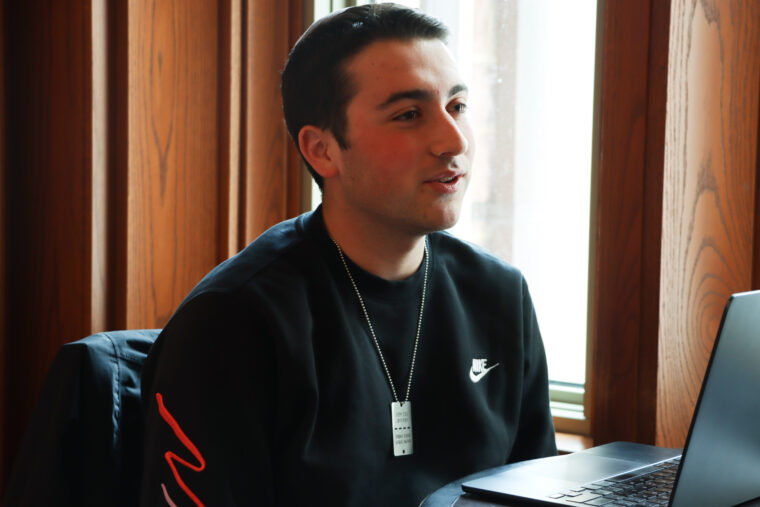
Student Life reached out to a few students personally impacted by the conflict for their thoughts and reactions to the deal.
In an address last week, former President Joe Biden announced a ceasefire deal between Israel and Hamas, which includes an exchange of hostages held by Hamas for Palestinians currently imprisoned in Israel, and an increase in humanitarian aid in Gaza. The deal went into effect on Sunday Jan. 19, and the first hostages have been exchanged.
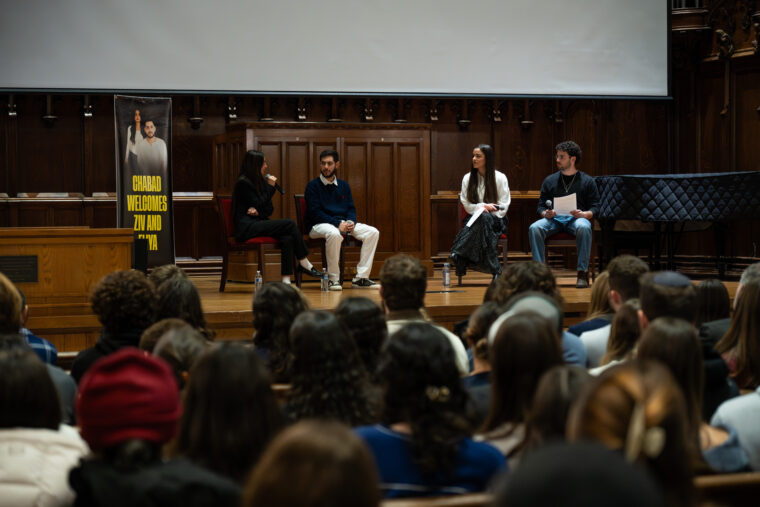
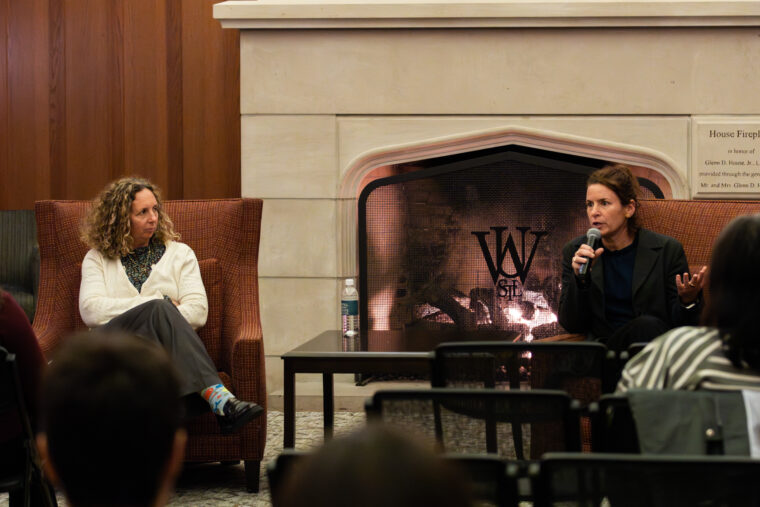
Palestinian-Lebenese author Saree Makdisi was invited by the Jewish, Islamic, and Middle Eastern Studies (JIMES) department on Nov. 4 to give his presentation “Tolerance is Wasteland: Palestine and the Culture of Denial” on his work about Western denial of Palestinian oppression and genocide.
If we keep spreading the narrative that WashU is a place of suppression of expression, then yes, it will be a space of uncomfortable silence. We, the student body, have both passively and actively created that perceived reality for ourselves.
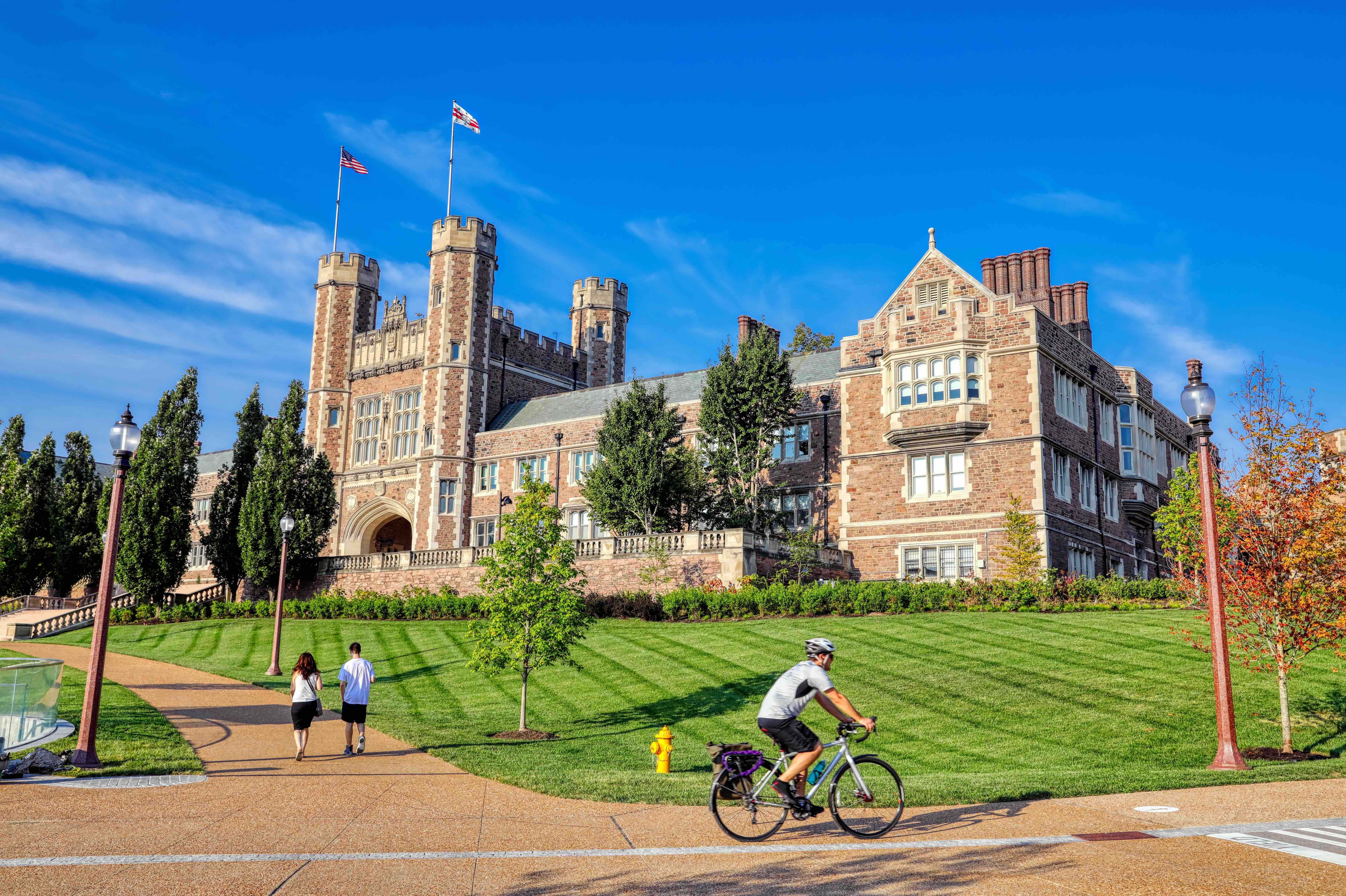
I deeply value the intellectual community I have found at WashU, and am regularly struck with admiration for the students, faculty, and staff who constitute it. That is why it pains me to see our community represented in a national news outlet by such a morally unserious statement. WashU deserves better.
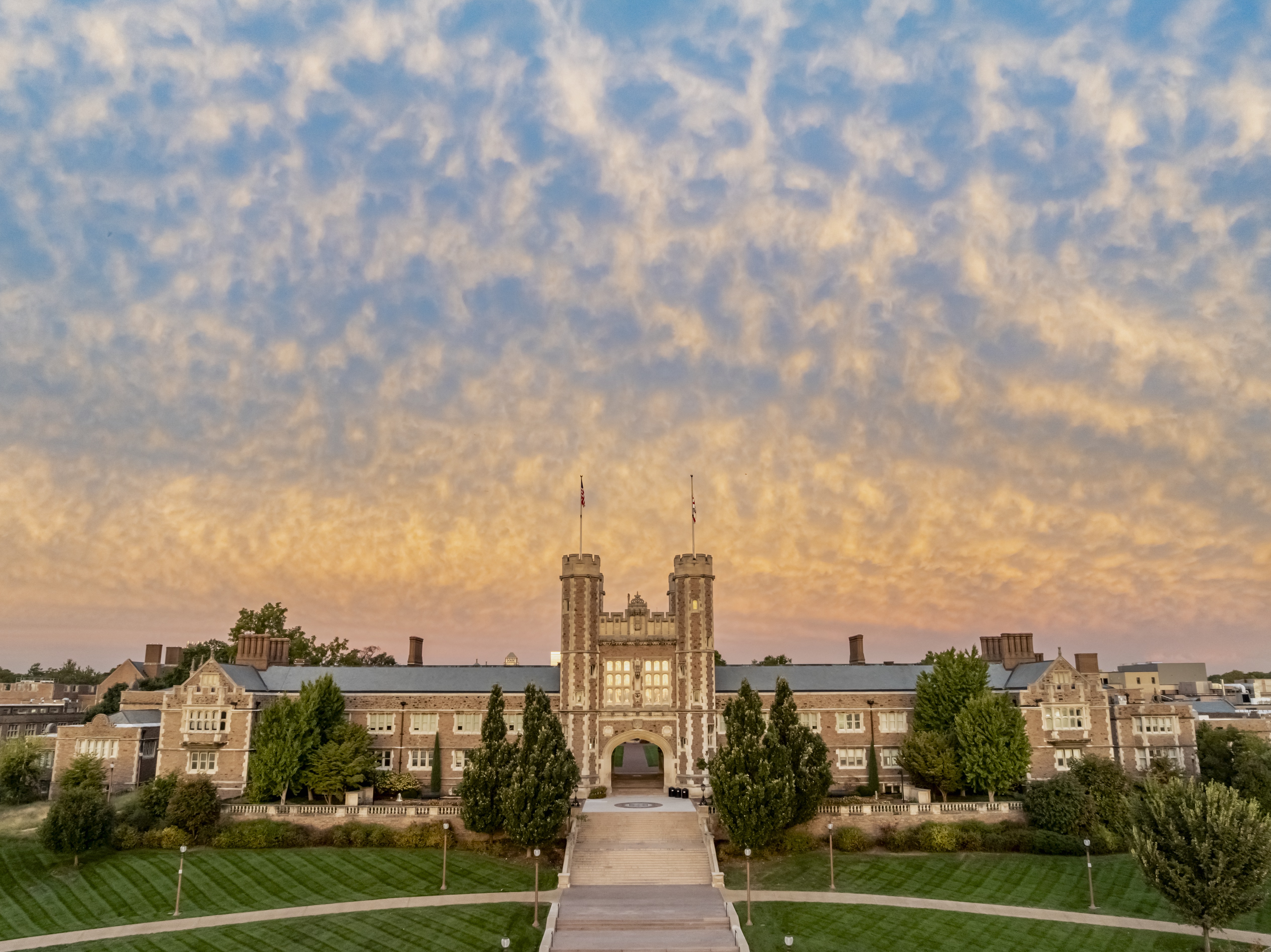
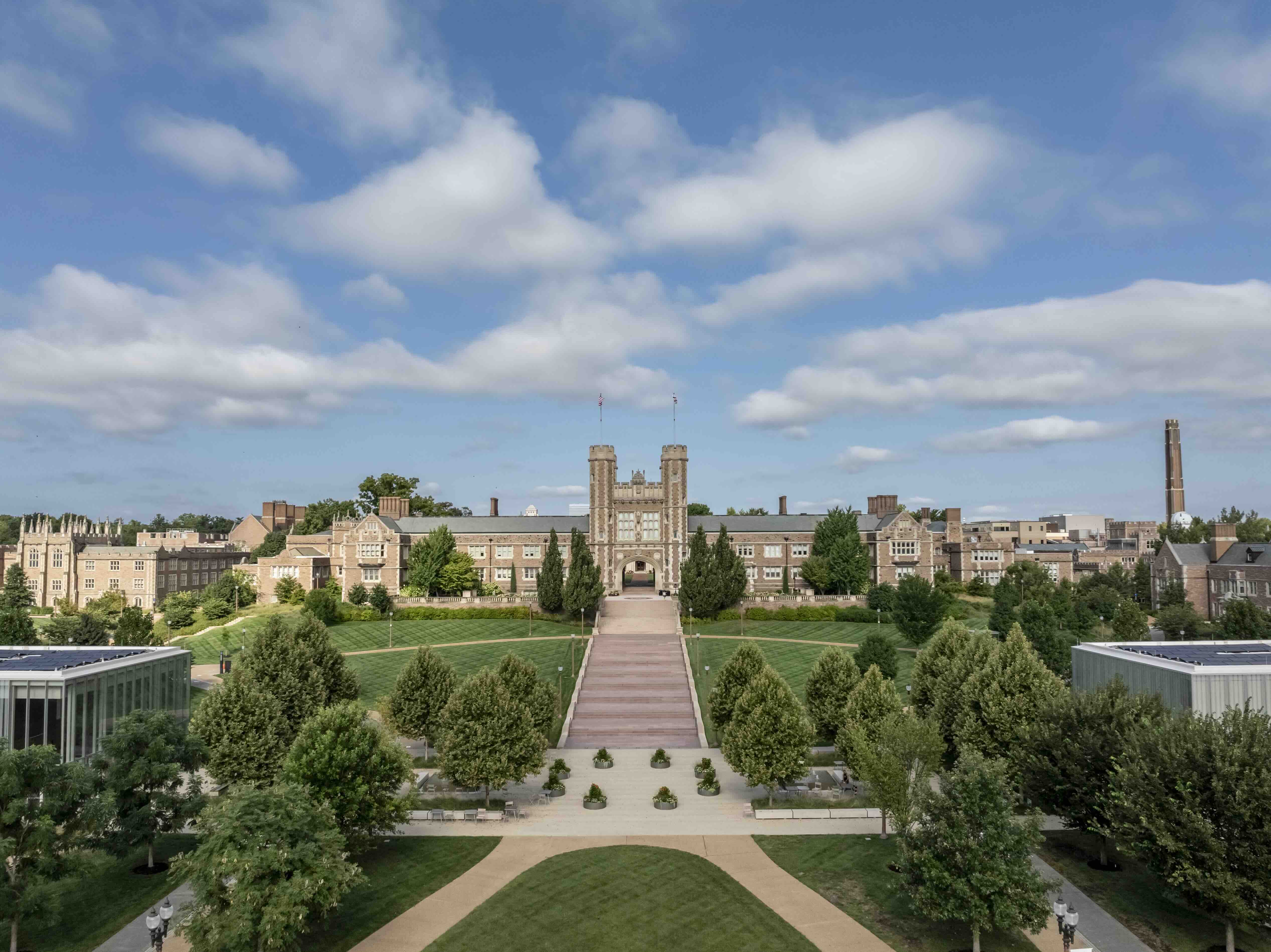
As the sun set over Brookings Hall on Wednesday evening, nearly 350 people gathered in Brookings Quadrangle to listen as speakers lit candles, sang songs, and said prayers in honor of those killed and taken hostage, just over a year after Hamas’ attacks on Oct. 7.
For many WashU community members, the defining political issue on campus in the past year has been the Israel-Hamas war that began on Oct. 7.
I can only imagine the fear young Jewish college students felt when they were abruptly shaken from their studies to such violent chanting by unknown strangers who had descended upon their campus.
We look forward to getting back to business, but not business as usual. After a 65-year-old man was nearly beaten to death by WUPD cops, after a hundred of us were violently arrested at a peaceful protest on our own front lawn, after the Board of Trustees has made clear it will not respect the will of student and faculty democracy, there can be no more business as usual.
Stay up to date with everything happening at Washington University and beyond.
Subscribe