Freshman Press
Lack of progress between eclipses calls for counterculture
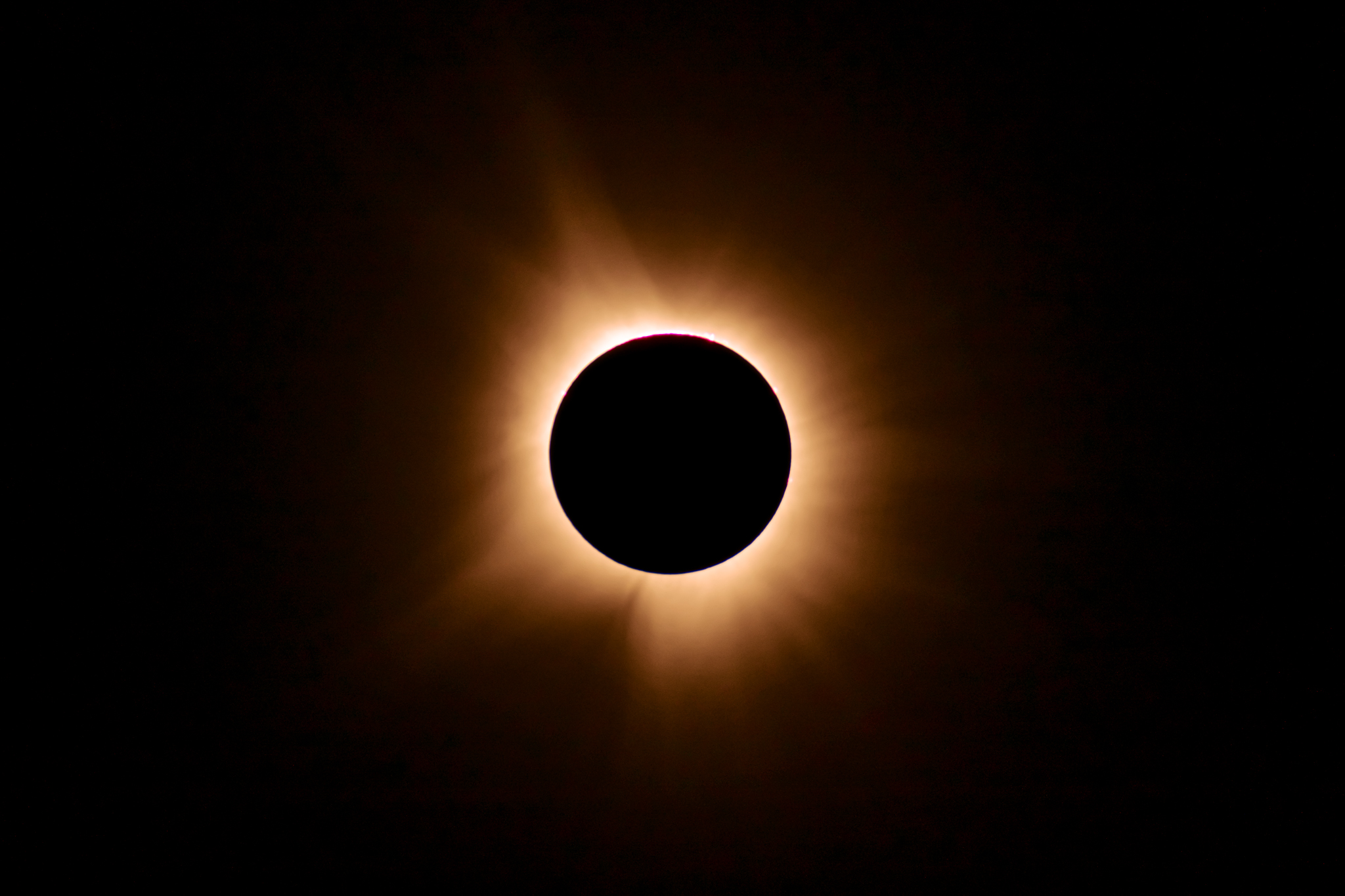
As Americans of all ages rushed to find fast-selling eclipse glasses, a common sentiment expressed by many was excitement for a “once in a lifetime experience.” Other viewers, however, knew exactly what Aug. 21, 2017 would bring. I imagine that pre-eclipse preparations sent many older viewers on a trip down memory lane to Feb. 26, 1979, the date of the most recent total eclipse in the contiguous United States. The 1979 eclipse mainly hit the Pacific Northwest, but thanks to TV broadcasting, the phenomenon reached most American households.
When the shadow of the moon fell on the United States in February 1979, President Jimmy Carter held office, Sino-American relations were definitively diplomatic and the unemployment rate was nearing stability at 5.6 percent. Life was steady on the domestic front, allowing for strong sentiments of patriotism. It was the era of the American dream. Still, hopes for further stability and progress for the future remained. During the ABC News broadcast on Feb. 26, 1979, news anchor Frank Reynolds said, “May the shadow of the moon fall on a world at peace.” Because of this sentiment, time between eclipses became a subconscious, or rather conscious, metric for progress in the United States. One St. Louis local mentioned “waiting decades for this eclipse…since high school.” Viewing the 2017 eclipse was almost synonymous for an experience of the future. Was the decades-long wait for the world of the future met with disappointment or apathy?
As the shadow of the moon falls on the United States in August 2017, we live under the leadership of President Donald Trump, unrest clouds the political climate—both domestic and abroad—and many Americans are experiencing a period of strong disenfranchisement, reminiscent of the early mid-20th century. It is difficult to imagine a 2017 without strife. Patriotism has been taken over by nationalism by many. The idea of what it means to be an American is changing; it is becoming a mark of exclusivity. As this shift occurs, it’s getting harder to be a “proud American.”
While it’s clearly a divisive time, we are lucky to be on a college campus where counterculture movements historically have taken form and thrived. The state of the nation and the lack of progress, as marked by eclipse, is such that a new counterculture movement is necessary. It’s our responsibility to take advantage of our learning environment, in which people are more likely to approach debate academically and empathetically. The counterculture movement that I, along with many of my peers, am calling for is one that champions respect and equality and empathy. The movement already is forming: Members of the class of 2021 from campuses across the country have united in efforts to release statements in support of students at the University of Virginia who may feel unsafe in Charlottesville, Va. Protest culture is thriving, and political activism has boomed since the 2016 election. In a time of “fire and fury,” we now have the choice to commit to fostering a sense of positivity and equality for Washington University.
Stay in Touch!
Get the latest and top news from StudentLife delivered to your inbox