Scene
In ‘Ebenezer,’ Scrooge has a point, and that’s a problem
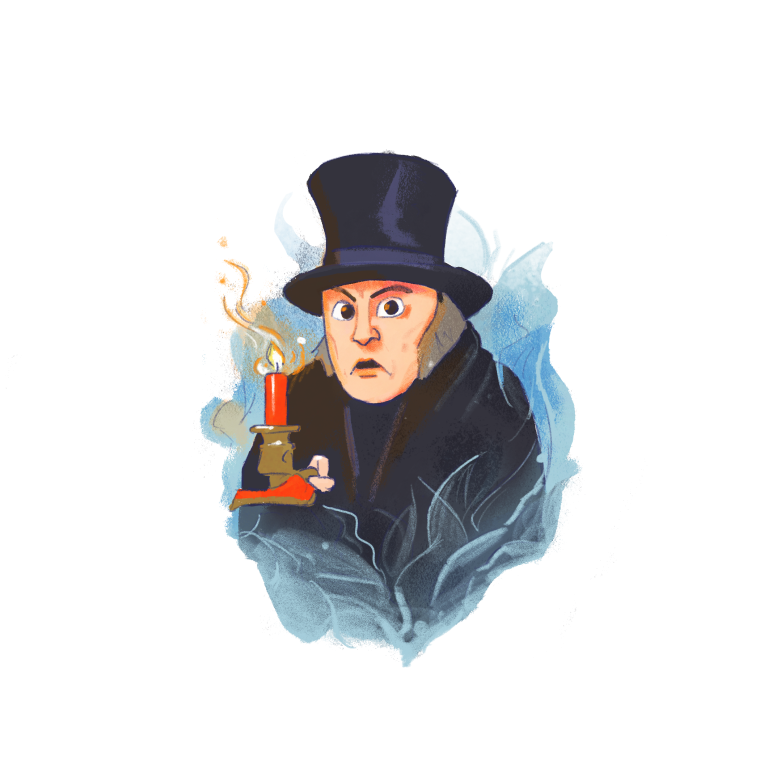
Leah Niebuhr | Staff Illustrator
“A Christmas Carol” is a story that has seemingly been adapted as many times as it’s been read. Yet “Ebenezer,” its latest movie adaptation, seems to misunderstand what made the classic so special to begin with.
“Ebenezer” follows the moral transformation of Ebenezer Scrooge (Johnny Depp) from a greedy misanthrope to a generous member of the community through a series of three hauntings by the spirits of Christmas.
One major issue in this film is that its portrayal of the poor and charity workers as criminals and con artists fundamentally undermines its central message. Scrooge’s refusal to give charity should feel unjustified and cruel. Yet, the film frames it more as a rational defense mechanism than a moral failure by showing that the poor people we’re supposed to sympathize with are thieves, murderers, and con artists in disguise; this shifts the film’s social criticism from the wealthy misers of society to the destitute. It also makes Scrooge’s eventual redemption feel more forced, and his selfishness justified rather than cruel.
Depp delivers a turn much in line with his other iconic roles, such as in the “Pirates of the Caribbean” franchise. If you enjoy his unique style of physical acting with his signature slumped gait and flapping hands, you will likely enjoy his depiction of Scrooge.
Nonetheless, throughout the film, I couldn’t shake the feeling that I was watching Johnny Depp in a costume, rather than Scrooge on screen.
In the end, “Ebenezer” works better as a star vehicle for Johnny Depp rather than an adaptation with something meaningful to say. The script’s overly cynical view of the poor hollows out its central moral message and made me leave the theater feeling that “Ebenezer” misses the point of its own redemption arc.
Stay in Touch!
Get the latest and top news from StudentLife delivered to your inbox