Scene
Review: The dog days are over, thanks to Florence + The Machine’s majestic new album “Everybody Scream”
Olivery Ni | Staff Illustrator
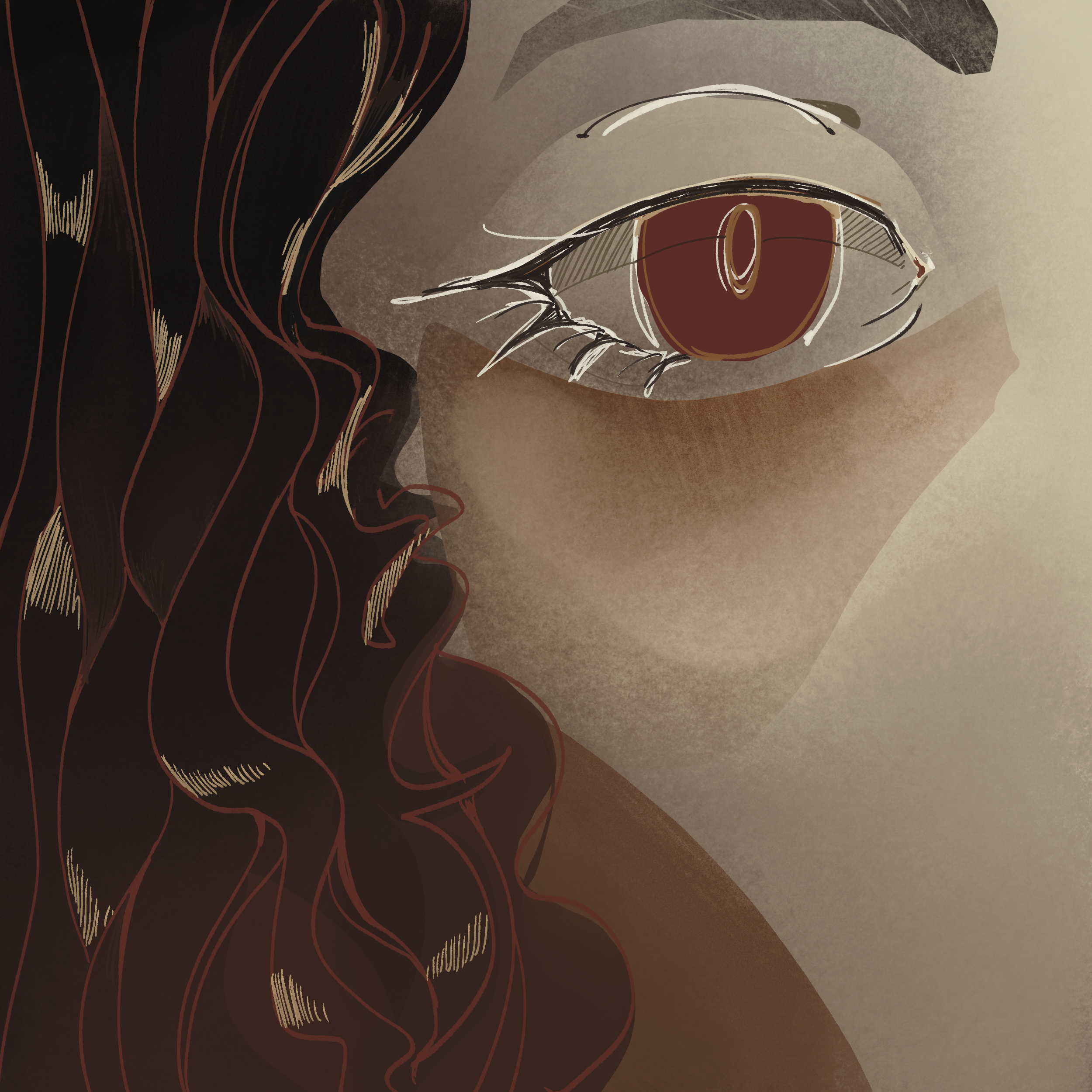
Florence + The Machine’s new album may be titled “Everybody Scream,” but vocalist Florence Welch does more than that, singing and chanting powerful melodies with her most personal lyrics yet — and, of course, she adds a few screams, too.
The band’s sixth album, “Everybody Scream,” is an echo of their theatrical sound from a decade ago. However, it contains a richer texture of instrumentals and clear lyrical evidence of the creative freedom that Welch has earned at this point in her career. Released on Halloween, the album does not shy away from themes of magic and horror, with songs titled “Witch Dance” and “Sympathy Magic,” and lyrics of haunting and prayer throughout the record.
Glistening but foreboding organ sounds start the album on the title track “Everybody Scream,” followed by haunting choral “ah”s. The song continues with driving bass and drums and consistent proof of Welch’s lyrical and vocal power. She commands listeners to jump, sing, and scream, and she puts forth a thesis for the album: “Extraordinary and normal at the same time.”
In the six-minute epic “One of the Greats,” Welch sings about her legacy and her role as a woman in the music industry, all the while sounding “extraordinary” over booming rock instrumentals. She sings, “It’s funny how men don’t find power very sexy / So this one’s for the ladies.” Power and gender roles are prominent themes throughout the record; the album cover features Welch “manspreading,” staring at the viewer with a look of confidence.
Florence + The Machine perfects layered vocals and harmonies, with Welch’s lead vocals combining with a chorus of her own voices behind her. Rising fan-favorite “Sympathy Magic” is a perfect example. In fact, a lyric from the song states, “Let the chorus console me.” And the chorus does: at the end of the song, the phrase “sympathy magic” is sung repeatedly with catharsis. Also, living up to the album title, there is a fun, quick scream at the end.
Next, the fifth track, “Perfume and Milk,” provides the first true ballad of the album. Its sadness and nostalgia are beautifully conveyed through Welch’s emotive vocals and a focus on acoustic guitar, a hallmark of sad pop music. She repeats, “The seasons change, the world turns,” and I can feel the sentiment right in my bones.
My personal favorite from “Everybody Scream” is “Buckle,” track number six. This song is a remarkably executed depressing indie-folk ballad. Fittingly, popular sad-song-creator Mitksi wrote the song with Welch and contributed lyrics to the title track as well. The National member Aaron Dessner produced this track and the rest of the album and has worked to create some of the saddest indie-pop songs of the century, “Buckle” now included. The subject matter of the song is fairly cliché, as Welch confronts a romantic interest who does not treat her well. Still, Welch makes it very personal and sells the emotion well. She sings, “I blocked your number, but you didn’t notice / Oh God, I thought I was too / Old for this.”
Now, this lyric may seem cringeworthy to you, and I don’t completely disagree. However, the honesty and self-awareness with which Welch sings it have earned my support. It may be jarring for fans to hear her being so down-to-earth and relatable with the specifics of her lyrics. But the grandiosity of her songs and merely the power in her voice sell every modern lyrical reference; she sings of reaching for a remote, wasting money on a therapist, scrolling on your phone in bed, and talking to your pets. Welch proves that she is, again, “extraordinary and normal at the same time.”
Track eight, “The Old Religion,” is another standout on the album, opening like a piano ballad and growing into an epic with a booming bass drum. It’s as catchy a melody as any Florence + The Machine song. The combination of drums, piano, strings, synth, horns, guitar, and whichever other instruments are hidden within the expansive sound creates an energy that cannot be ignored.
On “Music by Men,” the only explicit song on the album, Welch says, “Breaking my bones, getting four out of five / Listening to a song by The 1975 / I thought, ‘Fuck it, I might as well give music by men a try.’” Ignoring the random mention of British indie rock band The 1975, the lyrics convey many important ideas of Welch dealing with critical reception and her role in the music industry, while trying to find love in her personal life. The following song, “You Can Have It All,” seems to answer that both her personal and professional lives can positively coexist, but the song’s haunting sound hints towards sarcasm, revealing that this ideal may not be possible after all.
The final track, “And Love,” is a slow, disappointing conclusion to such an expansive and powerful album. Don’t get me wrong, it is by no means a bad song, but it does not carry the same sonic force that songs like “Everybody Scream” and “The Old Religion,” or even other slower songs like “Buckle,” contain. Welch ends the song, and, therefore, the album, with the repeated line “peace is coming.” Potentially, the slow and minimalistic nature of the closing track is meant to embody the meaning it conveys: love is an unexpected thing that is slow and peaceful, contrasting the sound of the rest of the album. And that, I can get behind.
“Everybody Scream” is a declaration of Florence + The Machine’s evolved ability to have down-to-earth lyrics accompanied by epic sounds. The album is a beautiful chapter in the growing discography of one of the most dynamic artists of our generation, and anyone with an appreciation for grand and powerful songs will love it upon first listen.
Stay in Touch!
Get the latest and top news from StudentLife delivered to your inbox