News
Spring 2025 Student Union Election Guide
(Alan Zhou | Student Life)
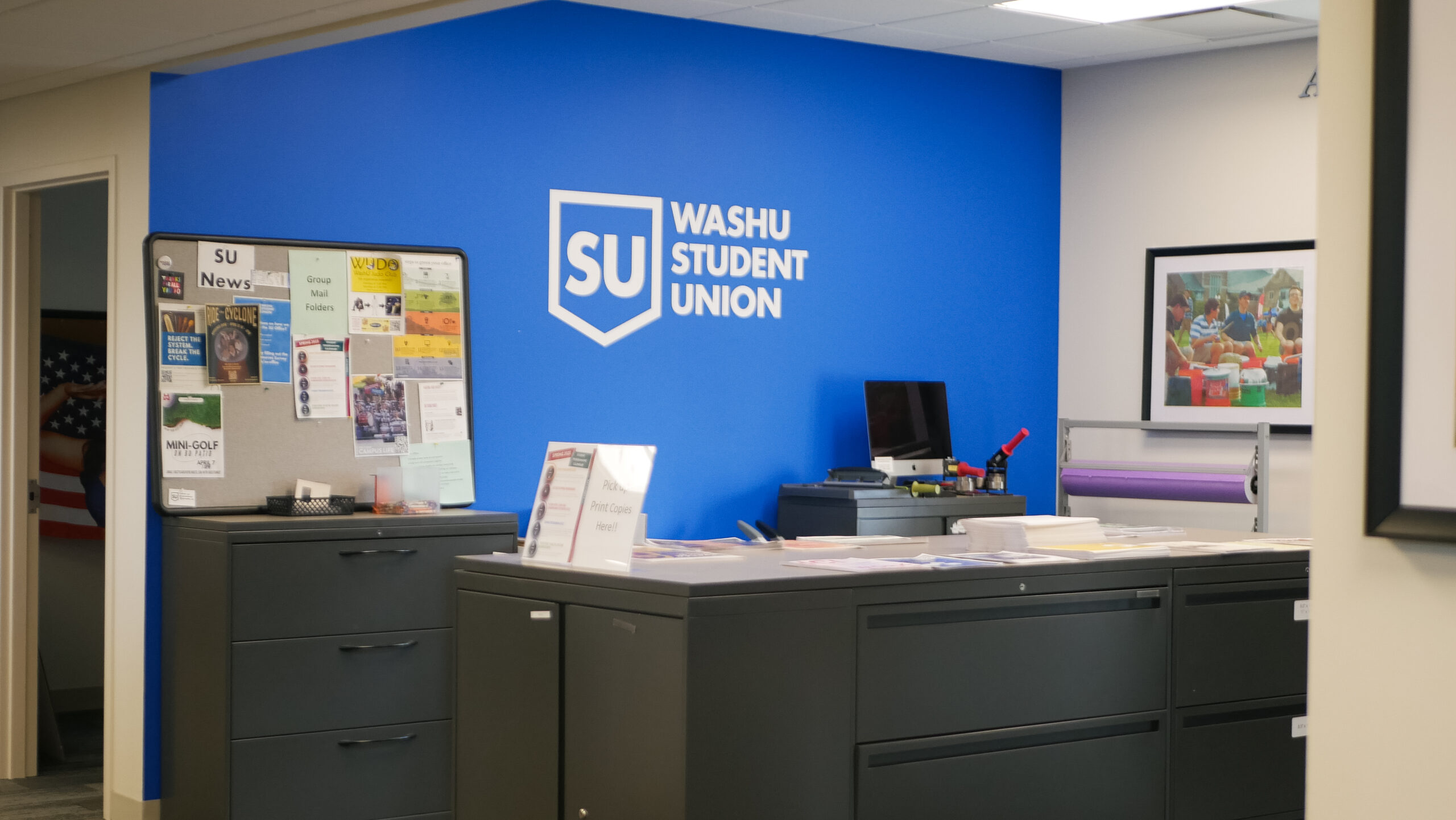
This semester’s Student Union (SU) election, featuring seats open in Senate, Treasury, and the Executive Branch, began this Tuesday at 9:00 pm CST and will end this Thursday at 9:00 pm CST.
This election, 16 candidates are running for 11 seats in Senate and 22 candidates are running for 11 seats in Treasury. Voters will also elect all 5 positions in the Executive Branch: President, Executive Vice President, Vice President of Engagement, Vice President of Finance, and Vice President of Programming.
While the races for Vice President of Engagement and Vice President of Finance are uncontested, there are 4 candidates running for Executive Vice President, 3 running for President, and 2 running for Vice President of Programming.
Student Life reached out to the 49 candidates running for this semester’s election to learn more about how they will add to SU – 31 responded.
Candidates for Student Union Treasury
Molly James – she/her – 2028
If you already know, what endorsements do you have and or what slates are you apart of?
No response
Why are you running for SU Treasury? (In 100 Words)
I am running for SU Treasury because I truly admire the passion and work that WashU students put into their organizations. I want to help these student groups thrive. I want to be the person that makes difficult things possible. I know I have the passion, attention to detail, and communication skills necessary to be a reliable Representative.
What is SU Treasury’s role at WashU? (In 100 Words)
By overseeing the annual budget, SU Treasury serves as the nexus between all student groups on campus. That means its role is to bring all of us together—not drive us apart. A Treasury Rep should not think about student groups differently or try to bolster some groups at the expense of others. Instead, Reps should be focused on making sure that every student organization gets the most support and resources possible.
What are your top 3 priorities (in bullet point form) if you were elected? (In 100 Words)
1 – Foster connections with student group leadership so that they feel comfortable reaching out for help
2 – Create a one-on-one system where student groups are matched with an SU Treasury Rep who will personally guide them through the funding process
3 – Advocate for more attention and assistance to be given to new student groups
Have you served on SU before? If so what was your role and what did you accomplish? (In 100 Words)
No response
What new perspectives do you hope to bring? (In 100 words)
This past year I have served as a treasurer for WashU Mock Trial. In this role, I have been able to experience first-hand the challenges that student group treasurers go through when navigating SU’s funding procedures. This experience will allow me to bring a fresh perspective to Treasury. By applying my leadership and financial management skills, I will work to make the funding process clearer and more accessible for all student organizations.
How do you plan to establish strong relationships and trust with constituents? (In 100 Words)
I will ensure student groups feel heard by responding promptly to concerns and proactively reaching out to organizations. Building trust starts with communication, so I will push a one-on-one system where student groups are matched with an SU Treasury Rep who can be their personal point of contact for all things funding, appealing, and spending.
How will you ensure equitable funding for student organizations on campus? (In 100 Words)
Equitable funding means that every student group receives the attention, assistance, and funding they need to be successful—regardless of size, history, or mission. Since student groups have different needs, SU Treasury Reps must work to ensure fair and tailored support. As a Rep, I will dedicate myself to understanding the individual needs of student organizations so that the ultimate funding and support SU provides is the most advantageous.
Romen Der Manuelian, He/Him, 2027
If you already know, what endorsements do you have and or what slates are you apart of?
Equity, Transparency, Consistency. Slate of incumbent treasurers including Ethan Sosland, Aryan Pradhan, Aram Ashrafzadeh, Keysha Brutus, Cora Johnson, and Olav Olsen
Why are you running for SU Treasury?
I’m running because there has to be a greater understanding of how Treasury operates. I want to be a part of making the WashU extracurricular experience enjoyable, and helping Treasury help the student body understand how we fund is imperative to that goal. Over the past year, my experience on treasury has taught me that the body is crucial to the pursuit of the extracurriculars we enjoy on campus, and therefore I want to dedicate the next year to delivering on crucial reforms to make treasury even more efficient, transparent, and consistent.
What is SU Treasury’s role at WashU?
It’s our job to fund student groups equitably, fairly, and fiscally responsibly. WashU is very unique in that it empowers students to elect representatives to decide how extracurricular activities get funded. In that respect, treasury is a great responsibility in which representatives have a duty to ensure that all clubs are funded not based on what they want, but what they need. We must fund events that are critical to the missions of each student group on campus to develop a vibrant campus where every student can be included in the college experience.
What are your top three priorities if you were elected?
- Do a better job of communicating how we as a body operate. We need to establish precedent in writing and transmit that information to students via public channels like our social media.
- Treasury should establish units that specialize in different types of events to improve efficiency, advocacy, and understanding.
- Examining the way treasury goes about enshrining precedent to include written majority and dissenting opinions, so that our rationale is more transparent and clearer to students looking to tailor appeals to the manner in which treasury decides.
Have you served on SU before? If so, what was your role and what did you accomplish?
I have served the past year on treasury and have contributed advocacy on behalf of student groups attempting to secure funding for mission-critical events. I’ve also worked to advocate for tapping into unused financial accounts where we can access more programming from funds that rarely get used thanks to one of our statutory provisions. Finally, I also took part in our group and category change recognition process, in which we approved many new student groups that bring new perspectives to campus.
What new perspectives do you hope to bring?
I hope to bring the perspective of someone deeply committed to intense deliberation over matters of precedent. Students need to know that treasury is remaining consistent across its funding decisions, and it’s vital that changes to our rationale are codified and can be explained in writing. My perspective on precedent will lead me to advocate for reforms that will close the informational gap, as students will be better equipped to understand how treasury will lean on a particular line item.
Brian Babisa, he/him, 2028
If you already know, what endorsements do you have and or what slates are you apart of? If this information changes, please feel free to reach out and let us know
As of filling this form out, I do not have any endorsements officially. However, I am currently waiting on a response from the Coalition of Affinity Groups to confirm my endorsement.
Why are you running for SU Treasury? (In 100 Words)
I am running for Student Union Treasury to ensure that individuals and organizations are properly represented and that their financial requests are assessed fairly. Student funding should be an inclusive and transparent process, where every voice is heard and every request is evaluated without bias. I believe in responsible financial management that prioritizes equity and efficiency, ensuring that resources are allocated in a way that benefits the entire student body. With my experience in money management and dedication to fairness, I will advocate for policies that promote financial accessibility and support for all students and organizations within our community.
What is SU Treasury’s role at WashU? (In 100 Words)
From my understanding, SU Treasury’s role at WashU is to overview the funding of the different organizations present on campus. Treasury ensures that student groups receive fair and appropriate funding while adhering to SU’s financial policies. It also evaluates appeals, carefully reviewing whether the reason for an appeal makes sense before making a decision. By overseeing these financial processes, SU Treasury helps maintain an equitable distribution of resources, supports student initiatives, and ensures that campus organizations have the necessary funds to operate effectively and contribute to student life.
What are your top 3 priorities (in bullet point form) if you were elected? (In 100 Words)
– If elected, my first priority would be to ensure a fair evaluation of appeals, making sure that every student organization receives an unbiased and thorough review of their funding requests.
– My second priority would be to establish and maintain open communication with student organizations, ensuring they fully understand the funding process and feel supported in their financial needs.
– Lastly, I would focus on representing the student body by ensuring that all students’ interests are kept in mind when allocating resources and promoting fairness in SU Treasury’s financial decisions.
Have you served on SU before? If so what was your role and what did you accomplish? (In 100 Words)
No.
What new perspectives do you hope to bring? (In 100 words)
With my background, I hope to bring the perspective and voices of the communities I am a part of with me while in Treasury. To diversify SU Treasury is to make it more reflective of the student body present on WashU’s campus. By ensuring that a wide range of student experiences are considered in financial decisions, I aim to promote fairness and inclusivity in resource allocation. I also hope to bring fresh ideas on improving communication between Treasury and student organizations, making the funding process more transparent and accessible to all groups, especially those becoming increasingly underrepresented
How do you plan to establish strong relationships and trust with constituents? (In 100 Words)
I plan to establish strong relationships and trust with constituents by prioritizing transparency, communication, and accessibility. I want student organizations to feel and know that their requests and interests are being assessed with full diligence and without bias. This means ensuring a clear, fair, and thorough funding process where every appeal is given careful consideration. Actively listening to students’ needs and advocating for equitable financial decisions will be central to my role. By engaging with different student groups and addressing their concerns, I aim to make SU Treasury a resource that truly serves and represents all students fairly.
How will you ensure equitable funding for student organizations on campus? (In 100 Words)
I will ensure equitable funding for student organizations by prioritizing fairness, transparency, and diligent evaluation in the allocation process. Every funding request will be assessed thoroughly and without bias, ensuring that all organizations, regardless of size or background, have equal access to financial resources. I will also work to improve communication between SU Treasury and student groups, so they feel represented during the funding process and confident that their needs are being fairly considered. By actively considering the diverse perspectives and interests of the student body, I will help create a more inclusive and representative funding system at WashU.
Ethan Sosland, He/Him, 2027
If you already know, what endorsements do you have and or what slates are you apart of?
I’m a part of the non-partisan ETC slate.
Why are you running for SU Treasury? (In 100 Words)
I decided to re-run for Treasury because I feel I’m in a unique position to be an effective representative. Through my studies of PoliSci, Finance, and Math, I have developed a skill set that allows me to effectively meet the duties of a Treasury Rep. Beyond academic experience, I have served on executive board for the WashU Venture Network: General Body (a CAT III), and have held minor roles within WUSIF (a CAT I). In addition, I regularly attend Chabad and other Jewish cultural events, which has given me a broad understanding of the various clubs and organizations that WashU offers.
What is SU Treasury’s role at WashU? (In 100 Words)
Treasury is an SU body that focuses on effectively allocating the student activities fee to groups across campus. In order to ensure that every semester that money is spent in the best interest of the student body, a new group is selected to fulfill this responsibility. With that idea in mind, my job as Treasury Rep at WashU would be to utilize my experience, technical ability, and open-minded approach to continue to work for the student body.
What are your top 3 priorities (in bullet point form) if you were elected? (In 100 Words)
1) Create effective graphics: although all of Treasury’s budgeting information is public, it can be difficult to consume for someone who’s not in SU. Graphics will help ensure that students understand what’s happening with their activities fee.
2 ) Build cohesiveness with the Senate: Currently there is a great divide between the Senate and Treasury. Continuing to work to patch this divide will be highly beneficial to both bodies.
3) Work directly with students: continue to provide office hours and other workshops to ensure that student clubs are working with the Treasury to get funded, not butting heads.
Have you served on SU before? If so what was your role and what did you accomplish? (In 100 Words)
I was appointed as a representative in February. In my one month of experience, I have joined the activities committee, where I have met with 10+ cubs to discuss category upgrades. Similarly, I have attended presentations by 15+ clubs, each of which were requesting $1000+ in funding appeals. These presentations have given me an understanding of the SU decision making process, and have allowed me to fully understand the struggles student groups endure. Finally, I have played roles in revising and helping pass the General Budget for 2026 fiscal year.
What new perspectives do you hope to bring? (In 100 words)
N/A
How do you plan to establish strong relationships and trust with constituents? (In 100 Words)
The best solution for this problem is a clear line of communication. Although all spending and budgeting information is made public to the broader student, it can still be inaccessible to view without guidance. Therefore, I will be working to expand access by working with our social teams to publish more graphics and other tools to assist in expanding student understanding.
How will you ensure equitable funding for student organizations on campus? (In 100 Words)
Equitable means funding a student group in a way that represents the ENTIRE student body. That includes funding initiatives for smaller communities which can be achieved by continuing to allocate based on fair, maintainable precedents. This seeks to reduce the negative consequences of over funding without taking from small and minority clubs that are crucial to our campus culture.
Aryan Pradhan, He/Him, c/o 2026
If you already know, what endorsements do you have and or what slates are you apart of?
I am part of the ETC slate. I currently have the College Dems endorsement, although there might be more.
Why are you running for SU Treasury? (In 100 Words)
I am running for Treasury because it allows me to connect with the student body and support events that matter to WashU students. Through Treasury, I can serve students from all backgrounds, fostering a more inclusive and dynamic campus while gaining a deeper appreciation for the diverse cultures, values, and traditions that shape our community. By working closely with student groups, I can understand their unique needs and ensure financial resources are allocated effectively. My goal is to make impactful, responsible decisions that empower student organizations to bring their ideas to life without financial barriers.
What is SU Treasury’s role at WashU? (In 100 Words)
Treasury facilitates all student-run events on campus and contributes to the culture we have at WashU. Through funding decisions, we decide what events happen and decide the vibe of students and groups. It is the Treasury’s job to facilitate a comforting environment for any and all students by funding a variety of events and making sure everyone is comfortable and happy at WashU.
What are your top 3 priorities (in bullet point form) if you were elected? (In 100 Words)
1. Emphasizing funding for affinity groups so they can more greatly explore their culture and connect with their backgrounds.
2. Fund events that facilitate a more relaxed culture on campus, allowing for new traditions to form and for students to have fun events to come to and relax after our already difficult classes.
3. Allow for greater transparency between the student body and Treasury, posting how we come to decisions, making guidelines more visible, and openly discussing rationales for certain decisions.
Have you served on SU before? If so what was your role and what did you accomplish? (In 100 Words)
I am the current Speaker of the Treasury. I have only served in this role for 1 month, but have already made many major changes to Treasury. For example, I have introduced Forms Appeals, which reduces the turnaround time for groups’ appeals from 10 days to just 2 days. I have been involved in discussions with affinity groups, helping to improve Treasury to better serve the student body. Finally, I am emphasizing fiscal responsibility in Budget Committee to prevent the SU financial crisis from affecting students again next year. Under my leadership, SU still has not run out of money!
What new perspectives do you hope to bring? (In 100 words)
I hope to bring a perspective that prioritizes efficiency, transparency, and student advocacy in Treasury. By streamlining processes like appeals and improving communication with student groups, I aim to make funding more accessible and predictable. My experience engaging with diverse student organizations has shown me the importance of equitable financial distribution, ensuring all groups—especially cultural and academic ones—receive the support they need. Additionally, I will emphasize fiscal responsibility to prevent future financial crises from impacting students. With a forward-thinking and student-focused approach, I will work to make Treasury more responsive, inclusive, and effective for the entire WashU community.
How do you plan to establish strong relationships and trust with constituents? (In 100 Words)
I plan to establish strong relationships and trust with constituents by prioritizing accessibility and proactive communication. I hope to continue my tradition of fast response and long office hour availability, Further, I would like to push a program where Treasury Representatives attend a variety of events put on by the student groups that we fund. I will work to provide clear updates on Treasury decisions to ensure students feel heard and informed. Additionally, I will actively seek feedback, collaborating with student leaders to address concerns and improve Treasury’s efficiency.
How will you ensure equitable funding for student organizations on campus? (In 100 Words)
Ensuring equitable funding for student organizations means recognizing and addressing disparities that may limit access to financial resources. I will advocate for a funding process that prioritizes transparency, fairness, and accessibility, ensuring that all groups—regardless of size, history, or connections—receive the support they need to thrive. By continuously assessing funding trends, I will identify and address potential biases that may prevent certain organizations, especially newer or underrepresented ones, from securing adequate funding. Additionally, I will work closely with student leaders to understand their unique needs and allocate resources in a way that fosters a more inclusive and vibrant campus.
Keysha Brutus she/her/hers 2027
If you already know, what endorsements do you have and or what slates are you apart of?
I am apart of the etc slate and I am working on my affinity group endorsement as well as CASA, ACAC, ASA, ABS, ALAS, ACAC, AMC, and College Democrats.
Why are you running for SU Treasury? (In 100 Words)
I was inducted into the treasury in late November, and so far, I’ve had a great experience. I’ve gained valuable insights into its operations, and I aim to share this knowledge to make it more accessible for all students and groups. My goal is to ensure that everyone understands the workings of SU, including the financial aspects and navigating the processes.
What is SU Treasury’s role at WashU? (In 100 Words)
Treasury’s role at WashU is to support student groups in obtaining what they need. I understand there are many guidelines, but these are meant to ensure that no one group receives more funding than another due to inconsistency. We are here for the student groups, not against them. We must eliminate the penny-pinching mentality that plagues SU, because as a member of these campus groups, I know that SU should work for us, not against us.
What are your top 3 priorities (in bullet point form) if you were elected? (In 100 Words)
Equity: Student groups cannot be confined to a single box or category, so I will prioritize a multifaceted approach to understanding each group type
Respect: Groups will be treated with the civility they deserve when being addressed by treasury
Education: Greater opportunities for groups to understand the ins & outs of financial decisions in SU
Have you served on SU before? If so what was your role and what did you accomplish? (In 100 Words)
I’ve been serving as a Treasury Representative since November. Currently, I am on the Budget Committee, which means I assist in drafting the proposed budgets for a designated team of campus groups. Through this role, I’ve earned the trust of student groups by understanding their true financial needs. I’ve had the honor of voting on appeals that allow student groups to host more events and draft budgets that consider the needs of the students within these groups students
What new perspectives do you hope to bring? (In 100 words)
I aim to bring a diverse perspective to treasury as a woman of color. Many group missions can be misinterpreted by treasury, often leading to questions such as, “Why do you need this?” I will ensure that everyone’s ideas are heard by encouraging presentations and meaningful discussions, amplifying voices during critical times. Campus groups cultivate a sense of community for everyone that needs to be emphasized in this fiscal year.
How do you plan to establish strong relationships and trust with constituents? (In 100 Words)
To establish a relationship with my constituents, trust must first be created. I aim to build trust with my constituents through transparency, accessibility, and proactive communication. I will meet regularly with student organizations to address their financial needs and provide guidance on navigating the system. Additionally, I will maintain an open-door policy for students to voice their questions or concerns and provide feedback for improvement. My goal is to ensure all student organizations feel heard, valued, and supported in securing essential resources.
How will you ensure equitable funding for student organizations on campus? (In 100 Words)
I will ensure equitable funding by offering workshops that help all student organizations effectively navigate the request process. Furthermore, I will advocate for bias checks in funding decisions to avoid favoritism and ensure fair resource distribution. Additionally, I will encourage data-driven decision-making by utilizing past funding trends and organizational impact metrics to tackle disparities and allocate funds appropriately. By ensuring transparency and fostering open communication, I will strive to create a system where all student organizations, particularly those that are underrepresented, have equal access to the resources necessary for their success.
Rory O’Shea (he/him/his) class of 2028
If you already know, what endorsements do you have and or what slates are you apart of?
Running with my co-candidate, Palladium Liang
Why are you running for SU Treasury? (In 100 Words)
I am running for Treasury to hone in on my desire to connect with and advocate for student groups and the student population as a whole. Every group deserves the funding needed to thrive, and I want to be the voice of consistency that allows such groups to enjoy a stress-free pursuit of their mission goals. Additionally, I want to support new organizations by guiding them through the funding process, ultimately allowing them to seamlessly integrate into and enrich our diverse community here at WashU. Perhaps most importantly, however, I will invest in WILD to engage all students in enjoyable ways.
What is SU Treasury’s role at WashU? (In 100 Words)
SU Treasury’s role is to manage and allocate funds for over 400 student groups here at WashU. Through these semesterly elections, SU Treasury empowers students to advocate for and maximize the impact of student groups. SU Treasury effectively ensures that all student organizations are have transparently straightforward access to the funding they need and are in compliance with university regulations. As a Treasury Representative, I am responsible for upholding this transparency and guaranteeing that all student organizations are given the opportunity to thrive.
What are your top 3 priorities (in bullet point form) if you were elected? (In 100 Words)
Increase funding for cultural groups in the budget and appeals process to celebrate, share, and expand WashU’s diverse community.
Ensure transparency in Treasury communication, especially in their budget and appeals process, to keep all students informed as they navigate the funding process.
Guarantee equitable funding in Treasury decision-making to ensure all student groups are given the opportunity to thrive and enrich our student body.
Have you served on SU before? If so what was your role and what did you accomplish? (In 100 Words)
Yes, I have served on SU before. Seated on the Budget Committee, engaging in Treasury meetings, and meeting with 25+ student groups to review their appeals, I was successful in acting as a liaison in connecting those organizations to SU and Treasury, and I was successful in guiding those groups to access the necessary funding for their programming goals. I believe my time on Treasury has taught me the complexity of financial policy and exposed me to the diverse culture of WashU’s student groups, ultimately informing me of how to best serve these groups in the future.
What new perspectives do you hope to bring? (In 100 words)
As a first-year with experience on Treasury, I know where Treasury thrives, where it can improve–as indicated by my campaign goals–and how to represent the interests of all WashU students. Furthermore, with my involvement in many student organizations here on campus, such as the WUSTL Pre-Med Society Executive Board and Phi Delta Epsilon, my relatability will allow me to ensure that Treasury exhibits transparent and consistent decision-making upon advocating for our diverse student body.
How do you plan to establish strong relationships and trust with constituents? (In 100 Words)
I plan to establish strong relationships and trust with constituents by communicating regular, explicit, and digestible updates on Treasury decision-making, such as appeals and established precedent. Furthermore, I will make such information more accessible to students through the Trello page. By achieving transparency, I will assure that Treasury Representatives are held accountable as they approach the funding process throughout the year.
How will you ensure equitable funding for student organizations on campus? (In 100 Words)
I will ensure that Treasury abides by precedent and exhibits consistency in allocating funding, especially in travel expenses. Furthermore, I will guarantee free and open-minded communication between Treasury Representatives and all students during the funding process, allowing for all perspectives to be heard and all insights to be considered.
Olav Olsen, he/him, 2026
If you already know, what endorsements do you have and or what slates are you apart of?
Vote ETC! Slate; WashU College Democrats; Asian American Association (AAA); Ashoka
Why are you running for SU Treasury? (In 100 Words)
I would like to continue my success on Treasury into next year. This semester, I have enjoyed working to help clubs and students in a meaningful way. I love being able to build a better landscape for us to explore. In particular, I enjoy being able to interact with and learn about the many great groups we have in a way that enables them to continue providing for their communities. Next year, I would like to use what I have learned this semester to continue making WashU the best place it can be.
What is SU Treasury’s role at WashU? (In 100 Words)
Most simply, Treasury’s role is to support any SU recognized group and provide them with what they need to succeed and carry out their missions. This idea manifests itself in many ways across different groups. Treasury is responsible for ensuring that our sports clubs and performance groups can compete across the nation, but it is equally responsible for giving affinity groups the resources they need to support their communities. Treasury has the delicate role of making sure that all these things can be carried out in an equitable way.
What are your top 3 priorities (in bullet point form) if you were elected? (In 100 Words)
1) Fund to ensure a quick turnaround in spending, increasing the amount of money that is actually being utilized. I will accomplish this by directly communicating with clubs to understand their events and the associated needs.
2) Reach out to student groups to understand their needs and expectations and explain Treasury procedures and decision making processes.
3) Advocate for spending that highlights a diversity of cultures and opportunities for WashU students. We have many great clubs that serve many different interests and populations. Equitable funding means making sure that Treasury is actively working to bring these opportunities to WashU.
Have you served on SU before? If so what was your role and what did you accomplish? (In 100 Words)
Yes, I am serving on Treasury and Budget Committee this semester. So far on Treasury, I have played a key role in some of the appeals and brought to the attention of the body a funding rule that had been overlooked for a while and is now well-known to all of Treasury. On Budget Committee, I have had a much more direct role working on Recreational Clubs’ budgets for the next fiscal year. I have coordinated with various student groups and the rest of Budget Committee to make smart funding decisions for next year.
What new perspectives do you hope to bring? (In 100 words)
No response
How do you plan to establish strong relationships and trust with constituents? (In 100 Words)
The best way to build strong relationships between Treasury and student groups is by increased communication. The onus is on individual reps and Treasury as a whole to take the time to understand the groups that we are working with. Additionally, Treasury needs to take the time to reach out to student groups they are interacting with to ensure they have a good understanding of how decisions are made and internal operations are carried out. I will personally reach out to groups and encourage fellow Treasury reps to do the same to establish strong working relationships.
How will you ensure equitable funding for student organizations on campus? (In 100 Words)
I will work with other Treasury reps to establish a strong precedent in the beginning of the next fiscal year that is supportive to all groups. This will make it easy to continue making funding equitable for the entirety of the year. Additionally, I will continue to advocate for funding groups in a way that makes the diversity of communities and opportunities that exist here at WashU more accessible to all students. By working with other reps to enact these principles, it will be easy to ensure equitable funding.
Yashika Raja, she/her, 2028
If you already know, what endorsements do you have and or what slates are you apart of? If this information changes, please feel free to reach out and let us know
I am running independent of any slates.
Why are you running for SU Treasury? (In 100 Words)
As a first year, I am fortunate to have a strong community of student groups welcoming me to WashU. Our power as students grows with the strength of our student interests, which are heavily affected by fund allocation. I heard about SU’s budget struggles, saw first-hand how this impacted my new family, and now I want to give back. We host over 450 student organizations representing students’ diverse mindsets, passions, and futures. As a member of SU Treasury, I will accept the responsibility of ensuring our organizations have the funding, resources, and support to continue developing a welcoming student community.
What is SU Treasury’s role at WashU? (In 100 Words)
SU Treasury allocates funds to student groups, determines appropriate usage and scope, and handles financial appeals for new and existing organizations. The treasury also supports our student organizations with storage, access to common items, promotional space at the activities fairs, and assistance with internal governance. This is a long-winded way of saying that SU Treasury is responsible for supporting student organizations in an organized, equitable manner that maintains organizations’ independence.
What are your top 3 priorities (in bullet point form) if you were elected? (In 100 Words)
– My top priority is streamlining resource management. Thorough documentation and management of common items and supplies will avoid repurchasing, a large problem and financial headache in the past.
– My next priority is ensuring that all student organizations receive the appropriate resources to advertise, welcome new members, successfully host events, and meet organizational goals. To accomplish this, I will maintain constant and thorough communication with organizations and SU leaders.
– My next priority is steering SU on a financially secure path, avoiding the recession and budgetary problems that defined this past year.
Have you served on SU before? If so what was your role and what did you accomplish? (In 100 Words)
I have not served before, but my fresh perspective will be a great strength to SU and the WashU community.
What new perspectives do you hope to bring? (In 100 words)
I am a pre-med student studying in three of our four schools. I have an extensive high school service record, where I led my district’s administration-student communication conduit and represented student interests and organizations. Currently, I serve the St. Louis community as a facilitator for state senator Brian Williams’s Youth Advisory Board, where I encourage student action on issues affecting our local community. As a child of immigrants, I am personally connected to St. Louis’s history of supporting diverse communities. I have an outside perspective on WashU’s “In St. Louis, For St. Louis” mission, and I serve by that code.
How do you plan to establish strong relationships and trust with constituents? (In 100 Words)
I plan to actively reach out to student communication groups and be transparent with SU’s actions and goals. Likewise, I will establish a presence as a communication channel to SU so that students and organizations can have their needs and concerns directly addressed. I will frequently be available in common spaces to discuss matters with constituents and make available resources detailing my service and actions as a treasury representative.
How will you ensure equitable funding for student organizations on campus? (In 100 Words)
I will analyze past spending patterns and work with student organizations to form accurate funding projections while also ensuring allocation is proportional to amounts given to other student groups. I will continue to uphold SU’s specific funding criteria, ensuring fund usage is specific and adheres to determined guidelines.
Palladium Liang, he/him, class of 2028
If you already know, what endorsements do you have and or what slates are you apart of?
I am running with my co-candidate, Rory
Why are you running for SU Treasury? (In 100 Words)
I want to better serve the student body as a whole by advocating for and building strong connections with student groups. I believe that every student group deserves funding for their critical programming events. Additionally, I want to ensure that they can access funds in a consistent and stress-free way. Importantly though, I want to fund more for WILD so we can bring in higher caliber artists and increase the amount of student groups that perform. This way, I can foster a better sense of community on campus.
What is SU Treasury’s role at WashU? (In 100 Words)
Treasury’s main objective is to make sure the 4.5 million dollars that comes from the tuition of all undergraduate students gets equitably distributed back to everyone. This should be done with clear, open actions and students should know about the inner workings of Treasury because Treasury gets its money from everyone’s student activities fee. Additionally, the funds should be allocated in a way that maximizes impact on WashU students by supporting student organizations that involve students in meaningful ways.
What are your top 3 priorities (in bullet point form) if you were elected? (In 100 Words)
1. Transparency: Pursue open forms of communication with all students, which ensures students know the precedent treasury establishes and holds us accountable for them.
2. Increase funding for cultural groups that are often misunderstood in the budgets and appeals process, allowing for WashU’s diverse community to celebrate and share their rich traditions.
3. Support student groups through equitable funding to maximize the impact WashU has on its undergrads and the Saint Louis community as a whole.
Have you served on SU before? If so what was your role and what did you accomplish? (In 100 Words)
I currently serve on Treasury and I’ve been able to help a lot with budgets related to travel expenses. Currently, groups are allocated nearly 500k for travel-related expenses and during a lot of sessions, groups either tend to be underfunded because travel-related expenses are complex or be overfunded by a lot, which takes away from other critical programming from other groups. On Treasury, I’ve been able to equitably, and try never to underfund fund groups for travel-related expenses. This allowed student groups to receive fair support for traveling while having resources for other group programming.
What new perspectives do you hope to bring? (In 100 words)
Being from a Saint Louis suburb with little diversity, I know the importance of funding more for cultural clubs of students who are often misrepresented. This way, cultural groups can celebrate and share their unique culture with all WashU students, creating a stronger WashU community. Also, I understand the critical link between WashU and its community because I grew up surrounded by student group programming from WashU. I remember going to the Safe Trick or Treat that Campus Y holds annually! I will bring the idea of connection with all students but also the Saint Louis community as a whole.
How do you plan to establish strong relationships and trust with constituents? (In 100 Words)
Currently, students can watch live Treasury sessions on Instagram and look at all the funding we give to student groups on our Trello but this can be improved on. I want to make sure clear updates on the state of Treasury are posted, including appeals and funding rationale in order for students to hold us accountable for all of our actions. We will make sure charts with clear, easy to digest data are available for all students to see.
How will you ensure equitable funding for student organizations on campus? (In 100 Words)
I will make sure any budgets related to traveling are funded in an equitable way with specific precedent: For example, hotels must be close to the site, airfare (reasonable times and airlines). Additionally, I will make sure Treasury will abide to other established precedents. This precedent will be made available for all students to see by making sure there is open communication between students and Treasury Representatives throughout the year. The accountability from the communication between all students and Treasury is critical to equitable funding.
Kimberly Kimani, she/her, 2028
If you already know, what endorsements do you have and or what slates are you apart of?
ALAS, ABS, & AMC
Why are you running for SU Treasury? (In 100 Words)
I am running for treasury to ensure that WashU student organizations have fair and clear access to the funding they need to make their organizations flourish. I will advocate for funding to be distributed by need and impact, and ensure that every student group receives the funding and support they deserve. To promote equity across our school and promote transparency in decisions made pertaining to funding. As a Treasury Representative, I will be sensitive to cultural differences and norms that aren’t currently represented.
What is SU Treasury’s role at WashU? (In 100 Words)
Treasury is responsible for the distribution of the annual funds to support student organizations and other initiatives. Treasury is supposed to ensure equitable funding across our 400+ organizations. They work with the student organizations to review funding appeals and requests and ensure that funds are allocated based on the needs of the student body.
What are your top 3 priorities (in bullet point form) if you were elected? (In 100 Words)
– One of my top three priorities would be to make sure that students have transparent access to how Student Union funds are being both spent and distributed
– I would also prioritize advocating for more funding amongst smaller, underrepresented groups on campus
– Financial education would be my third top priority if I was elected. I would work to create workshops and webinars, as well as providing resources that teach financial literacy skills to students, as a University-wide initiative
Have you served on SU before? If so what was your role and what did you accomplish? (In 100 Words)
N/A
What new perspectives do you hope to bring? (In 100 words)
I hope to bring the perspective of someone who prioritizes equity, inclusivity, and collaboration. I aim to actively listen to groups, especially underrepresented groups because the communication between Treasury and student groups helps bridge gaps and attack any needs that are not met.
How do you plan to establish strong relationships and trust with constituents? (In 100 Words)
I would improve communication by offering workshops on budget requests and by establishing a feedback form, whereby student orgs/groups can voice their concerns and suggest improvements, making sure their needs have the platform to be heard and addressed and to make sure that as SU Treasury, we are willing to adapt.
How will you ensure equitable funding for student organizations on campus? (In 100 Words)
I will ensure equitable funding by advocating for a more transparent and inclusive budgeting process. I will engage in conversation with student groups to understand their group and its mission and purpose here on campus and will make sure that funding decisions are based on their impact and need to make their event or any programming flourish.
Cora Johnson, she/her, class of 2027
If you already know, what endorsements do you have and or what slates are you apart of?
I am currently part of the ETC slate, and I also have an endorsement from WashU Ashoka
Why are you running for SU Treasury? (In 100 Words)
I am running for SU Treasury because I want to be a voice for underrepresented groups and give back to the WashU community that has supported me. While I have only served on Treasury for a semester, I think that I can have a big impact.
What is SU Treasury’s role at WashU? (In 100 Words)
SU Treasury’s role at WashU is to allocate funding among all of the student groups equitably. This means ensuring that SU Treasurers are present, communicating, and doing their part to understand the needs of student groups and give them the funding that they need to serve all of the students of WashU.
What are your top 3 priorities (in bullet point form) if you were elected? (In 100 Words)
Efficiency both inside and outside of meetings to ensure effective communication – Transparency in treasury meetings and decision rationale – Consistently fund student groups that support underrepresented and First Gen, Low-Income students
Have you served on SU before? If so what was your role and what did you accomplish? (In 100 Words)
Yes, I served on SU in the Spring 2025 semester. As a new treasurer, I have been focused on listening to past decision rationale and learning how to read the club budgets and reports. I have also been working to ask clarifying questions to both the groups and current treasurers to learn how to effectively allocate.
What new perspectives do you hope to bring? (In 100 words)
I hope to bring the perspectives of a low income student from a rural farming background, which is a very rare perspective here at WashU. I have experience from home with School Board funding, club funding, and working with budget constraints. I hope to bring my experiences from home to SU Treasury.
How do you plan to establish strong relationships and trust with constituents? (In 100 Words)
I plan to establish strong relationships with constituents through the use of active and open communication. I want to facilitate discussion between SU Treasurers and members of student groups both inside and outside of SU meetings. This can be done by requiring a Treasurer to attend student various group meetings, which will help the Treasurers to understand the group’s needs more accurately. I also believe that open office hours for the groups could be very beneficial.
How will you ensure equitable funding for student organizations on campus? (In 100 Words)
To me, equitable funding means assessing the needs of a student group and funding according to those needs. As a Treasury, we need to be fair in our allocation and recognize that different groups will need different levels of funding to function. To ensure this happens, I want to be thorough in my questions to both groups and treasury and look for ways to optimize funding.
Candidates for Student Union Senate
Ella McCauley, She/Her, class of 2028
If you already know, what endorsements do you have and or what slates are you apart of?
I’m now endorsed by ALAS, AMC, and ABS
What is SU Senate’s role at WashU? (In 100 words)
Senate’s role at Washu is to advocate for student needs and act as a vital bridge between students and university leadership. The best way to do this is to gather student feedback through surveys and open forums, ensuring all voices are heard. Projects should be designed based on direct student feedback. These insights and solutions can then be presented to university leadership to help foster a deeper understanding of the challenges students face, ultimately working to create a more responsive and supportive campus environment.
Why are you running for SU Senate? (in 100 words)
I’m running for Senate to build on my current work by strengthening the connections between student organizations and senators. My goal is to create more collaboration and communication, ensuring that the voices of diverse students are amplified. I will work to prioritize their concerns, ensuring their struggles are at the forefront of our conversations and initiatives. By fostering an inclusive environment and driving actionable change, I aim to ensure all students feel heard, supported, and represented in the decisions that affect our campus community.
What are your top 3 priorities (in bullet point form) if you were elected?
– Increase transparency by keeping our website updated with project trackers
– Advocate for diverse student groups through a space equity project
– Enhance engagement with student organizations by actively seeking their perspectives and integrating their insights into our projects
Have you served on SU before? If so what was your role and what did you accomplish? (in 100 words)
I’ve served as senator in SU and as the Internal Communications Chair for Senate. During the fall semester, I helped with a project increasing access to period products across campus. During the spring semester, I have worked on starting a space equity project. As the Internal Communications Chair, I take notes at every meeting, staying engaged with all senate projects.
What new perspectives do you hope to bring? (In 100 words)
As a Taylor Stars student and biracial Asian American, I understand the unique challenges that FGLI and students of color face at WashU. I aim to bring this perspective to Senate to ensure that the struggles of minorities are prioritized in our work. By centering these issues in Senate projects, I hope to advocate for greater resources, support, and visibility for these students, while fostering an inclusive environment. My personal experience with these challenges fuels my commitment to creating meaningful change and ensuring every student has the opportunity to succeed.
How do you plan to establish strong relationships and trust with constituents? (in 100 words)
I plan to establish strong relationships and trust with constituents by actively reaching out to student groups and ensuring their voices are heard. By meeting with student groups, I’ll create opportunities for students to engage directly with Senate. Consistent communication and transparency will be key to building trust and ensuring students know that their concerns are valued and prioritized. My goal is to foster an open, collaborative relationship where every student feels supported and involved.
How do you hope to facilitate positive relations between Senate and University leadership through your work in SU? (in 100 words)
I hope to facilitate positive relations between Senate and university leadership by maintaining consistent communication throughout the process of writing reports and resolutions. By keeping university leadership updated on Senate projects, we can ensure that the work we do aligns with their priorities, allowing for greater collaboration and mutual support. Regular feedback will foster understanding, ensuring that both Senate and university leadership are working together toward shared goals.
Spencer Snipe, He/Him, class of 2027
If you already know, what endorsements do you have and or what slates are you apart of?
The Association of Black Students, Asian Multicultural Council, Black Men’s Coalition
What is SU Senate’s role at WashU? (In 100 words)
Senate’s roots lie in advocacy as it has served as the bridge between students and the University since its creation. The senate, consisting of four committees (DEI, Campus & Residential Experience, Health & Wellness, and Academic Affairs) creates the platform for elected leaders to take the concerns/suggestions of their constituents, the student body, to the chamber as a whole in order to make change through standing committees and long-term projects. SU Senators are tasked with upholding transparency with their constituents, maintaining projects, and utilizing impartial discernment to advocate for what is best for all student organizations.
Why are you running for SU Senate? (in 100 words)
When I committed to WashU for football I had two goals. 1. Enhance the student experience through programming and 2. Enhance the student experience through advocacy. Through my first two years of college I have thoroughly accomplished my first goal. I recently had the honor of serving as Co-President of ABS which has allowed me to host events such as the 3rd Annual Black Convocation and the 38th Annual MLK Commemoration Ceremony alongside current SU President Hussein Amuri. Through my next two years I hope to accomplish my second goal of student advocacy through the Senate.
What are your top 3 priorities (in bullet point form) if you were elected?
Representation – Create a SU student organization advisory board.
Rationality – Create a minimum student group GBM/Event engagement threshold for SU Leadership to be more engaged in the student group experience.
Resolve – Enhance student leadership crisis management training.
Have you served on SU before? If so what was your role and what did you accomplish? (in 100 words)
No response
What new perspectives do you hope to bring? (In 100 words)
True student representation requires senators who have real experience programming within student organization executive boards. As the current co-president of one of the largest affinity organizations on campus (ABS), a student-athlete (Football), and a member of both a Divine Nine and pre-professional fraternity, I have been a part of a diverse set of student organizations. Through my involvement in so many different types of student groups within Student Union, I have a personal understanding of the needs of different groups and how group’s individual missions require them to program in unique ways.
How do you plan to establish strong relationships and trust with constituents? (in 100 words)
As a Senator I will truly be a bridge between student groups and the institution. I will make sure to regularly attend the General Body Meetings of student organizations whose missions and long term goals of advocacy fit into the committees that I am involved with. I will establish lines of communication with the executive boards of the organizations under my purview and make sure that their concerns are voiced within the senate chamber.
How do you hope to facilitate positive relations between Senate and University leadership through your work in SU? (in 100 words)
In order to maintain positive relationships between Senate and University Leadership, I will maintain a strategic partnership through progressive collaboration and dissent through communication. I believe that University leadership responds to student dissent when there is a collaborative sentiment combined with proper channels of communication. I will also work heavily on obtainable change in my term while laying the foundation for long term projects at the University.
Casey Preis, She/her, 2028
If you already know, what endorsements do you have and or what slates are you apart of?
I am endorsed by College Democrats and Jewish Student Association. I am also on a slate with Charlie Weingarten and Ethan Skolnick.
What is SU Senate’s role at WashU? (In 100 words)
The Senate’s role is to protect and provide the students with the right to a successful education and livelihood here at WashU. This means not only asking what the students need and adhering to their interests when expressed but also proactively serving the students when they are not expressing specific concerns. The Senate should always be thinking of and serving the students, specifically caring and giving attention to the most vulnerable and unheard groups at WashU.
Why are you running for SU Senate? (in 100 words)
As a low-income student who has lived in Saint Louis for my whole life, I am invested in our community and the impact WashU has on it. However, within my first year here, I have discovered and felt the impact of the unequal distribution of resources to foster success between students. Those with more resources are given more opportunities and cover the voices of the most vulnerable groups, such as low-income students or minority groups. We cannot have a positive impact on our Saint Louis community when our students are being ignored and neglected.
What are your top 3 priorities (in bullet point form) if you were elected?
Ensure accessible access to all campus buildings and spaces Allocate lower cost options for needed course and living materials Provide more healthy, unexpired, food options at dining halls and other spaces across campus
Have you served on SU before? If so what was your role and what did you accomplish? (in 100 words)
While I have not served on SU before, I have experience from working in a local, all women law firm. Additionally, I have leadership and representative experience from being my residential college’s treasurer.
What new perspectives do you hope to bring? (In 100 words)
I will bring a perspective focused on the betterment of resources for not only WashU students but the wider Saint Louis community. I am dedicated to WashU’s mission of contributing “positively to our home community of St. Louis, and to effect meaningful, constructive change in our world”. Tto do this, we must focus on our students first.
How do you plan to establish strong relationships and trust with constituents? (in 100 words)
I am dedicated to adhering to WashU’s claimed mission of acting “in service of truth through the formation of leaders, the discovery of knowledge, and the treatment of patients for the betterment of our region, our nation and our world”. Trust can only be established through openness and accountability, which is currently lacking at WashU. Students are not made aware of changes or available resources that can help foster their success, leaving many to not utilize what we have available or to know what is not available, meaning they cannot advocate for their needs or change they wish to see.
How do you hope to facilitate positive relations between Senate and University leadership through your work in SU? (in 100 words)
I will foster communication and collaboration with our University leadership members through planning meetings and open forums with them. I will advocate for decision-making driven by student input and a respectful partnership.
Anita Buchanan, she/her/hers, class of 2027
If you already know, what endorsements do you have and or what slates are you apart of?
Endorsed by club swim as of current.
What is SU Senate’s role at WashU? (In 100 words)
Each Senator is responsible for communicating and representing the student body through their own unique perspective. As a collective, the Senate’s role is to reach a compromise on campus issues, advocate for realistic and progressive policy that prioritizes or improves the individual student in their everyday, and be practical with demands from WashU administration.
Why are you running for SU Senate? (in 100 words)
I feel that dialogue with a goal of compromise has been lacking in SU—this is what inspired me to run. As someone who believes that dialogue is the missing connective tissue in an unhealthy and polarized world, I want to assist in efforts towards a more balanced SU, where we aim for compromise rather than pushing an exclusive agenda. Intergroup relations on campus are tense more than ever and adding more gas to the flame is the last thing we need. I want to be a fluid representative body that works closely to connect issues to realistic solutions.
What are your top 3 priorities (in bullet point form) if you were elected?
1. Food. Work towards switching back to Bon Appétit as a food servicing company, either after the 2026 agreement expires or prior.
2. Jonathon Barnes’ and Phillip Dybvig’s termination. Might not be realistic, but I want to try my hardest to fight for the safety of the students. 3.
Improvement of relations between STL and WashU, and WashU admin and SU. Be transparent. Communicate. Be accountable and reliable. Admit mistakes. Advocate.
Have you served on SU before? If so what was your role and what did you accomplish? (in 100 words)
No.
What new perspectives do you hope to bring? (In 100 words)
I do not necessarily think any of my campaign goals are revolutionary. I do, however, believe I bring in a unique perspective considering I am a transfer student, I have lived in eight different places throughout my life, and I have always been passionate about helping others in any way that I can. I hope to bring realism, transparency, and authenticity to the Student Union.
How do you plan to establish strong relationships and trust with constituents? (in 100 words)
I can build up trust over time by setting aside two hours each week to sit in the DUC for people to come speak to me about systematic changes that would benefit them. In these conversations, I would also be transparent about updates on campaign goals. Hopefully, through such, I can develop a foundation of honesty and reliability.
How do you hope to facilitate positive relations between Senate and University leadership through your work in SU? (in 100 words)
By using common sense and proposing realistic solutions for pressing issues.
Charlie Weingarten, she/her, 2026
If you already know, what endorsements do you have and or what slates are you apart of?
I am being endorsed by College Democrats and the Jewish Student Association. I am running a slate with Ethan Skolnick and Casey Preis called Students with a Better SU.
What is SU Senate’s role at WashU? (In 100 words)
There are two major roles that SU Senate at WashU fulfills. The first is that of policy. Is it the job of a Senator to present data-driven, thoughtful proposals that seek to improve the lives of every single undergraduate student on this campus. The second is advocacy. SU Senate has long been a driving force for change both on our campus and in the surrounding St. Louis area. It is a Senator’s obligation to listen to their community, and work their hardest to give voice to and serve in favor of all WashU students.
Why are you running for SU Senate? (in 100 words)
I am running for SU Senate because I want to be the change I have longed to see. For three years now I have worked as a representative of the WashU Jewish community, and in that time I have interacted with Senate on a myriad of issues. I have consistently felt unfairly represented by the actions of the body, and know we could be doing so much more to advocate for the needs of a wide range of students. I wish to unite our SU and our students after a period of such turmoil through data-driven research, teamwork, and diligence.
What are your top 3 priorities (in bullet point form) if you were elected?
Improving mental health services on campus
Working with affinity groups in order to rebuild community relationships and advocate fairly for underrepresented students
Refining discrimination policy to ensure the safety of all students on campus
Have you served on SU before? If so what was your role and what did you accomplish? (in 100 words)
I have not
What new perspectives do you hope to bring? (In 100 words)
There are a couple of perspectives that I will bring to this role. First, I have worked in a California Assemblymember’s Office, which taught me how to create thoroughly researched and polished pieces of policy, and presented me with an understanding of how our Senate impacts the world beyond WashU. Second, my work in Jewish advocacy has informed me on how to work with others and stay organized and thoughtful under pressure. Third, my attendance of Senate meetings this semester has educated me already on Senate’s operations and helped me to form connections with current Senators.
How do you plan to establish strong relationships and trust with constituents? (in 100 words)
I have long been dedicated to building strong working relationships with those in my community. As someone who has worked to represent such a diverse population of students, I have found the best approach to establishing trust is to get to know people on a personal level, and the best way to do that is to make myself available. I have worked hard to know the communities I represent through things such as coffee chats, dinners, and regularly scheduled meetings to hear community feedback, and this is something that I will absolutely bring to my work in Senate if elected.
How do you hope to facilitate positive relations between Senate and University leadership through your work in SU? (in 100 words)
In my time as an advocate for the Jewish community, I have worked extensively to get to know members of University Leadership on a personal and professional level. I am proud of the positive established relationships that would carry over into my role as a Senator with individuals such as Rob Wild and Dr. G, and I will continue to engage in respectful, constructive communication with University leadership. It is my belief that Senate and University Leadership must work together in order to best serve WashU, as our partnership is crucial to having Senate’s proposals and reports come to life.
Ethan Skolnick, he/him, class of 2027
If you already know, what endorsements do you have and or what slates are you apart of? If this information changes, please feel free to reach out and let us know (in 100 words)
I have been endorsed by College Democrats and Russian Club. I am now part of a co-campaigning group called “Students for a Better Senate” along with Casey Preis and Charlie Weingarten, and we would like this to be noted in the Voter Guide. Additionally, the three of us have all been endorsed by the Jewish Student Association.
What is SU Senate’s role at WashU? (In 100 words)
SU Senate’s role at WashU is to proactively advocate to address problems on campus. Senate is most effective when it looks forward in addition to simply reacting. By doing so, Senate can work constructively with administrators and address items that stretch beyond the immediate concerns of the student body. Such concerns remain important, and by working proactively, Senate can be as informed and productive as possible. The administrator component is important, as Senate is a key conduit between students and administration. When Senate has a strong relationship with administration, it can solve problems more effectively.
Why are you running for SU Senate? (in 100 words)
I am running for Senate because I want to correct issues on campus and represent those in need. WashU is having problems with areas like food, accommodations, and housing that should not be problems. I have experience in these areas, some personal and some from serving as JKLLB President, plus concrete solutions. I also want to help foster community connections, as I appreciate how inclusivity makes WashU special. I have formed meaningful connections within my affinity groups, and attending programs hosted by others has been rewarding. I hope to help groups share these experiences with as many students as possible.
What are your top 3 priorities (in bullet point form) if you were elected?
• My first top priority is to address the problems with dining services at WashU. The prices are often too high, and the food quality is inadequate. In Senate, I will facilitate a switch to unlimited meal swipes for campus residents. This will address the problems with pricing and is included at many of WashU’s peer institutions. I will also work to bring more chains to campus. This will diversify the dining options available and lead to more locations being open in the evenings on the Danforth Campus. I also hope to start an on-campus farmer’s market that would occur periodically. This would make fresh, healthy food much more accessible and represent a way of giving back to the community.
• My second top priority is to strengthen Disability Resources (DR). While I am very grateful for the dedication of our DR staff, DR is experiencing problems that should not be occurring. These include the denial of needed accommodations and issues with exam scheduling. As someone who uses DR, I can speak to these firsthand. As a Senator, I would meet constructively with DR leaders to identify why these needs aren’t being met and what resources they need. I would then work to secure these resources for DR. I would also work to form a student advisory committee for the agency. This would allow students to offer feedback to agency leaders and improve DR processes. And finally, once the new academic buildings open on the Danforth Campus, a move there from the South 40 would be optimal. The current location is frequently inconvenient, and testing often occurs in Ursa’s Fireside due to the small amount of testing space.
• My third top priority is to maximize the impact of affinity groups on campus. I am half-Jewish and half-Catholic, and I have formed meaningful connections within these communities at WashU in ways that I never could at home. My friends who are involved with different affinity groups feel the same way. Attending events led by different groups has also been meaningful and allowed me to better understand different perspectives. As a Senator, I will work to maximize the resources available to identity groups and help them reach new members outside of the club fairs. I will also help create new inter-group initiatives. Interfaith Week was a rewarding opportunity to understand other perspectives, and our campus community would benefit from having more chances to learn in this way.
Have you served on SU before? If so what was your role and what did you accomplish? (in 100 words)
I have not served on SU before.
What new perspectives do you hope to bring? (In 100 words)
I hope to bring the perspectives of the President of a traditional residential college, someone who uses Disability Resources (DR), and an interfaith perspective. First, as the President of JKLLB, I often deal with issues that students who live in modern dorms do not have to consider, like mold, insects, and mechanical issues, which should be addressed more efficiently. Second, as someone who uses DR, I have a firsthand perspective of what needs to be done for it to improve. Finally, being half-Jewish and half-Catholic, I understand the value of intergroup initiatives and will work to expand them on campus.
How do you plan to establish strong relationships and trust with constituents? (in 100 words)
I plan to establish strong relationships and trust with constituents by frequently informing them of SU happenings and surveying them to get their opinions on problems and solutions. In general, I have noticed that most students know little about what SU is doing at a given point in time. While this is necessary to some extent, better communication will allow students to feel closer to me as a Senator and feel more comfortable raising concerns. Additionally, conducting surveys will provide me both data and written accounts of what students perceive problems on campus to be and what they want done.
How do you hope to facilitate positive relations between Senate and University leadership through your work in SU? (in 100 words)
I hope to facilitate positive relations between SU and University leadership by working constructively between Senate and university leaders to solve problems. This is mutually beneficial for both parties. Senate will gain access to resources that it otherwise might not be able to access, and it will also be more likely that Senate decisions will go into effect. University leadership, on the other hand, will appear more in-tune with the student body and facilitate a greater sense of trust. If Senate works more constructively with university leaders, more positive change will occur on campus.
Idara Etuks, class of 2028
If you already know, what endorsements do you have and or what slates are you apart of?
I have endorsements from ABS, AMC, and ALAS. To be clear, those are the Association of Black Students, Asian Multicultural Collective, and Association of Latin American Students.
What is SU Senate’s role at WashU? (In 100 words)
At WashU, Student Union Senate focuses on addressing the issues our student body faces. This looks like ensuring accessibility exists for all individuals, student groups are recognized and advertised in the right way, university workers are treated with the right respect, and students are paired with the right resources found at WashU.
Why are you running for SU Senate? (in 100 words)
I always wanted to step out of my comfort zone representing affinity groups through their executive board or being an active member. As much as I love working for these affinity groups, I want to expand my assistance to the full WashU community–the WashU student body. There are issues and problems students have complained about over my freshman year, whether it be dining, educational resources, or accessibility. There is more to WashU that I can do for the community and Senate is the best place to work on this.
What are your top 3 priorities (in bullet point form) if you were elected?
– Expand the dining services to better for the future class
– Increase engagement and support for student groups on campus
– Build a stronger relationship between university workers and students.
Have you served on SU before? If so what was your role and what did you accomplish? (in 100 words)
I have not sat or served on SU.
What new perspectives do you hope to bring? (In 100 words)
I hope to bring the perspective of an individual who works with one of the biggest student affinity groups on campus. I find it important to maintain representation for cultural groups, but having positions in student government to inform the executive boards about what is expected of the affinity group. I can bring the perspective of a new WashU student, one that has been through huge administrative changes for the 2024-25 school year and presidential changes. I want to ensure students feel comfortable at WashU despite what is happening nationally.
How do you plan to establish strong relationships and trust with constituents? (in 100 words)
I already have a strong relationship with different students not only through my role on the ABS Executive Board but also through fraternity and other professional groups. While this doesn’t represent the full community, it is a large portion of individuals. Through those current relationships, I will aim to meet more constituents. Additionally, I aim to prioritize meeting students through my classes, actively talking to students at the events hosted by SU, and creating relationships with SU-recognized organizations.
How do you hope to facilitate positive relations between Senate and University leadership through your work in SU? (in 100 words)
The first part to building a better relationship with University Leadership stems from actively showing gratitude for the work they do in our university. I plan on scheduling lunch meetings to know the leadership on a more personal level and understand what exactly goes into their positions. Starting with recognizing these leaders as people allows me to have a meaningful conversation oriented on student success.
Elma Northern
If you already know, what endorsements do you have and or what slates are you apart of?
None
What is SU Senate’s role at WashU? (In 100 words)
Student Union serves as a forum in which students are able to make impactful changes upon WashU’s policies and culture, while ensuring that the rights of students are upheld. Student Union Senate allows its members to create projects to benefit students and faculty, advocate for students and their best interests, and promote improvement for WashU’s community.
Why are you running for SU Senate? (in 100 words)
I am running for Student Union Senate to represent the student body’s needs for accessibility of all kinds and to protect students who are threatened by an increasingly polarizing climate. Between disability resources among campus infrastructure, food information that is readily available, and improvements for ride-sharing and bus accessibility, WashU has a long way to go to make its campus not just a place where people can live, but thrive. Stronger supports for minority students can make WashU more resilient against challenges facing students, with those supports including increased training, clarity of policy and connecting students with health professionals, and more.
What are your top 3 priorities (in bullet point form) if you were elected?
– Improvements in disability access and resources (food restrictions, physical limitations, and other impairments)
– Institutional support for transgender, queer, rural, and minority students (clear policies for name changes and disclosure, extended training on violence and acceptance)
– Updating old website pages to improve clarity and information
Have you served on SU before? If so what was your role and what did you accomplish? (in 100 words)
I have not served on Student Union before.
What new perspectives do you hope to bring? (In 100 words)
I hope to bring a perspective that is balanced and fair, coming from my personal experiences with identity and access. WashU is a wonderful institution that has much to offer, but I firmly believe that any institution has the ability to make progress and improve, and that includes WashU. While many experiences that I have had are shared between my peers, it is my passion for WashU and what it stands for that I believe can bring change over my tenure.
How do you plan to establish strong relationships and trust with constituents? (in 100 words)
I believe trust with constituents is made with clear and transparent communication within the process of changing student’s lives. Actions that Student Union undertakes affect the entire student body, and thus they are entitled to know and understand what is taking place every step of the way. I plan to establish strong relationships by maintaining this clarity within my position and encouraging others to do the same at every opportunity—every student deserves a student government that is effective and cares about their well-being.
How do you hope to facilitate positive relations between Senate and University leadership through your work in SU? (in 100 words)
I will maintain clear professionalism with administration and my peers, as I believe good will, quality communication, and adequate time management are key to successful professional relationships. I hope to facilitate positive relationships with faculty by being proactive with contact and proposals. University leadership is vital in making changes, and nothing less than clarity and excellence are required.
Emaan Sayied, she/her, 2027
If you already know, what endorsements do you have and or what slates are you apart of? If this information changes, please feel free to reach out and let us know (in 100 words)
Ashoka!
What is SU Senate’s role at WashU? (In 100 words)
Advocate, advocate, advocate! We are here to find ways to improve WashU through our own projects, and we also serve as a liaison between University Leadership and students. What you guys want should drive our work: be it to increase period product stocking, improve voter access, or streamline communication between us. We are vital in our ability to interact with different university entities to serve you to the best of our ability. Most of all, I think Senate’s role as the advocacy branch allows us to support on-campus activists, and, if relevant, help connect them to important administrators who can further their causes.
Why are you running for SU Senate? (in 100 words)
Being on SU Senate is an immense privilege! I love the hustle and bustle of hearing the student body’s ideas, bouncing back and forth with other senators, and meeting with University Leadership to further a cause. I’m especially passionate about speaking with student groups and getting their input on Senate initiatives; part of this can be seen with my involvement with a project to create an expansive Health and Wellness week for students, as I advocated for the inclusion of student groups within this project.
What are your top 3 priorities (in bullet point form) if you were elected?
-Improve mental health: establishing a community health worker/therapist led Mobile Crisis Response Team for students’ mental health crisis calls!
-Revise Dining services’ nutritional review by meal plan to ensure adequate nutritional needs
-overhaul transparency and engagement to establish better, more concrete partnerships between Senators and student groups (I’m doing this alongside some others on SU’s constitutional task force!)
Have you served on SU before? If so what was your role and what did you accomplish? (in 100 words)
Served 2 semesters as the following: DEI committee senator, Health + Wellness Senator, External Communications Chair. 1) Period Products: implemented data tracking system for product usage at 35 dispenser locations, replaced dispensers with better models, and increased stocking frequency from 2X/week to 5X/week 2) Mental Health: collaborated with Senators to advocate for a Mobile Crisis Response Team 3) Constitutional Task Force: Working with others to overhaul our Constitution to optimize Senator/Treasurer training, improve the representation structure, etc 4) Dining: conveyed student concern on lack of protein for vegetarians and advocated for a nutritional review by meal plan
What new perspectives do you hope to bring? (In 100 words)
I am committed to amplifying underrepresented voices and fostering an inclusive, action-driven student government. As a current health and wellness senator, I think it would be great if we could increase engagement with health-focused student groups like EST and Uncle Joes, ensuring student well-being remains a priority in our projects. The same sentiment could be carried out for Academic Affairs Committee with pre-professional groups, and so on. Additionally, I want to establish a “revolving door” of presentations from student groups to the senate, including student activists, to create meaningful dialogue within Senate.
How do you plan to establish strong relationships and trust with constituents? (in 100 words)
On the Constitutional task force, we’ve had discussions about overhauling representation so that we assign senators to student groups, so that student groups will have a direct liaison to discuss issues. I also think we could do more to plan SU engagement events, where we could have Senators go to meetings of the student groups related to their committee. For example, I think it would valuable for Health and Wellness senators to attend meetings with Uncle Joes, etc.
How do you hope to facilitate positive relations between Senate and University leadership through your work in SU? (in 100 words)
I find that as long as you maintain a level of respect with University leadership, that you can have a good relationship. I like to enter all meetings and discussions by assuming best intent, and I also like to reiterate in all of my meetings with University leadership, that we all have a common goal. That usually goes pretty well in my collaborations.
Candidates for President
Ashton Lee, he/him, class of 2026

Photo courtesy of Ashton Lee
Endorsement: ALAS, AAA, Ashoka, College Dems
SL: The first thing I wanted to ask you is, why did you want to run for this position?
AL: I come from a very homogenous white Christian conservative community. I grew up biracial, without a dad, with more liberal values, and in a low-income area; it was very hard to feel seen or heard, and I had to find avenues to do that within high school. But when I came to WashU, WashU emphasized community so what I want to do is support students, not just to get here, but support them while they’re here.
One of my term goals is to allow SU to get our seat back on the board of trustees, so an elected representatives, not university-elected candidates, get to speak on behalf of students. SU’s president is selected by approximately 2000 students so that’s more representative of the student body than six people who are University staff. I want to extend that to having affinity groups have seats on the Student Experience Committee on the Board of Trustees. That way they’re not just hearing from two students who can’t possibly be in every single space, but affinity groups that can be there.
I also want to focus on supporting students while they’re here. I think WashU has great financial aid. There’s a lot of support services, but it’s very front-loaded. I remember coming here and getting my bookstore credit my first year. Then my next year there was no reimbursement and I felt there was no support. It’s really good in the first year but how can we support students throughout those four years? That also goes into mental and physical help through Title IX, the RSVP center, Habif, the Career Center, and the Taylor Center. I think WashU has to do more to support students throughout all four years, not just front-loaded. We’re also seeing that middle and low-income students don’t know how their scholarships change year to year, or what financial aid can look different in a tumultuous time where we don’t know what Pell Grants are guaranteed.
And lastly, I want to make sure student advocacy at SU is driven by the actual students themselves. We want to make a constitutional change that all resolutions must require an actual student, not an SU senator, to be on the resolution because right now senators can count as constituents, and I hate that. I think it should actually be a student group or a student. Second, we’re gonna bring back liaisons. Back in the day, SU senators and treasurers used to be assigned to certain groups that they were meeting with regularly, going to their events, and understanding what their needs were.
I come from a place where I didn’t feel like I belonged. I came to WashU and I found that belonging. I want to support other low-income students like myself find that here at WashU in academic spaces that weren’t built for us, and start building those spaces to be for us.
SL: I want to touch on something that you mentioned in your answer. You mentioned that SU is a bridge between the student body and university leadership. Just to probe on that a little bit more, what do you think is SU’s role on campus?
AL: I think it has to do with advocacy and advocacy at WashU means data. It means collecting surveys. It means asking students what they want in town halls. It means actually meeting student groups where they are, tracking data like we have this year with student participation in activities to show our board of trustees and university leadership that they can trust us with the Student Activities fee. Advocacy today looks like data, and we’re going to do more of that and be more transparent with not just the student body, but also university leadership.
SL: I’m just curious what roles and what work have you done in the past that you feel has prepared you for the role of SU president?
AL: I was a senator for a year. I was also the Diversity Equity Inclusion chair. We were the most active committee that year; I oversaw 10 projects in one semester, which is a lot. Typically a committee has two or three projects and half of those actually came to fruition. As a senator, I planned town halls. I was very big on transparency, and getting student feedback, even if it wasn’t high attendance. I at least wanted to show that we were willing to listen. I also went through last spring semester’s resolutions. We had so many resolutions and so much divide on campus, and I met with student leaders after the backlash to the Boeing resolution, trying to find ways in which SU can continue supporting them, even though we had broken their trust; I was trying to find ways where we can continue that trust.
As Vice President of Engagement, my big thing has been transparency. All Senate and Treasury sessions are live streams. Thanks to me, we’ve done a rebrand of Senate, Treasury, and SU’s main page to get more content out for students. That’s a big thing in SU this year: can we tell our story to students so they know we are always working for them?
Also at the end of the semester, me and the Vice President of Programming are planning a St. Louis Student Government Summit. We’re bringing together St. Louis student governments from around the region to find ways where WashU can support them and they can support us in lobbying efforts, especially DEI in Missouri and federally, Pell Grants disability rights, and abortion rights in Missouri in general because we know legislators are trying to fight that even though the state has passed abortion rights.
At the end of the day, if you want somebody who’s going to dedicate all their time to the job, vote for me. If you want somebody who understands what it feels like to not be welcome in a space, I understand your experience and know that under an Ashton Lee presidency students are the experts of their experience. I don’t know anything about your experience. You know about your experience, and I want to hear that.
SL: You had mentioned part of your platform was looping in St Louis into WashU could you talk a bit more about that?
AL: Right now, I and Ella Scott are already working with Vice Provost Jen Smith and the Gepard Institute to introduce a one-credit required course for sophomores, because there is a lot of onboarding and a lot of different things that first-years have to do. The class would be learning about St Louis history and taking trips into St. Louis so students are interacting with St. Louis more. We also want to continue working with Campus Life, with the “In the Lou” programming they have.
We also want to work with student governments around here, because in other states student governments usually lobby at the state capitol and at the federal level. However, because of the way Missouri is divided, it’s very Missouri, Kansas City, and St Louis. If Missouri isn’t paying attention to us, that’s fine but I think St Louis student governments have similar issues to us. We should work collectively to advocate on these similar issues through state and federal lobbying.
SL: I did want to ask you a bit of a specific question here. It is within the power of the President to veto any decision made by Senate or Treasury within three business days as you know. When would you deem it appropriate to use that power?
AL: First, of course, I’d hope if my plans go well they’ll get student feedback before they pass the resolution. However, we cannot pass political states since our Constitution states we can’t make political statements. Political is a very ambiguous term, and we’ve been having conversations, actually right now, with student groups and student leaders about what is political to them.
If I talk to student group leaders and they don’t feel heard on this resolution, haven’t been a part of the process, or feel the resolution is very political or divisive, I think there are ways that I can exercise that veto. I would rarely ever want to use it, because I think senators and treasurers are connecting with students a lot more.
SL: Anything else that you would like to add?
AL: I know people are stressed with midterms. I know this is before spring break, but I just encourage people to take notice of experience. I want students to pay attention to experience, and pay attention to the platforms of people. Ask “Do they have what it takes to actually get it done?”
We should focus more in the future on tangible impact, rather than statements. SU shouldn’t be performative. We should actually be getting tangible impacts for students. Who can get tangible impacts for students? I think I have the experience and I understand the issues that I want to tackle, which I think can bring tangible impacts to students.
Bralin Duckett, he/him, class of 2027
SL: Why are you running for President of Student Union?
BD: I have been involved in general and engaged with WashU ever since I came here. First, I served as a college council president in Umrath/Zetcher during my freshman year. Loved that experience. I really got a rush off of voicing the needs and concerns of my peers. My peers have a lot of things that are important to them, but sometimes they just don’t have the proper channels or kind of language to get that across to administration. I feel that’s what I’ve been given a chance to do within positions like this. That led to me successfully running for Congress of the South 40 (CS40) speaker and I’ve had a great experience doing that as well. CS40 is pretty similar to SU. At CS40, we’re representing about 4,000 students who live in WashU-managed housing. We have a half-a-million dollar operating budget that we get from the student activity fee. We are majorly focused on programming, but within CS 40, I got to focus on our Residential Student Advisory Board, which is chaired by me, and we also meet with department heads and different campus partners who really affect WashU-managed housing, such as dining services, residential life, and some other important departments.
My experience so far has been centered on WashU-managed housing and programming, with some advocacy, which I’m truly passionate about. I now want to focus on advocacy within SU. We have such great resources within our university, and SU is the next step for me to make sure that I’m advocating and using my voice for my peers and supporting them in the best way that I know.
SL: How do you plan on bringing student feedback, something you have mentioned that you are passionate about, and your role as president should you be elected?
BD: My platform is your voice, your sense of belonging, and then your SU. One of my key initiatives is to have an SU advisory board. Within this, I plan to invite a lot of different groups. I want to make sure that students who aren’t recognized by SU also have a seat at this table because these students still pay the Student Activity Fee. I want to make sure that I’m not just focused on the people who subscribe to SU but all students on our WashU campus – all undergraduate students within that space.
I know with Dr. G she talks a lot about that sense of belonging. I know a lot of people on campus sometimes find it hard to find their space and to find that place where they really feel like they belong and feel seen. I plan on partnering with Dr. G and utilizing some of the resources that she has available within her sector of Student Affairs to make sure that students fully know what they have access to and can give input about how we strengthen our community and overall sense of belonging. That may look like even going back to our student groups and making sure that all of them really know the impact that belonging has on people and how it affects our students. That may mean consulting with groups to reevaluate their processes for getting new members. At the end of the day, a lot of us want to just be seen and heard and want to feel that sense of community.
SL: I’m just curious, what other priorities do you have should you get the role of president?
BD: Another thing that I’m definitely interested in is getting SU’s seat back on the board of trustees. In my view, the two undergraduate representatives do a good job of representing the student interest to the Board of Trustees. But who elected them to be the representatives of the students? To put it completely open and out there, it wasn’t the students.
SU is working for the betterment of the students, and they’re advocating on their behalf. I feel like it only makes it clear that we are the best-suited people to truly articulate what it is that our students want.
I know that a lot of other candidates for president they’re also passionate about that. My interest is more on the administration side. How can we make it more clear to them that this is what we need? If a board position isn’t possible, then my next question will be, okay, how do we implement something to where either we have more say so within that space, if that means just sending information to the undergraduate board representatives or partnering them more with SU, to ensure they have a better understanding of what students want?
SL: I’m just curious since I know you mentioned that the Congress of the South 40 does have some very similar structures to SU but I figure that they are slightly different. How familiar are you with SU, and how do you hope to get more familiar as you become more involved in SU should you be elected?
BD: I’m also on the Social Programming Board (SPB), which, as you probably know, is an entity of SU. Within that, I have a lot of experience, mostly with programming, but also the organizational structure of SU. I work closely with our treasurer for SPB, and I’ve also been on other boards of organizations that are currently under SU which has allowed me to learn more about how outside organizations engage with SU and their internal processes.
Outside of that SPB connection to SU, I do recognize we’re not alone in our process. It’s not like you’re just thrown to the wolves when you get elected to this position. We have professional staff in the SU office who have been here for a while, and provide you with some of that training. One thing that I may be new to is the official organizational process behind SU Exec, but one thing I’m not new to is advocating for things that are important. That’s my main role and my main priority. With that said, I think it’s also important to lean on my team, lean on my peers, and also lean on things that we have available to us already. We have a constitution, and practices that we have to follow; I’ve read that. I know how things operate in the book. Now, it’s just how does that look in practice? There’s only one person running for two of the positions; these people are incumbents, and I can lean on them and their experience. Within that, also leaning on Senate, leaning on treasurers. I’m someone who’s always going to be willing to ask questions. After gaining all the practical knowledge, I will be the one to say this is how we will proceed. That’s how we’re going to do it; I think it’s all a part of being that unifying force, and I feel like that’s something I, again, am definitely not new to.
SL: I do want to touch on some of the powers of the president since there are some things that have conventionally been done unilaterally. As you may know, the power of the president includes vetoing any decision made by Senate or Treasury within three business days. I’m just curious, when would you deem it appropriate to exercise that power?
BD: I say when it matters to the members of that SU advisory board that I was talking about that I hope to establish with this initiative of elevating these prominent student voices. We have all of these affinity groups who are entrusted with representing the student voices. My ideal plan for them is to meet once a month when it comes to these decisions, so when a decision has to be made fast again, I can lean on them. I’m not someone who generally acts on highly contentious matters solo. I will definitely have a team of elected officials, our Exec board, who I can again communicate with. In the case that it is within the student’s interest to either veto an initiative or not, sometimes that just means having another conversation with our senators. How can we implement better advocacy? How can we make sure that we’re truly hearing the students’ voices? I’m going to do something because I feel like this is something that our students want. If it comes to that point where I have to veto a lot of things because I don’t feel like our senators are representing the student voice, that may mean maybe implementing new training about advocacy.
SL: Is there anything else you’d like to add?
BD: My platform is your voice, your sense of belonging, and your SU. I think there can be a disconnect sometimes of what SU is, how it affects you as a student, and, overall, what it is they do. I want to be the person who bridges that gap, making sure that students are completely tapped in. They understand why we’re here. They understand why we operate this $4 million budget, and overall, they feel valued, seen, and heard within the sense of belonging.
Omar Abdelmoity, he/him, class of 2026
SL: My first question to you is why did you decide to run for president of SU?
OA: I’ve been a Senator for the past three years and the chair of Academic Affairs for the past year; in recent times I’ve seen a lot of internal issues that I would like to change in terms of how transparent SU is to the rest of the student body and specifically to affinity groups. When it came to a speaker fund proposed by Treasury, a concern I kept hearing was that student groups were finding out about it the same day and Senate was finding out about the fund during that meeting. That opened my eyes to the fact that student groups and affinity groups on campus are not afforded the privilege for us to advocate with them. It’s more of we’re internally coming up with what we think is the best to advocate on behalf of students. I truly believe that student groups themselves deserve a seat at the table, and so I decided to run to the President to restructure some of the internal operations. First, I want to create an advisory council where I appoint an individual from all affinity groups to regularly meet with me and my Exec council to increase transparency and cross-communication. I really want to take on this presidency to make SU more cohesive and increase the community outreach to our students directly.
SL: We will touch on some of those points throughout the interview, but I just wanted to start off with your background. I know you mentioned that you’ve been in Senate for quite some time, and part of your experiences in Senate informed your decision to run for president. What roles and experiences have you had in the past that have positioned you for this role?
OA: First of all is creating and leading large-scale initiatives. Since coming to college, I have been a strategy consultant for an organization that works with Johns County Mental Health Center, back in Kansas, where I’m from. I developed a mental health education program that’s becoming standard in middle schools across Kansas. This past summer, I elevated that work on a national scale, working with the Department of Behavioral Health in DC, addressing rising rates of black youth suicide in the region. Then last September, I was at the White House speaking on my community work in leading large-scale initiatives around mental health to address health disparities. Why I think that makes me qualified as a president, is because my role is to oversee a lot of and create new initiatives that are meant to serve the student body. I have vast experience doing that on a local, regional, and national scale.
On Washington University’s campus, I feel like I come with the unique experience of having served in positions that give me a diverse look at the student experience. I have been serving on the university’s academic integrity board since my freshman year and part of my role within that was making the process not a punitive one, but instead a restorative one. Now, for example, the first violation no longer is on the student’s record. I’ve also served on the Arts and Sciences Council as an executive member since my freshman year, which also increased my network of connections with the administration on campus.
I plan to bring my experiences together from my work in SU and my experiences outside of the organization in my presidency. I believe that’s what makes me qualified for this role of leading and helping operate a large student body government.
SL: I know in past semesters, there have been some tensions between SU and university leadership. How would you currently characterize SU’s relationship with university leadership, and how do you hope to maintain and or better those relations?
OA: I think the current Executive Board, specifically with what the current President has been doing, is amazing in terms of rebuilding trust with the administration. I think that goes back to making sure everything we’re doing is feasible and non-divisive. I feel like in past years, some of the resolutions and issues that were discussed were not framed to work with the administration. It was framed as the student body versus administration. I plan to foster a strong connection of working to ensure that anything going through Senate or Treasury is something that’s feasible and also let administration know we’re here to work with them.
That was a larger reason why I actually took on the role of wanting to become the chair of Academic Affairs. In the past year, I’ve worked on things that are feasible, that, I believe, all students can agree on, and that, most importantly, serves all students in our student body, such as pushing the drop deadline. I’ve been working with Vice Provost Jen Smith and I wanted to push the drop deadline and that deadline, but after meeting with the Vice Deans, the University, and Vice Provost Smith, they told us that only the drop deadline is feasible. Instead of taking it as “we’re going to push to get everything the students want or it’s going to be nothing”, we tried to find that common ground with administration as we work to build and foster a deeper connection. Now, we’re just pushing the drop deadline and working on things that serve all our students on campus.
SL: How do you plan on eliciting feedback from the student body as a whole to gauge what the student body really needs?
OA: Great question, I developed a pretty good relationship with Dr. Tim Bono, who is part of campus leadership, and really a great individual for developing surveys that I’ve used in the past for SU. I want us to utilize our Instagram to not only publicize surveys and continue asking students for their feedback about how SU is doing but also what specific initiatives they would like to see from SU. I would also want to utilize a monthly newsletter where I, as President, would send out a State of the Student Union where I make any big updates surrounding Treasury and anything passed within Senate, so that if students haven’t seen updates on our social media platforms, they can see it through our email to, again, have really open and transparent communication about everything that’s happening in SU.
SL: As you mentioned, there’s a lot going on in SU, a lot of which surrounds talking with Senate, talking with Treasury, and particularly the executive branch. How do you hope to cultivate a productive and positive environment within the executive branch?
OA: I’m focused on having really open communication and ensuring that every individual will have their unique area of purview. I’m going to take feedback from all my Exec board on what they think is the best way for us to advocate and push work forward, again, with the priority of the students on the forefront. The way I operate any leadership position is an inverted pyramid where I’m at the very bottom, my Exec board is right above me, and at the very top are the students themselves. It’s my role to kind of see how I can best support my Exec board with the ultimate goal of how we can as a collective support the student body.
SL: I know you have touched on a couple of your priorities in our conversation, but just to open the floor to you, if there are any priorities that you haven’t mentioned.
OA: One is to empower student voices, and that’s what we talked about in regard to creating this advisory council. Two is to address campus affordability. I’ve gotten a lot of feedback from students that the cost of some textbooks is a hindrance to taking courses. I plan to work with the Olin Library System and the Provost’s Office to develop an infrastructure where any required textbook can be checked out free of charge for students in need. I’ve already had some of those conversations and plan to build it out.
Through my presidency, I also want to work on prioritizing student well-being. I want to develop a proactive mental health education program that students start during Bear Beginnings, before they’re even first-years. In this program, there would be modules that they complete on a yearly basis during their time at college that, again, check in on how they’re doing mentally, but also provide some positive resources to cope with the natural stress of college. I also plan to work on increasing ethnic representation within Habif and the RSVP center. I personally do research in healthcare disparities and it’s important for providers to come from diverse backgrounds so students are the most comfortable and have the best outcomes.
Then finally, I want to talk about the motto of “In St Louis, for St Louis”. I want SU to partner with the Gephardt Institute and engage with the community directly, or have a community service day. Those are all things that I think are important as an SU representative, but also help open up the student body to go out and be intentional about engaging with the St Louis community.
Candidates for Executive Vice President
Asher Lubin, he/him, class of 2028

Photo courtesy of Asher Lubin
SL: Why did you want to run for this position?
AL: I got involved with Senate in October of last semester as an appointee. It’s a continuation of my passion from Student Government in High School. I really fell in love with it and served as student body president my senior year, which really gave me a nice idea of what an overview leadership position looks like in that capacity. I really just enjoyed being able to help people be the best versions of themselves as leaders.
After joining Senate, I really saw that there was a lot of opportunity for impact on the executive level because you’re in this really incredible position to be able to unite the students themselves, SU itself, and the university leadership. It seems like it affords a really wide range of opportunities to make really meaningful change.
SL: You’ve talked about how the executive branch does have a lot of influence over SU. In your mind, what do you think the role of executive vice president is, and how do you think they should operate within su since it is more of a constitutionally ambiguous role?
AL: I think the ambiguity is the beautiful part of it. My goal is kind of following along with what I was saying before, not to be repetitive, but I really see an opportunity to build cohesion and SU specifically. I believe that if we’re able to really work on challenges and barriers in SU in general, if we’re a more cohesive unit, we’re able to be more effective and tangible in our advocacy. Additionally, I really want to be that bridge once again between the students, SU, and university leadership. So I want to make sure everybody’s voice is brought into the fold because I think that’ll make us a much more effective body and make really good changes that way.
SL: Speaking of bridging gaps, even within SU there are several branches, as you’ve already mentioned, those being Senate, Treasury, and Constitutional Council. As EVP, you would primarily be in charge of Internal Affairs and I was wondering how familiar are you with all of those branches. How do you hope to facilitate communication between those branches?
AL: Specifically with Senate, I feel like I’ve gained a really good grasp on what goes on there having been a senator and now a current chair of a committee. I can understand the leadership structure of Senate and our main mission. One of the ways that I’ve really enjoyed getting to know Treasury and how that branch functions is through the general budgeting process. I really got a first-hand glimpse of what goes into that process and had a lot of opportunity to really get to know the primary functions of the branch. As far as Constitutional Council goes, I myself was interested in looking into some constitutional questions about some of the things brought up in the Constitution, and how they can still evolve since it is a living document. Through working with them, I really feel like I’ve gotten to understand their primary function.
To answer your second question, the way of dealing with internal affairs is cohesion; that’s the word. I want to focus on cohesion. I think there’s a lot of ambiguity between the two branches on what their purposes are and what their functions are, understandably, right? Bringing all the branches of SU together by having meetings kind of like the joint sessions, but also taking the time to really connect over what we do and educate each other on our functions would be powerful. I think just more programming internally would really help build that cohesion.
SL: I know you’ve already gotten into some of your priorities, so should you get the role of EVP? Just to elaborate on that a little bit more, what are some of your other priorities?
AL: I really want to hold information sessions that serve two different goals. I want to hold them for the student body, so they can understand the functions that go on inside of SU and how they can get involved.
I also really want to have more discussion internally. One of the things I personally noticed transitioning from being a new senator and becoming a committee chair is there’s a lot of confusion on what the transition process looks like. I really want to institute a transitional process for new senators, new treasurers, as well as committee heads, chairs, and leadership.
The second thing is Breky with Execy which is an idea I had of having breakfast with the executive board. I think internally, this would raise morale but I also think it’d be a really good opportunity for people to share their opinions, their views, and ways that they think we can build a community. I want to have an internal and then an external Breky with Execy where students can also come and have breakfast with us once a month to voice their opinions and needs.
Another idea I had was, that I want to start philanthropy events or service events like raising money or collecting goods for a specific cause that different affinity groups, and different clubs on campus, can get involved in together. This can serve to bring clubs closer together, so that they can find ways to get more involved with each other, and collaborate.
Another one of my tenets is transparency. I want to make sure that I’m hearing from students and that I’m voicing what’s happening in SU to students in two ways. One of them is walking office hours and general office hours. Not only will I offer regular office hours, but I thought it’d be really fun if there was an opportunity where I could take a walk with you around campus. Hear your thoughts. Hear your opinions. Second, I think would be really interesting to host podcasts or videos updating the student body which would just be sent to your inbox; just a quick snippet overview of key accomplishments and things that we’ve gotten done in SU, so you can understand what’s going on and also learn where you can get involved. I think that’s a big part. You don’t have to be a part of Senate or a part of Treasury to get involved with SU. We want to hear from you.
The catchphrase I put on this is to “bring out the ‘U’ in SU.”
SL: Is there anything else you would like to add?
AL: Feel free to reach out to me; my email is [email protected]. I want to hear from you. That’s the main mission here.
Grace Marcus, she/her, class of 2026

Photo courtesy of Grace Marcus
Endorsements: I am endorsed by The College Democrats and A Cappella Advisory Council (ACAC)
SL: Why do you want to run for executive vice president?
GM: This is my fourth semester on Treasury, so three full semesters, and I feel I’ve been around long enough that I’ve developed a really deep understanding of how SU works. I feel like I have also absorbed a lot of the critiques and criticisms that people have about SU. I have so much history with it that I think I have a lot of ideas about how I think we can run better and serve the student body better. I think that I’d be a good person to put all those things into practice.
I also just care about it a lot. I think that being EVP is a ton of work. In order to really be an effective leader, it has to be something that you’re truly passionate about, and every semester that I stick around with SU the more I enjoy it. I want to get even more involved with SU because it is something that I truly think is so important on this campus, and I want to make it the best it can be.
SL: What role do you think the executive vice president should play in SU?
GM: I think this is an interesting question, because the role of the Executive Vice President I would say is vague. In our Constitution, the duties of the EVP aren’t necessarily laid out as explicitly as the president’s which are very clear-cut. I think what is really exciting about it is that it kind of gives me a chance to focus on whatever the other exec members, Treasury, or the student body deems to be important. For instance this year, we talked a ton about having a super limited budget; you just never know what sorts of things are going to come up. This position is unique in that you can kind of take it in whatever direction needs to be focused on that year. I have some ideas of what I think are things that are really important to be focused on, but I would like to remain open to whatever there’s a call for by students.
That being said, in the Constitution the Executive Vice President is outlined as the internal affairs officer and as overseeing SU from the inside. For me, that would look like being very present at both Treasury and Senate meetings, and this isn’t something that an EVP has to do but I think that’s something that this role could be used really well for. I think it will help Treasury and Senate be accountable for what their missions are, how we interact with student groups, and how we treat student groups. Just really making sure that everyone is carrying out our responsibilities to the strongest extent that we can.
SL: Should you be elected as Executive Vice President, what would your priorities be?
GM: I think my number one priority would be, and this is something that definitely would go hand in hand with the Vice President of Engagement, the sort of disconnect between us and the student body. I think there needs to be a lot of work put into transparency and communication to really put that into tangible change. EVP is the internal affairs and VPE is external affairs. Partnering those roles and making sure that there’s a bridge between those two things is, I think, something SU has struggled the most with.
I also think the other thing that the EVP does, based on our Constitution, is oversee the school council. I think this is a result of COVID, but councils have not had as consistent programming as they have in the past decade. I want to, if I were to be elected, meet with every school council at least once or twice a semester in person just to make sure that there is consistent programming by those councils for the student body.
And then I think the third thing would just be more the culture of SU. I know the tagline that people have used in the past is “One SU,” making sure that Treasury, Senate, and the Executive branch are operating as a team and not three distinct bodies. And I think being the kind of internal affairs officer is kind of the perfect person to do that because I do think that that’s critical for SU to be productive, and that would definitely be one of my top priorities as well.
SL: Speaking of unity, I was just looking at your slate’s platform, and something that really stood out to me was this Senator/Treasury rep liaison system mentioned in your missions post. Can you shed some light on what that system is and what it would look like?
GM: I think it’s really just about fostering a sense of communication and partnership between Senate and Treasury. Something that we’re doing this semester is having senators and treasurers be required to attend at least one of each other’s meetings. This new requirement that our speakers placed this semester gives us a chance to really engage with, understand, and appreciate the work that each other is doing. I think having a liaison is kind of just furthering that and making sure that there is mutual understanding between the bodies. I think it will go a long way in helping make SU a more cohesive and friendlier culture.
SL: I know you’ve already touched on internal affairs and how EVP is involved in that. I do want to go to another aspect of EVP duties, that being retention and recruitment. I was just curious, what are your plans to maintain and or expand student interest in SU?
GM: I think that SU is doing really well with that. You can see from this election how many people are running for both Treasury and Senate. I think that that’s fantastic because that’s what we need; it’s to give students a chance to truly vote for the people that they feel will be the best representatives for them. And so I’m super excited to see that, because that also means that people know about SU and are engaged with it. I love to see that, and I want to continue that.
The other thing that the EVP does is appointments. There always ends up being slots that need to be filled because people go abroad, people resign, or what have you. Something that they did this past semester was expand the appointment board for Treasury to about five Treasury reps, the speaker, and the chairs, which I thought was really fantastic, because it allows for elected officials to help pick who else will serve with them. I think it gives another level of choosing candidates whose goals really align with Treasury’s goals. The people that we’ve appointed this past semester through our new appointment system have been fantastic, and I think we’ve ended up with a really strong body. I would like to continue the same kind of system.
SL: You mentioned that if you were to be EVP, you really want to leave your options open, so that way you can respond to some of the concerns, like the imminent concerns of the student body as they come along next year. How do you plan on eliciting responses from the student body and getting their feedback on what’s going on in SU?
GM: Definitely, I think one thing that the Treasury Speaker has done this semester that I haven’t seen in the past is having groups coming in our sessions, presenting to us, and talking about their concerns through Q and A. I think that is the kind of thing that has the potential to be really productive because it gives a direct interface between SU representatives and student group representatives.
I think we can also be a lot more effective in gauging the general climate on campus. I think keeping communication channels open that give an opportunity for one-on-one, face-to-face, direct feedback is really great. I think it goes a long way in making people feel heard. That’s what SU mission is, and that’s what I want to continue. For me, that could look like office hours, being very available for appointments, setting up meetings with student groups, meeting with the school councils, and possibly reaching out to specific groups or students. I want to be proactive and go to groups saying, “Hey, like, I’d love to get your feedback, if you’re willing to chat.” Anything that keeps those channels open.
Mason Klein, he/him, class of 2028

Photo courtesy of Mason Klein
SL: Why do you want to run for executive vice president?
MK: I think that I really have a great understanding of the role; I see it as what it is, an internal role. I think I have some really great ideas to better the efficiency of SU as I have that kind of internal capability. One of my main goals is to really bolster the role of the recruitment and retention committee. It could be more outreach on the part of SU to let clubs know that running for SU is an option for students. It could be collaborating with student organizations, affinity groups, and health-related groups like EST. It can be challenging when the announcement to run is a week before you have to fill out the WUGO so if we’re going out of our way beforehand to let people know that running for SU is an option earlier in the semester, I think that could allow for greater representation in SU. I also see an ability for me to increase collaboration between different SU entities. I plan to implement monthly updates from different leaders of Senate, Treasury, and the Exec board to collaborate there and also expand the internal reach of EVP. I’d love to do some more work with CS40 and the faculty senate to increase our ability to do the important work we want to do.
Then lastly, I think something that’s really important to me is providing training and orientations to Senators and Treasurers as soon as we can. I never had training before I joined Senate and the first couple of meetings were taken up with orientation-related materials. I think there’s about a month between when you get elected versus when your term really starts, and then another month between your inauguration and the first senate meeting. I think during that time there’d be an opportunity for me to partner with the Speaker of the Treasury and Speaker of the Senate to really make sure we’re using that time for the body to come together outside of session and do those important training sessions. That way, on day one, SU representatives can come in and make a difference. That way the student body, when they elect someone, will know that from the start of their term, their representatives are going to have an impact.
I don’t think other people really have fresh ideas and I think that’s the reason why I really chose to run. Also, when you look back at my history in Senate, I’ve worked to directly impact the students. I’ve been partnering with mailing and receiving services to work on a few projects. Namely, I’m sending out a survey soon about student needs when it comes to mailing, especially letters because I think that writing letters is really therapeutic. I want to get lump funding to make stamps free and make stationery free that can be given out through SU. I’m also working with them to install a stamp vending machine next semester for easier access to mailing supplies and mailing materials for students. If you look at my history in general, it’s about efficiency. It’s about doing what’s good for the student body. I think that’s really what pushed me to say, “Hey, I think I can have more of an impact here.” That’s why I’m running for EVP.
SL: I know you just touched on this, but just give you the chance to elaborate what roles and what work have you done that you feel has positioned you to be ready for this role?
MK: I think there are two categories, right? Here’s what I’ve done at WashU and what I’ve done outside of WashU. I’ll start with what I’ve done at Wash U. I’ve been in Senate for a semester now, and I think that I’ve already made such an impact. We had a resolution come through that we were just debating for a while and I was the one who proposed amendments so we were able to have it passed. I’m really about efficiency, and making things happen, and that’s been clear in Senate sessions and outside of Senate sessions. I’ve conducted outreach to EST and Disability Resources as well as partnered directly with mailing your student services, as I said, for that stamp project. Then also outside of Senate, I have connections with volunteering organizations. I was in jazz band last semester as well. I also have done intramural soccer and intramural flag football. I’m on the Brazilian Jiu Jitsu club team, although I haven’t been going that much recently but I’m going back soon. I also feel like I’m also part of a lot of Jewish groups on campus. I have a lot of connections to a lot of different places. I think that’s really prepared me to have a kind of nuanced perspective that I bring to my leadership.
Then, pivoting to the outside of WashU, I’ve had some leadership roles that are kind of similar to the smaller group environment of SU’s Exec board. I was part of a fellowship for Jewish students to build leadership skills. For that, we planned a lot of activities so I have experience with that. I was also a founding member of a club at my high school, which was focused on lower rates of recidivism. Through this club, I partnered with nonprofits to work on a specific program where people who are incarcerated write poetry that would be mailed to volunteers who would respond to the poems. It was a great initiative, very successful, but there were a lot of behind-the-scenes things that I think really prepared me well for the role of EVP since I had to coordinate with outside organizations and manage a lot of different things at once. There are a lot of skills that translate from that experience to the role of EVP.
SL: As you mentioned, you had a lot of experience in terms of multitasking and handling multiple duties in leadership positions, very topical for executive vice president as there are plenty of duties in regards to this role. For instance, the EVP is primarily in charge of Internal Affairs and Communications across the various branches of SU. How do you hope to facilitate better communication and or maintain communication between the SU branches?
MK: As a senator, there’ve been times when I’ve felt in the dark about things that were happening in other branches of SU, which isn’t anyone’s fault. It just kind of happens, right? It’s hard to keep track of everything that’s going on. I want to be proactive when it comes to communicating between branches. As I mentioned earlier, I want to install monthly updates between each committee. That’s not just looking at a monthly email to SU from the Exec board about general updates but maybe it’s me going to Senate and Treasury to explain what we’ve been doing. Maybe there’s a representative from Treasury and a representative from Senate going to each other’s councils and Exec board to communicate what they’re doing. It’s all about staying informed. Say that a student group comes to appeal for funding from Treasury. All of the student union bodies and entities are going to be made aware of that and then maybe if they didn’t get their funding then maybe there’s a way we can partner with them to make something happen through a different route, right? It’s all for the student groups. All for the students. What can we do to make their experience better, more positive, and build that trust and visible connection between student groups and SU? I think it really starts with how united are we as a Student Union to be able to support them.
SL: Executive Vice President, as you know, and as we clearly stated, is a very inter-branch role, if you will and I am just curious, how familiar do you feel with the branches of SU?
MK: I feel pretty familiar even though I’ve only been in it for a semester. We actually went to a Treasury session as a whole body and I was able to see how the appeals process goes. I actually have personal connections in Treasury as well, so I’ve been able to speak with them and hear about their experiences in Treasury. I think in Senate we’ve had a resolution come through and we’ve had speakers come through; we’ve had a bunch of things happen in a short time. I’ve started to figure out how all the branches are intertwined and how to get a real handle on the ways that we can improve as a student government.
SL: As you mentioned, Senate went to observe an appeal in Treasury. I’m curious, as EVP, would you consider having more programming like that where you have Senate and Treasury further interact?
MK: 100%. I think that the speakers are doing great things right now. They’re trying to make it so senators go to Treasury subcommittee meetings and treasurers go to Senate subcommittee meetings. I think that’s great, and I think that we can make an even stronger connection with the EVP, whose role is to kind of oversee that process. I think there are more opportunities for social programming between those bodies to build connections and personal relationships to open that line of communication. I’m committed to doing that, and I think that I would definitely love to see more awareness from each body about what’s going on in each other’s branches.
SL: Do you have anything else you’d like to add?
MK: Given my history in Senate and in general, and my understanding of the role and my goals for the role, I hope that the student body sees what I think is true, which is that I think I’m the best candidate for this role.
Saara Engineer, she/her, class of 2027
Saara Engineer did not submit responses
Candidate for Vice President of Engagement
Ella Scott, she/her, class of 2026

Photo courtesy of Ella Scott
SL: Why did you decide to run for vice president of engagement?
ES: I enjoyed being speaker and loved working with Senate, so after being speaker, I wanted to run for an Exec position. Getting to be on Senate leadership was impactful for me and a meaningful experience. I wanted to stay in a role that would interact with Senate like the VPE role.
SL: What are your priorities if you are elected?
ES: I am running on a slate, and our motto is, ‘engage admin, empower students, connect STL’ so I think for me, looking at engagement, all three of those avenues are very important. Not only engaging with administration, but also making sure that we can bring new student voices up to higher levels of university leadership. For instance, last fall, we hosted the affinity group round table, which included a lot of members of senior University leadership, including Chancellor Martin. That’s something we’re definitely looking forward to organizing again in the future and thinking about engagement on a top-down level.
Another one of the really big projects that I look forward to is asking, ‘What does it mean for WashU to engage with the St Louis community outside of WashU?’ Something that we’re hoping to do again is work at building a coalition with other student governments in St. Louis and Missouri, especially with the changing political climate. A lot of my advocacy is rooted in my experience as an FGLI student. One of my big goals is to connect with other student governments in St. Louis and in Missouri, and hopefully, through that, be able to do some impactful local lobbying in the midst of this changing political climate.
SL: I’m curious, do you have any plans to join forces with the administration, since they have their own lobbying efforts and initiatives?
ES: I definitely think there’s room to engage with admin on this front. My understanding of what university leadership has been doing amidst funding cuts and DEI program changes is connecting with more strictly peer institutions, so top 25 schools. While that is important, I think there’s a lot of power in local lobbying, and that WashU tends to, in my opinion, stand out of this circle of local Missouri politics or St. Louis politics. There are some instances where WashU gets involved, but I think looking from a grassroots perspective, it’s really important to engage more on a local level, to show that WashU does not see itself, and especially students at WashU, as being separate from the St. Louis community.
SL: As VPE, how will you build transparency with constituents while keeping the rest of Senate updated?
ES: As Speaker, what we’ve started to do and what I worked really hard on was trying to boost awareness with things like social media and share what Senate is doing, making sure that we’re getting the word out about what SU is actively doing and other SU resources are available. That’s the social media piece, which I think is really important and has a lot of potential. The other piece of that is in-person engagement. I really hope to make it possible for Student Union to have a presence during Bear Beginnings. What I hope to do is make sure that first-years are aware that Student Union exists. It’s just really basic to make sure that as soon as students arrive on campus they know that they have a student government that exists that is working for them. Overall, I think it’s just looking at ways to increase social media following, increase student engagement, and create monthly programming like the affinity group roundtable that focuses on student-facing engagement, whatever that may look like. I think there’s a lot of opportunity.
SL: How do you plan on maintaining and even strengthening relationships with the administration in spite of previous difficult relationships?
ES: Engaging admin also means getting to be kind of in the room where it happens, and that looks like really advocating to bring back a student representative on the Board of Trustees and also looking at how we can increase affinity group representation for the Board of Trustees, seeing as they are the main governing body of the university. Step one is how can we increase student representation in spaces that are traditionally held for just University leadership. I think that’s really important. I’m really thinking about how I can, as the VPE, be a bridge between admin and students. That’s what engagement really means to me: student-facing engagement and connecting them with members of University leadership. On an individual basis, I think students can have a lot of power and I think SU sometimes forgets that. Even if it is one student, that’s still one student and that student lives on a floor with 60 other people or is going to class with however many other people, and that is really important.
SL: What other roles and work have you done in the past that have prepared you for the role of VPE?
ES: My speakership was definitely really critical in the push to run for an Exec position. I don’t necessarily know that I would have run if I wasn’t already in Senate leadership. That’s the main motivational factor for me to run for an Exec position. I think there’s also just so much that comes out of being in Senate in any semester, but especially in my first year-long term, it was a time of really meaningful student advocacy across the board. Not only in SU but also at WashU in general. And I think that revealed a lot of cracks so to say in Senate and the SU foundation. It was like, ‘Oh my gosh, there’s, there’s all these cracks. We kind of need to get to work.’ That was motivation in the push to run for speaker. I already think that SU can be a meaningful experience and really hard-working, but I have a lot of hope that we can further that even more, and there’s a lot of space to kind of fix these cracks and make this a really influential mode of student advocacy. I have a lot of hope that SU can really lean into that in the upcoming years.
Candidate for Vice President of Finance
Meris Damjanovic, he/him, class of 2026
Meris Damjanovic did not submit responses
Candidates for Vice President of Programming
Sonali Sharma, she/her, class of 2027
Photo courtesy of Sonali Sharma
SL: Why did you want to run for VPP?
SS: I have been in SU for one term and in my time I was the Campus and Residential Experience Chair and I have been on SPB as well. I’ve kind of gotten to understand what Student Union does and seen how it’s improved in my time. When I joined, I think a big focus was increasing transparency and since then sessions have been live streamed, agendas are being shared on social media, Student Life comes to every meeting, these were all changes I saw. One thing that can still be worked on is transparency within the executive board, and so even as someone who was in a position in the Senate I didn’t know much that the executive board was working on. That’s a small reason that got me thinking about running for VPP. The other main reason is that I want to improve the role. Last semester, we voted to kind of divide the responsibilities of VPP and enact a SPB president that would take on some of the role. Because of this, I think the VPP position is in a place where there’s so much more that it can do and be more involved with the student community. I want to focus on more than just SPB. I want to focus on how I can bring about more large scale programming to the community besides just focusing on NAP or WILD. This is important especially because engagement has not been the best with SPB events, at least at my time in WashU, and I think this is something that can be improved on.
SL: What are your top priorities should you get this role?
SS: As VPP, I would work on making attendance a priority, especially because so much of the student body’s money is going towards these events. It’s important that we have programming that is impactful, that a lot of students are interested in going to, and that have artists that students actually like. I also want to run events in general throughout the year to help with de-stressing, because WashU is a super intense environment, and it’s nice to have these events. Another thing that I really want to improve is school spirit. If we had more school spirit, it would really help unite us as a school population, so I want to emphasize increasing programming centered around our athletics. I think more students should be able to attend their games and I want the VPP role to really encourage it by having watch party events, or maybe other incentives.
SL: Student Life reported that NAP was very poorly attended last fall in spite of the budget for it being increased, so I was curious about how you plan on increasing attendance at events like these?
I want to make sure that we’re utilizing our money on events that people are actually attending. I think that’s my big thing. I was actually part of SPB my freshman year and I helped with NAP and WILD my first year. With NAP, it is just so disappointing when we can’t satisfy the students and we’re bringing in artists that aren’t appealing to the majority of students. This is something that we definitely need to work on and I know that it’s a complicated process, but we have the money. Also as VPP, I would make sure we start early. I think that is definitely key to getting a contract signed with an artist. It can be a choice for people to not want to go to something, but students shouldn’t be in the position for an event that is specifically for them is something that they’re not even a little bit interested in.
Beni Bisimwa, he/him, class of 2026

Photo courtesy of Beni Bisimwa
Endorsements: Black Men’s Coalition, ACAC: WashU A Cappella Advisory Council, College Democrats, Ashoka
SL: Why did you want to run for VP of Programming?
BB: My freshman year spring semester, I took a speech class and I had to give a speech regarding what things need to be changed here at WashU or how the student experience could be improved. I spoke about campus traditions, and when I was doing my research, I realized there’s really not much here. Living in Lee, and as an RA, we didn’t have much, but we had our traditions that kept us close and they kept us engaged with one another. Sure WashU has traditions, like WILD and NAP, but that’s kind of it for the big ones. I always thought that was something that the school lacked. The school lacked what we call Bear pride. We don’t have anything to really look forward to to ground us, something fun that we just get everyone engaged in. I’ve been working with the previous VPP who is graduating and I think I’m able to kind of step in and fill in her shoes. The opportunity was there and I was like, ‘well, this is kind of a full circle moment and a great opportunity’ so might as well.
SL: How do you view the role of VP of Programming in SU, given that it has changed a little bit since last year?
BB: I see it as a two prong approach. I envision the first part of it working with school councils. Whenever it comes to budget seasons, we’re always cutting their budgets because frankly they don’t do much, except like EnCouncil. They’re not as engaged as I think that they have the potential to be. I think it’ll be really good for the school to kind of revitalize that role. My second approach is to increase SU visibility. I think, right now, the student body doesn’t really know what we do. But I think we have the potential of increasing our presence here on campus through just letting the student body know that SU is here, and increasing ways we can engage with students.
We also have to ensure that there’s cohesion amongst all of us, and that we’re really understanding each department of SU. Even as a Senate speaker, I realized there was a disconnect with Treasury and Senate. The Treasury speaker and I have been working together to kind of try and bridge that gap. If elected, I have the responsibility of doing so on the board, which is exciting.
SL: I assume part of SU visibility would likely have to be programming right, which is very much under your purview. From a programming lens, how do you plan on increasing student engagement from SU?
BB: Another two prong answer. First one, as an RA, I’ve realized that especially when I’m doing my programming events, I’ve had the greatest success by actually going to my residents and asking them what they want to do or what they want to see. It’s really a collaborative effort with my residents and I — I go to them, ask them what they want, and I try to make it happen to the best of my ability. Taking that on to a larger programming standpoint, it’s important to really work with student groups. There’s been a few events that SU/SPB has thrown that didn’t have the expected turnout. It’s saddening, but I think again there really is that potential that it doesn’t
have to be like that. If we’re really working with student groups, saying “Let’s partner up and do something that you would like, but also a greater population of the student body would also appreciate. What does that look like?” Maybe we’ll actually have a greater turnout in our events if it’s a collaborative effort, rather than just us doing things for them. The second part is also just marketing it as well as possible. When I ran that one survey regarding dining that got over 600 responses, I think it was really just going to the students themselves and figuring out what the students needed. We can collaborate and have a greater reach for that collaboration, rather than just us doing things alone. So I’ve been thinking about how I would increase student engagement and translate it from an RA role to my Speaker of the Senate role, to now hopefully the VPP role.
SL: Something that you mentioned that you want to accomplish is bolstering school pride. What is your plan about creating and revitalizing new traditions? Do you have any plans on coordinating with University leadership on this endeavor?
BB: Recently SU exec had a dinner with Dr. G., and during that conversation I asked if she had to steal a tradition from any other school across the US, what would it be? That was a 30 to 45 minute discussion, and even just from that conversation alone I realized that this is something that University leadership is actually interested in figuring out. I left that meeting very energized, and feeling like we have the potential right now to do something great. I remember talking with my counterpart, Ashton Lee, about having something that is fun and low-stress that everyone would enjoy, and we were also talking about the idea of really honing in on the scholar champion aspect of WashU. I asked Dr. G why we didn’t do something when the girls soccer team won their nationals. They really put WashU there on the map again as not only scholars, but also as champions. They deserved a greater recognition for that. It’s something I brought up to Exec right now, and it’s something I’d like to do more and more if elected in this role. If a team wins a national championship, they deserve to be celebrated here. If I’m elected in this role, and the only thing I accomplish is establishing a new tradition, I think my job will be very fulfilling.
SL: Are there any other roles or work that you haven’t had the chance to mention yet that you feel have prepared you for this role?
BB: Honestly, all that I’ve done in SU has been very visible. For dining, that work is still ongoing. We had a survey last semester, and there’s another survey coming out soon regarding East End hours. I have been in the fortunate roles of being in these rooms and these meetings where I can actually advocate for people. Maybe they don’t know that this advocating is happening behind-the-scenes, but it is. The work that I’ve done has had an impact and now all that behind-the-scenes work will essentially be a lot more present, a lot more upfront, as VPP. It’s an honor and privilege to run and to serve as Speaker, as Senator, and I hope that the student body can elect me as VPP. I hope that they know that I’m ready to serve them, because at the end of the day it is a public service role. Our stakeholders are the students, and I’m willing to do whatever it takes to gather their input and work on something that they want to see.
* Reporting contributed by Avi Holzman, Elizabeth Stump, and Nina Giraldo
Stay in Touch!
Get the latest and top news from StudentLife delivered to your inbox