Forum
What if the tea stays in the pot?
On New Year’s Eve, I made a resolution to stop gossiping. I shared this resolution with several of my close friends, noticing how guilty I felt after talking behind people’s backs, even when the interactions seemed harmless. I decided I had to take accountability in order to personally work my way out of participating in interactions that would needlessly hurt others.
Regardless of age, gender, or race, gossip is unavoidably sewn into the fabric of our social lives. Gossip is often how we bond with people, whether it’s simply sharing something you heard down the grapevine that you know your friend will find tantalizing or raging over a newfound common enemy who you just “don’t like the vibe of.”
Telling someone about how so-and-so started a fight with you and insulted your character, however, is a different matter altogether. Everyone needs a space to emotionally process intense, harmful, or complicated interpersonal interactions.
So how can we tell when a conversation is Capital-G Gossip and when it isn’t? The first question I always ask myself is if anyone in the conversation knows the person/people we’re talking about. It can be so easy to presume various qualities or carry over random tidbits you’ve heard about strangers, especially in a campus environment. Even as a sophomore, I feel like I “know” most of the people in my year, even though there’s no way I could actually be acquainted with 2,000 people.
Limiting your discussions to people you’ve interacted with more than a handful of times, then, can ensure that you aren’t proliferating false or misguided stories about someone. Have you ever gotten the completely wrong impression of someone before you met them because of something you’d heard, and when you did meet them, they turned out to be a sweetheart?
Gossip can close us off from meeting new people and branching out from our existing circles of friends; by talking this way about others, you keep the in-group in and the out-group out.
If you really need to air something out about a person you don’t quite know, you can always share the experience without naming Person B. That way you get the catharsis without painting a negative image of a real person.
When in conflict with someone in a circle of friends, I always find it best to seek advice from outside the friend group. That way you’re not entangling the whole group in what could sprout into drama, and importantly, you can grant anonymity to Person B much more easily.
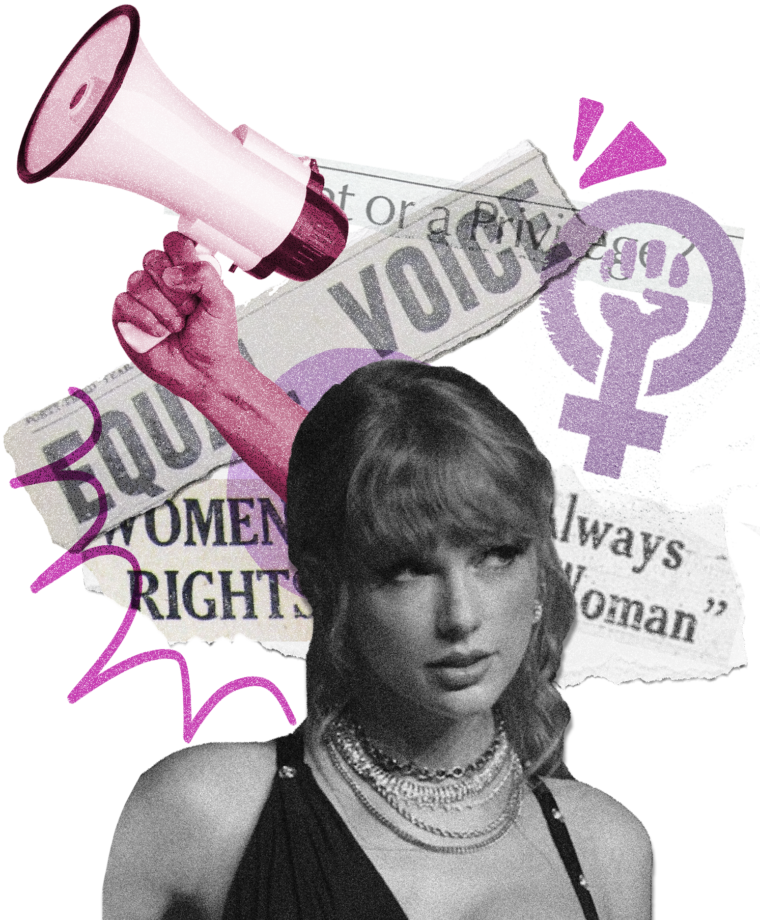
Considering the nuanced feminist history of gossip, I recognize why many people may feel unwilling to part with a method of navigating communities and learning to live their lives. I, too, feel that it’s important to think and talk about other people’s actions. I like to reflect on how I want to behave and if I want to live like or unlike other people, and that reflection is more often conversational than solitary.
Intention is key. Discussing a situation without accusing people of being morally corrupt, or calling them names, or refusing to interact with them ever again (possibly influencing your conversation partner to do the same) does not create a space of self-reflection. Considering why someone may have acted the way they did, recognizing their humanity, and considering how you would have acted instead can help you decide the kind of person you want to be. I arrived at this resolution to stop gossiping, in part, by reflecting on other people’s behaviors in that exact way.
One final caveat to my gossip aversion is what is sometimes called the “whisper network.” Sharing information that can protect others from abusers is an important part of survival for many groups of marginalized people. I always believe in the importance of keeping each other safe.
Saying goodbye to gossip isn’t quick or easy. I have to decide what is unnecessary drama or rumors and what is essential, insightful information to share with my friends. As I go on trying to stick to my resolution, I hope I inspire other people to think about their relationship to gossip and consider the kind of person they want to be (and what conversations they want to have).
Stay in Touch!
Get the latest and top news from StudentLife delivered to your inbox