Forum | Staff Editorials
Sexual assault prevention app means well, needs adjustments
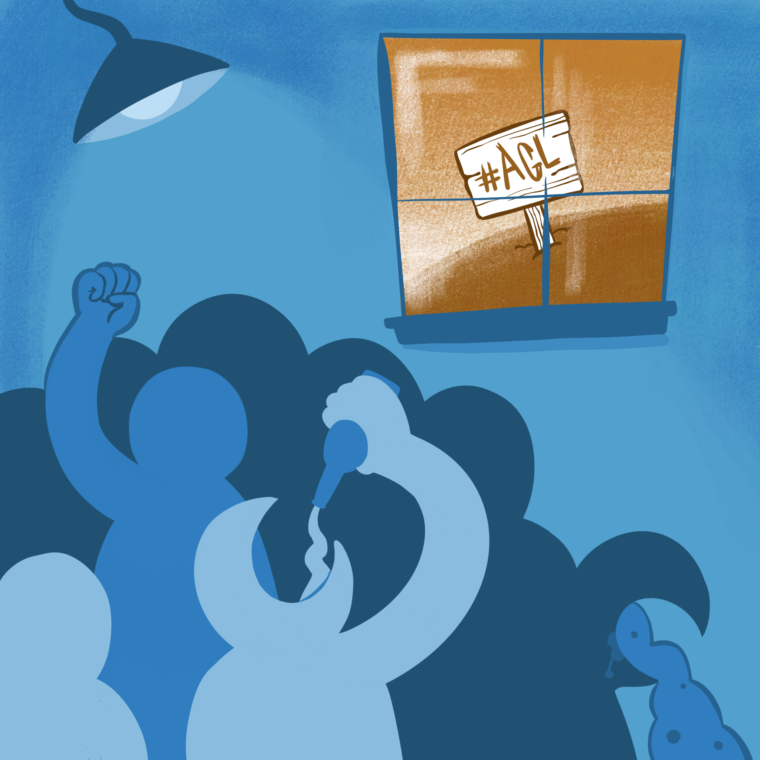
This past weekend, a new program, xSoteria, aimed at increasing safety at parties, debuted on campus. However, certain issues exist within the app and with how the app interacts with Greek life—and if these aren’t addressed, the app will not achieve nearly as much success as it otherwise can.
xSoteria is an app operated through Facebook Messenger that anonymously connects bystanders at parties to sober contacts, dubbed “risk managers,” who can then intervene in encounters that seem dangerous if needed. With a similar philosophy to other Washington University programs like It’s On Us and Green Dot, the app tries to prevent instances of sexual violence, rather than react to them once they have happened.
It will be first instituted at Greek life parties in a trial period—and with sexual assault rates 3.5 percent and 9.4 percent higher among men and women in Greek life, respectively, than for non-Greeks, the app’s first use comes within organizations that need reform.
But before the app’s success can be assessed, it must be widely instituted.
At the time of publication, only six fraternities are fully on board with using xSoteria at their on-campus events, which primarily take place in individual fraternity houses. For fraternities still deciding whether to use xSoteria, complaints are the same as the reasons which kept the University from endorsing the app: concerns over liability—despite the fact that the app adds no legal liability for those who use it.
The problem is that without broad adoption, xSoteria will not catch on—and will, therefore, be unable to do what it was designed to: help people.
Additionally, xSoteria’s success depends on the designated sober contacts being responsible, and reliably so. Should they impair their judgment by drinking, leave the party early or feel uncomfortable confronting a fellow Greek life member or party attendee, the app will essentially become useless.
Although the app can’t do anything on its own to prevent these scenarios, adding sober contacts from sororities who attend any given event could be useful (currently, only specific fraternity members can be recognized as sober contacts within the app). By allowing representatives from both organizations to report, xSoteria would increase the chance that those who encounter a problematic situation feel comfortable sending requests for help. Not only could this be beneficial—as it could increase users’ confidence in using the app to report—but since not every fraternity seems to use sober contacts at parties, it also seems pretty necessary.
The current launch period is being used to assess the app’s efficacy, another reason that the app was first tested via Greek life (an easily accessible, established structure that the app can work within). This past weekend, information about the app was disseminated through specific Facebook event pages and, verbally, when guests first entered a party. Going forward, however, Wash. U.’s non-Greek population should have exposure to the app, whether this be through public Facebook posts, class-wide emails, Office of Residential Life policies or an incorporation into LIVE training. Furthermore, if xSoteria receives positive feedback after its initial rollout it should be able to be used at off-campus events and expand to non-Greek parties in future versions so that the rest of the Wash. U. community can share in the app’s benefits.
Although the app isn’t perfect, any measures to reduce the proportion of Wash. U. students who report witnessing a drunk person heading for a sexual encounter and doing nothing—77 percent—is desperately needed and seen as a step toward creating a more reliably safe environment in the eyes of the Student Life editorial board.
The app’s creators, three Wash. U. graduates, certainly have good intentions, as do the sober contacts at parties. However, these good intentions must be translated into tangible changes, if they wish to see them come to fruition. Diligent use of the app’s features, adherence to party policies and an eventual wider audience will hopefully help reduce Wash. U.’s sexual assault rates—but change must first begin with students themselves.
Stay in Touch!
Get the latest and top news from StudentLife delivered to your inbox