News
Fall 2026 Student Union and ArtSci Council election guide
The fall 2026 semester’s Student Union elections are quickly approaching, including Senate, Treasury, and the Arts & Sciences Council on the ballot. Voting began on Wednesday, Nov. 18 at 9 p.m. CST and tentatively ends on Friday, Nov. 20 at 9 p.m. CST. At the time of publication, voting was paused due to technical difficulties. Polling updates will be posted on the SU Instagram profile’s story on Nov. 19 at 1 p.m. CST and again on Nov. 20 at 10 a.m. CST.
Several ArtSci Council positions are uncontested, including president, vice president of programming, vice president of administration, and vice president of public relations. Additionally, only two candidates are running for vice president of academic outreach.
On the contrary, 20 candidates are competing for only 12 open senate seats. Twelve treasury representative seats are open to the 24 running candidates.
Senate
Brandon Robertson – Class of 2030, he/him
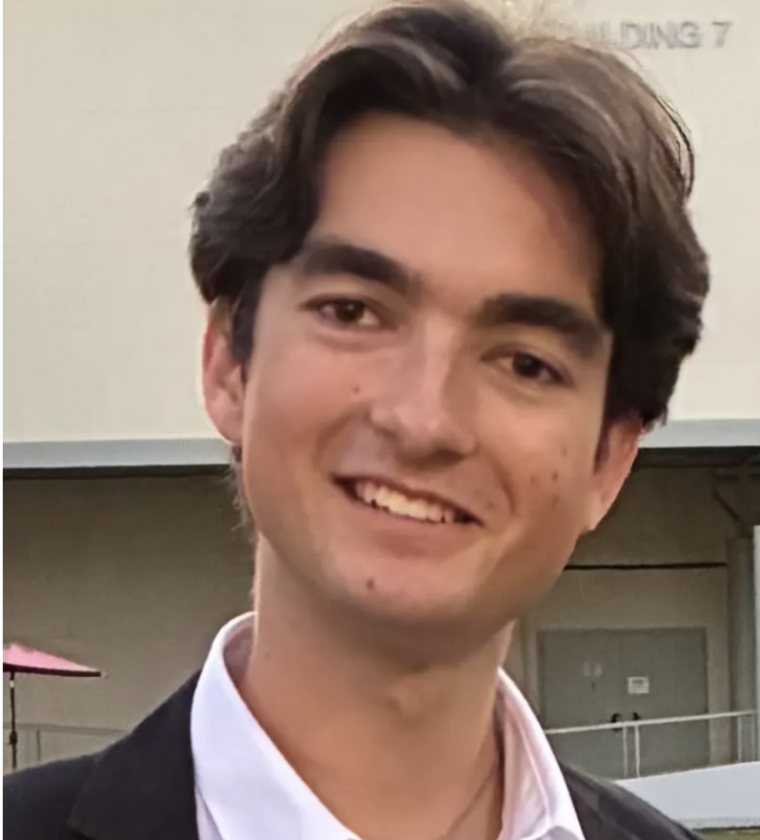
Brandon Robertson is running for senator. (photo courtesy of Brandon Robertson)
SL: What drove you to run for a SU position?
BR: My main goal is to reform the dining here at WashU. Currently, students face a wildly expensive and limited selection at on campus grocery stores, and choices by Sodexo, the owner of WashU dining, have limited what students can do with their points to drive up profit. This hurts the students and staff of WashU. I love this school, I love this community, and I want to fight to make it better.
SL: What relevant skills/experience make you a strong candidate for this role?
BR: I have managed a legal support program for at risk teens in the LA area, and served on my large high school’s student body. I have the leadership skills and government experience to make things happen. Whether that meant organizing a team or making the tough decisions, I’m your guy.
SL: What are you doing to prepare your campaign?
BR: Since my campaign is all about affordability, I find it wrong to spend tons of money that most students just don’t have. Instead, I’ll be reaching the students of WashU online via social media, and am excited to create multilingual posts to make our student body feel comfortable.
SL: What issues do you feel are most relevant to students? How do you plan to address them?
BR: I plan to address dining reform, specifically tipping and a lack of options at the Village store and Paws by making it my primary issue of focus. I’m grateful for the hard work of our senate thus far, but most members have to balance dining reform with several other issues they campaigned on, leading to a lack of coherent developments. I will support my fellow senators by becoming policy leader on dining reform.
Wyatt Nelson – Class of 2030, he/him
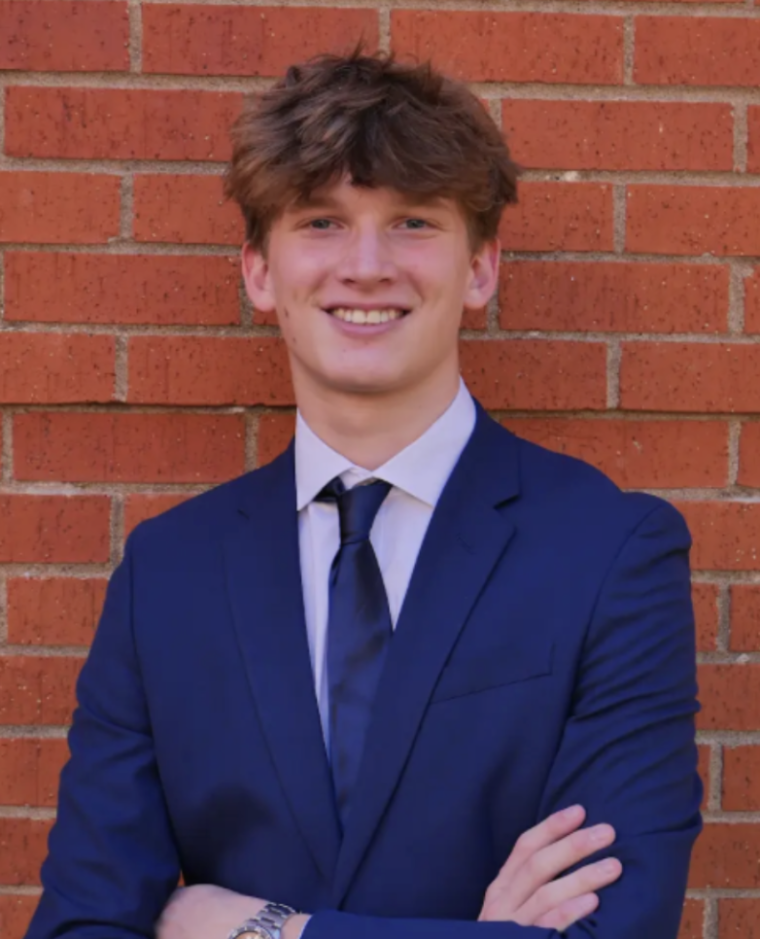
Wyatt Nelson is running for senator. He has endorsements from Ashoka, HOSA+, College Democrats, and Association of Latin American Students (ALAS). He is co-campaigning with treasury candidate Willa Garschagen. His campaign Instagram handle is @wyattnelson_washu_senate (photo courtesy of Wyatt Nelson)
SL: If you have served on SU before, what role did you hold and for how long? What did you accomplish?
WN: I am the current SU director of programming operations. So far, I have planned two events for the student body: Wellbeing Wednesday’s Pumpkin Painting event and the student tailgate. Students were able to get a free pumpkin and take supplies with them or stay at our painting spot to make some beautiful pumpkins! Tailgate was an absolute blast! We handed out tons of free Chick-fil-A and had yard games, inflatable slides, and got everyone hyped up to start the football game.
SL: What drove you to run for a SU position?
WN: I’m running for Senate because it is important to have student leaders who can have an influence on campus policy. Our faculty at WashU is amazing; they do so much, but getting to have student representation is so important to make sure there is a group that can see through the lens of a student today. There is no better option than the students themselves. After learning about all that Senate has done for WashU, I want to make my mark as well.
SL: What relevant skills/experience make you a strong candidate for this role?
WN: This is my first year on campus, but SU was something I knew I wanted to be a part of immediately, considering my high school experiences. I served on my student council’s student gov branch that advocates for change in our high school (ie. improved lunch menu, hall pass changes, etc.) and eventually was grateful enough to earn the role of student council president my senior year. I was also the public relations executive of my class council for all 4 years. With these skills, I have learned how to organize meetings, prioritize needs, and how to communicate with faculty in a respectful yet advocating way.
SL: What are you doing to prepare your campaign?
WN: So far, I have made my campaign poster, an Instagram page, have requested endorsements, and I am currently working with my running mate, Willa Gharschagen, on a Campaign event this Wednesday, “Welches with Wyatt and Willa”. We will be outside of BD this Wednesday [November 18th] from 7 – 8 PM, getting to know our peers, telling them a little bit about our goals if elected, and handing out free fruit snacks! Come say hi!
SL: What issues do you feel are most relevant to students? How do you plan to address them?
WN: The most relevant issues to students pertain to transportation, mental health resources, and transparency on what Senate is currently accomplishing. Here is what I would do.
Transportation: Students spend a lot of their personal funds on Ubers off campus, and obviously, WashU cannot cover all of these, but for circumstances like heading home for breaks, I would love to see shuttles avalaible to transportation hubs like the airport or train station. I would request that on the dates leading up to and following breaks, we reallocate the shuttles present on campus taking ones with least reported usage and having them make runs to these transits.
Mental Health: I would love to expand in person walk-in hours, decrease having to book weeks ahead, and offer more in person therapy. I would love to talk with leaders at Uncle Joes as well as health coordinaters of Habif to gain data on the current situation and what they’d need to improve the conditions.
Transparency: Though I believe senate already does a great job, I would like to continue and increase communication on what senate is up to, putting up posters, setting up occasional booths, and gain increased feedback from students in doing so, being even more vocal on the fact that their voice matters, and if they ask for something, they will be heard.
Mark Vann – Class of 2029, he/him
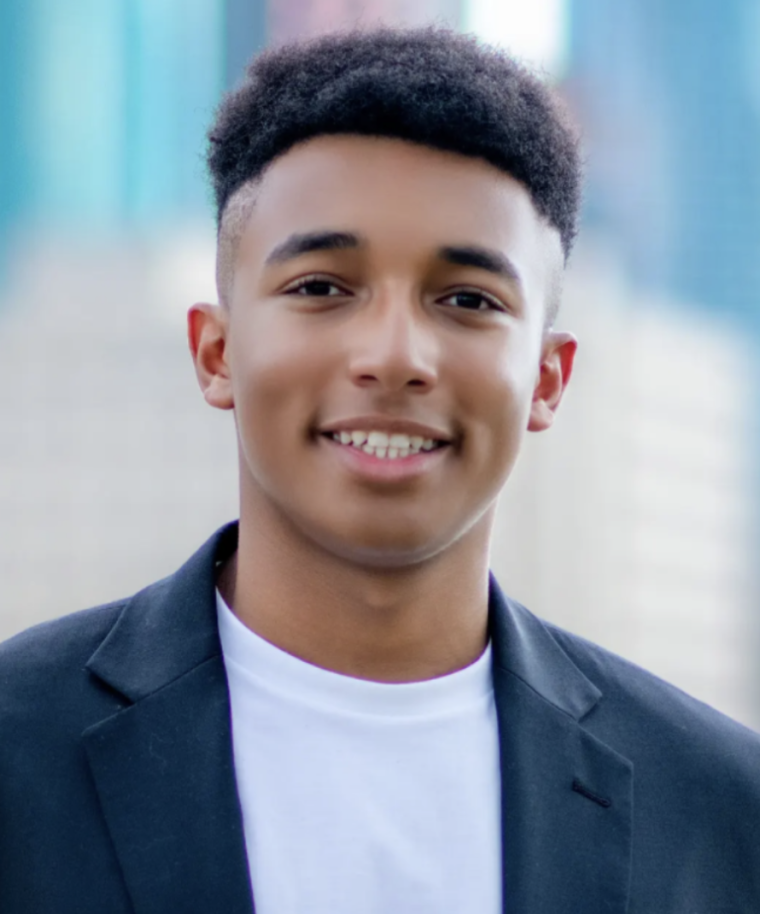
Mark Vann is running for senator (photo courtesy of Mark Vann)
SL: If you have served on SU before, what role did you hold and for how long? What did you accomplish?
MV: I have held the role of Senator since January of 2026. So far, I have worked on reports for improving space accessibility for the Women’s Building on Campus and expanding mental health care access and procedures on campus. I have also worked to host and plan activities for Wellness Wednesday’s this semester, including drawing a design for a “What Does your Ideal WashU Look Like” poster. We plan on incorporating some of this feedback with the Improve WashU survey to strategize for our next projects.
SL: What drove you to run for a SU position?
MV: While I found that WashU has in many ways fostered a thriving community, the issue of student mental health is something that I feel needs even more emphasis each and every day. I have witnessed firsthand how poor mental health can affect members of my previous high school community and even members of my own family. I want to continue working with administration and within Senate to protect the mental health of students and improve our care systems, which I believe should be a top priority for the university.
SL: What relevant skills/experience make you a strong candidate for this role?
MV: Having been in Senate for almost a year now, I have learned a lot about the procedural norms and how the system works. This familiarity will allow me to be even more efficient in my next term to bring student issues forward and having practical plans to develop projects that address those concerns.
SL: What are you doing to prepare your campaign?
MV: I am campaigning as authentically as I can and being clear about what my goals are. I have put in the hours for the countless projects that Senate is working on to make tangible change to WashU. Most importantly, however, I plan on continuing my work to improve student wellbeing and mental health, especially as we approach the colder, darker months of the year. I want voters to understand that my commitment to serving others is what helps me to show up on those late Tuesday Senate sessions and work tirelessly towards improving our university.
SL: What issues do you feel are most relevant to students? How do you plan to address them?
MV: My focus during my time on Senate, particularly on the Health and Wellness Committee, has been on the mental health of Students. High academic stress, seasonal depression, and stigmas around reaching out for mental health are just a few of the many issues WashU students may face during their time here. One of my current goals is to push the Center for Counseling and Psychological Services to remove the 9-session limit per academic year. With the established relationships I have made thus far, I can continue to meet with the leadership team of CCPS and work with the Health and Wellness Committee to bring this goal to fruition.
Sami Carter – Class of 2030, she/her
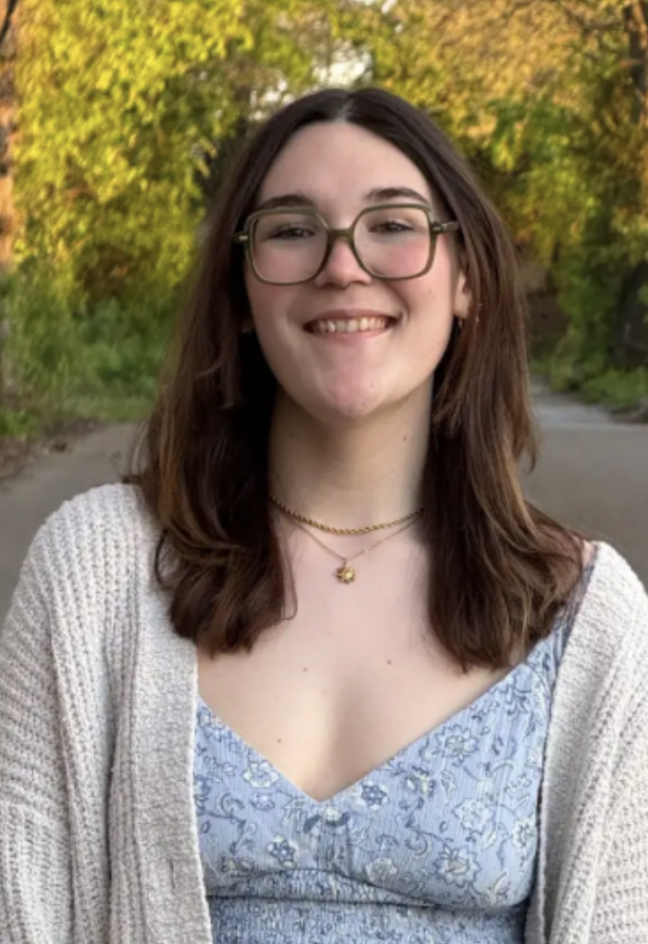
Sami Carter is running for senate. She is co-campaigning with Bailey Rogoff (photo courtesy of Sami Carter)
SL: What drove you to run for a SU position?
SC: Every student who attends WashU worked incredibly hard to get here, and we all deserve to live and learn in the best community possible. Even in my short time on campus, I have seen the issues that my peers and I run into on a daily basis. Sometimes they are minor inconveniences, such as broken printers and bad wifi, or larger problems, like disability accommodations and dining services concerns. I am driven by action, so I am running for Senate to be part of the solution to these issues.
SL: What relevant skills/experience make you a strong candidate for this role?
SC: I have previously worked in student government positions for three years in various roles. No matter the position, I was dedicated to advocating for my peers if I saw an issue within our school. I am also an effective communicator, and I am extremely driven to meet goals once I have set them. I will work hard to create a space for every student, effectively a “WashU for U.”
SL: What are you doing to prepare your campaign?
SC: Bailey and I have been working to post flyers, make social media posts, and speak to our peers about the issues we believe in. We also plan to host a tabling event on the Lien Patio during the voting period so students can speak with us in person. We believe this will give voters a better sense of who we are, and it will allow them to address their concerns with us in person.
SL: What issues do you feel are most relevant to students? How do you plan to address them?
SC: Our campaign focuses on three things: increasing school spirit, expanding library hours, and centering student voices. By hosting more school-wide events and creating new traditions, we believe it will create a better sense of unity and identity within the student body. We have also often heard complaints that libraries or other study spaces around campus close at inconvenient hours. We will try to work to expand hours in order to provide students the resources to achieve their learning goals. Finally, we recognize that some students feel that their voices are not being heard by SU. We want to streamline this communication process through hosting more in-person events where students can communicate directly with their senators.
Grace Dunson – Class of 2028, she/her
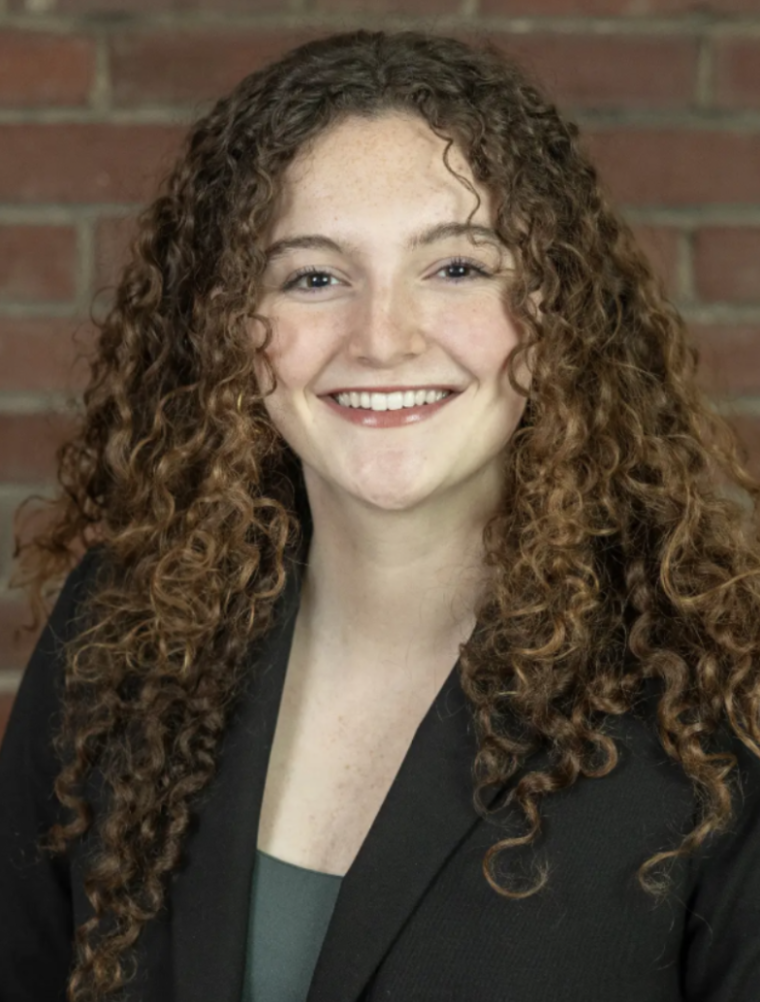
Grace Dunson is running for senate (photo courtesy of Grace Dunson)
SL: What drove you to run for a SU position?
GD: I’m running for Senate not just to make change, but to cultivate points of connection for the student body and make WashU feel more like home. WashU prides itself on knowing everyone by name and by story, and I hope to make that true in practice.
As your senator, I will expand spaces (whether through clubs or affinity groups) where students can be themselves, create events and policies that reflect shared goals, and work with staff to turn ideas into results. By the end of my term, I hope that any student, regardless of background or major, feels like WashU is a place they belong.
SL: What relevant skills/experience make you a strong candidate for this role?
GD: I’ve held a wide range of leadership roles at WashU. Last year, as Equity, Diversity, and Inclusion Chair for CS40, I led a nine-member committee spanning all residential communities, focused on improving the visibility and representation of different groups on campus. Under my leadership, we implemented heritage month events for the first time. For example, in the fall of 2025, we held Fiesta on the 40, where different clubs, affinity groups, campus offices, and outside partners came together. The event had over 200 attendees and was so successful it acted as a template for how we engage and interact with different campus groups and outside organizations.
A high school teacher once told me that experiences work as windows and mirrors: windows, in this sense, allow you to see someone else’s perspective, and mirrors let you see yourself and your community. In that role, I set out to create both experiences for all students at WashU. I’ve also built and shaped community as an intern in the Undergraduate Admissions Office and as a WUSA, working with diverse groups of people to build connections whether for my cohort of students or for prospective students. Together with my drive to create belonging, these experiences make me a strong candidate for this role.
SL: What are you doing to prepare your campaign?
GD: I’m preparing by listening first. I’m gathering student feedback and sentiment through conversations with student orgs and my peers so I can get a better understanding of what changes matter most. So far, I’ve heard themes surrounding WashU culture and dining, which I can start working on once elected.
SL: What issues do you feel are most relevant to students? How do you plan to address them?
GD: Dining is the issue students prioritize most, and I’ll push for regular student input in dining decisions and work more closely with staff to understand reasons behind certain implementation but also drive student input. The issue I care about most is culture, and understanding how to meaningfully change it to make us feel like a more cohesive and connected student body. Culture isn’t a one-time fix. It takes time, energy, and investment in the things that bring people together. I see SU addressing it through a variety of different approaches; the clearest is working closely with student and affinity organizations to understand how to better represent their voices in decision making. Additionally, planning events that students want and bridging the gap in the WashU community. Finally, I see merit in investing in and developing partnerships with WashU community partners and local St. Louis organizations to truly embody the in St. Louis for St. Louis motto that we praise. I believe that when we invest in our communities and people, we build something connected that, as a result, uplifts everyone. My approach is to look at the big picture, then turn it into solutions that are empathetic, specific, and actionable.
Ethan Skolnick – Class of 2028, he/him
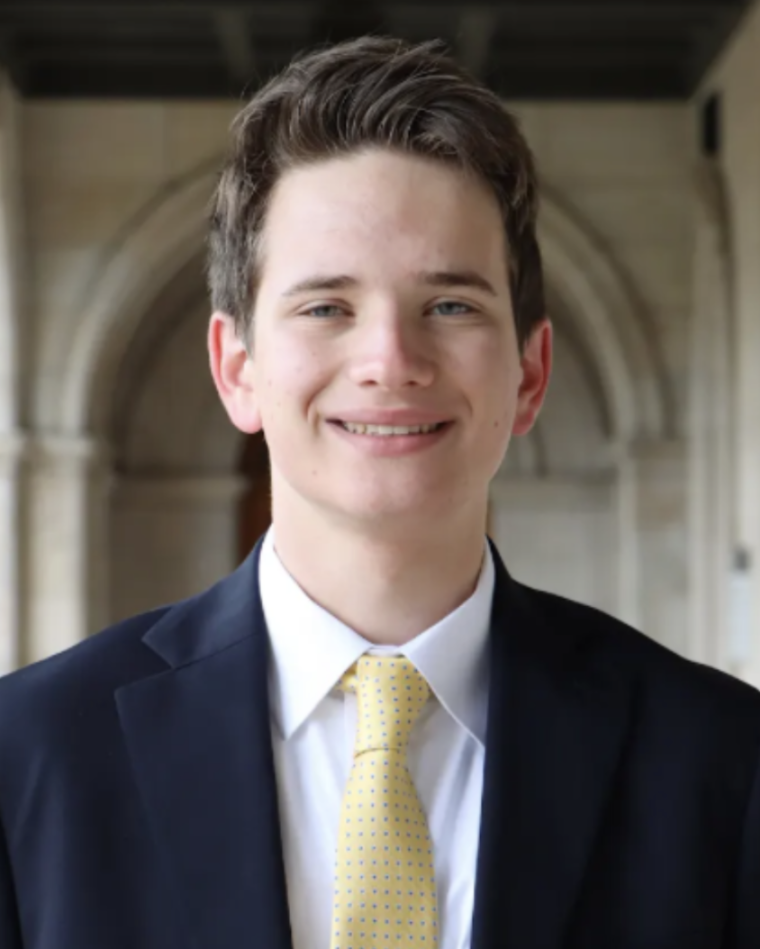
Ethan Skolnick is running for senate. He is part of the SUperstars co-campaign and is endorsed by College Democrats, the Jewish Student Association, and Jewish on Campus. His campaign Instagram handle is @skolnickforsusenate (photo courtesy Ethan Skolnick)
SL: If you have served on SU before, what role did you hold and for how long? What did you accomplish?
ES: I served as an SU Senator for one term covering Fall 2025 and Spring 2026, and I was the Campus and Residential Experience (CRE) Chair in Spring 2026 prior to studying abroad. During my term, I successfully advocated for a framework for an accessibility and accommodations advisory committee including students, for increased support for students in university housing (especially traditional dorms), and for dining quality improvements. I also proposed the name change from “Simple Servings Express” to “Simple Servings Plus” to help students understand healthy and allergen-free options better, gathered information about the response to the February 24th lockdown and participated in discussions about how to improve it in the future, and devised a genuinely inclusive solution for all after listening to students’ and student groups’ perspectives about free speech. For these achievements, I received the 2026 SU Leadership Award.
SL: What drove you to run for a SU position?
ES: My passion for advocacy and desire to build a better WashU for all students drove me to run for Senate. Being able to drive meaningful change that produced tangible benefits for fellow students was one of the most meaningful experiences I have ever had, and I would love to be able to resume this work. I firmly believe that all WashU students should possess the opportunities and resources they need to succeed on campus, and I will be a determined advocate for the measures needed to make that a reality.
SL: What relevant skills/experience make you a strong candidate for this role?
ES: My experience and skills make me a strong candidate for Senate. My service as a Senator and CRE chair are my most relevant experience, and I am an effective leader, collaborator, and advocate. My leadership, organization, problem-solving, teamwork, and openness made me a particularly effective Senator and will do the same now. While in Senate, I led several major projects, and my leadership and organization allowed me to achieve results on efficient timelines. Additionally, my problem-solving skills allowed me to devise innovative and effective solutions to problems facing the student body. My teamwork skills were also very important and enabled me to contribute to projects led by other Senators and facilitate agreements needed for measures to take effect. Finally, my openness helped me understand constituents of all backgrounds and perspectives and build bridges both within and beyond Senate.
SL: What are you doing to prepare your campaign?
ES: I am doing three main things to prepare my campaign: talk to students and student groups, perform research and devise policy solutions, and spread my message. It is essential for a candidate (and a Senator) to understand the needs and perspectives of the student body, and gauging other students’ feelings will allow me to be as effective a representative as possible. I have researched these concerns as much as possible and created plans to address them. I am also spreading my message through flyers on campus and social media so voters can learn about me and my ideas and know that I am here to advocate for them.
SL: What issues do you feel are most relevant to students? How do you plan to address them?
ES: Currently, I feel that dining, housing, accessibility and accommodations, support for immigrant and international students, and support for humanities departments are the issues most relevant to WashU students. Dining is something that students experience constantly throughout the day at WashU. As your Senator, I will continue advocating for improved quality and pricing while also working to improve equity for students with dietary needs such as allergies or keeping Kosher or Halal. The latter would either involve increased options on campus or an alternative dining plan. Housing is another issue that affects students every day, and I will work to establish a more effective system for students to report concerns while also advocating for ResLife to expand support. Ensuring that students receive the accommodations they need to succeed is essential, and I plan to collaborate with Disability Resources (DR) to create an explainer to help students navigate the necessary processes. It is important to support immigrant and international students as valuable members of our WashU community, and I will pursue this by organizing an informational campaign involving procedures and resources to know given present uncertainties. Additionally, I understand the importance of the humanities personally as a history major, and I believe that continued support is important. As your Senator, I will work to better understand WashU’s plans related to the WashU-Vanderbilt report and advocate for the importance of humanities subjects if proposals to consolidate or eliminate subjects are made.
Bailey Rogoff – Class of 2030, she/her
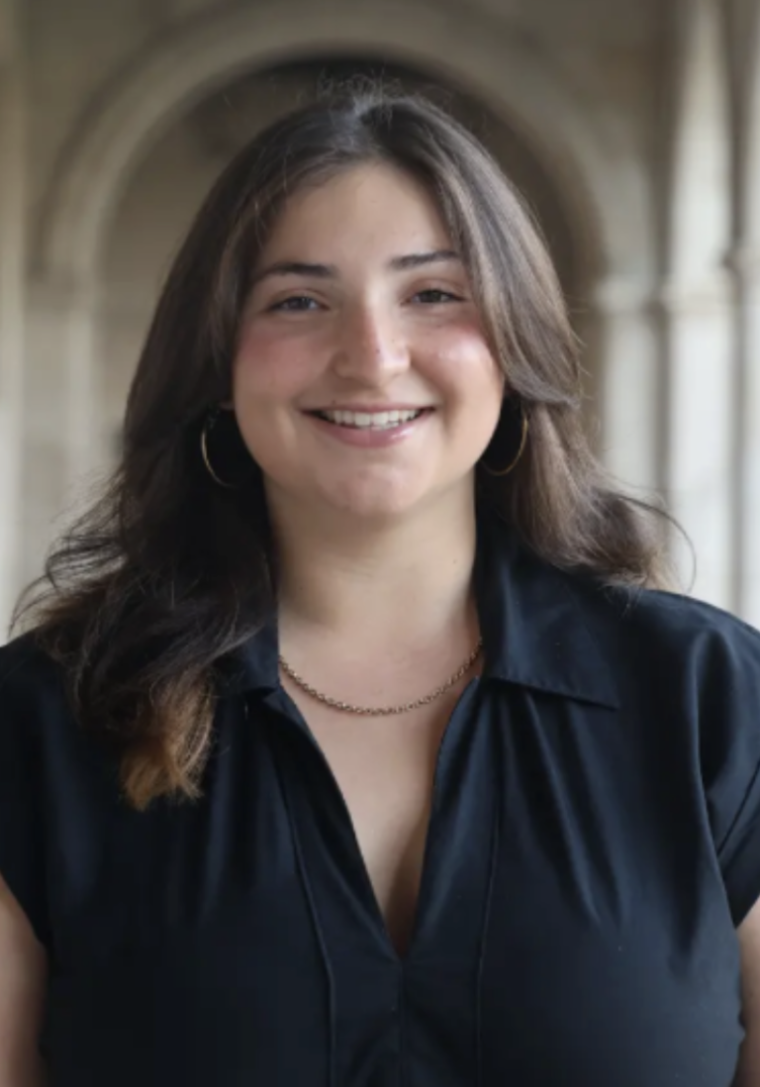
Bailey Rogoff is running for senate. She is co-campaigning with senate candidate Sami Carter (photo courtesy of Bailey Rogoff)
SL: What drove you to run for a SU position?
BR: Coming into WashU this year I immediately felt welcomed by the caring student body. We all work ourselves to the limit and deserve spaces where we can decompress, connect with peers outside of our classes, and access useful resources on campus. I want to be an ambassador for all of you to get your voices heard. No matter how small or large the issue, I’ll be there to lend an ear, and hopefully as part of the Senate I’ll also be able to lend a hand in creating solutions. I’ve always been involved in student government and love working to make school a place that feels welcoming, supportive, and fun even beyond its academics and I would love to be one of the people who can build on that aspect of WashU.
SL: What relevant skills/experience make you a strong candidate for this role?
BR: I’ve been active in student government for the past 6 years. Last year I was my school’s Associated Student Body President, and I have previously worked as Treasurer and Parliamentarian. Through student government I have learned how to be adaptive and responsive. I learned how to be a supportive teammate, but also a spokesperson for my peers and fellow students, especially those who do not have another place to make their voice heard. I will work hard to ensure that there are ample spaces for you all to offer feedback on what’s working and what needs to be improved upon or changed. Being successful in student government means being able to bridge the gap between administrators, teachers, and students, and I feel that my experience and prior roles have set me up for success as a liaison for each student.
SL: What are you doing to prepare your campaign?
BR: I’ve been working with Sami (my co-candidate!) to post flyers, speak with peers, and stay active on social media. We plan to host a tabling event where students can come speak with us, learn more about our platform, and grab a sweet treat! We want to show that we are – and always will be – available for each student at any time, and we want to make sure each student knows a friendly face on campus who they can reach out to whenever!
SL: What issues do you feel are most relevant to students? How do you plan to address them?
BR: Our campaign focuses on three areas: fostering a strong school spirit, expanding library and study-space hours, and streamlining feedback that centers student voices. We plan to achieve this by establishing new campus-wide traditions and events to further bring together residential communities, clubs, and on-campus organizations. We have also heard from you and acknowledge the inconvenience of the current library hours. We will work to have the libraries and study rooms open until later hours to ensure you all can maximize your study time and space. Finally, in a college with thousands of students it can be hard to feel that your voice is heard. We want to streamline feedback from students to SU (student union) and administration by creating a feedback portal where students can communicate directly with their senators and see their voices being heard in real time.
Amy Li – Class of 2030, she/her
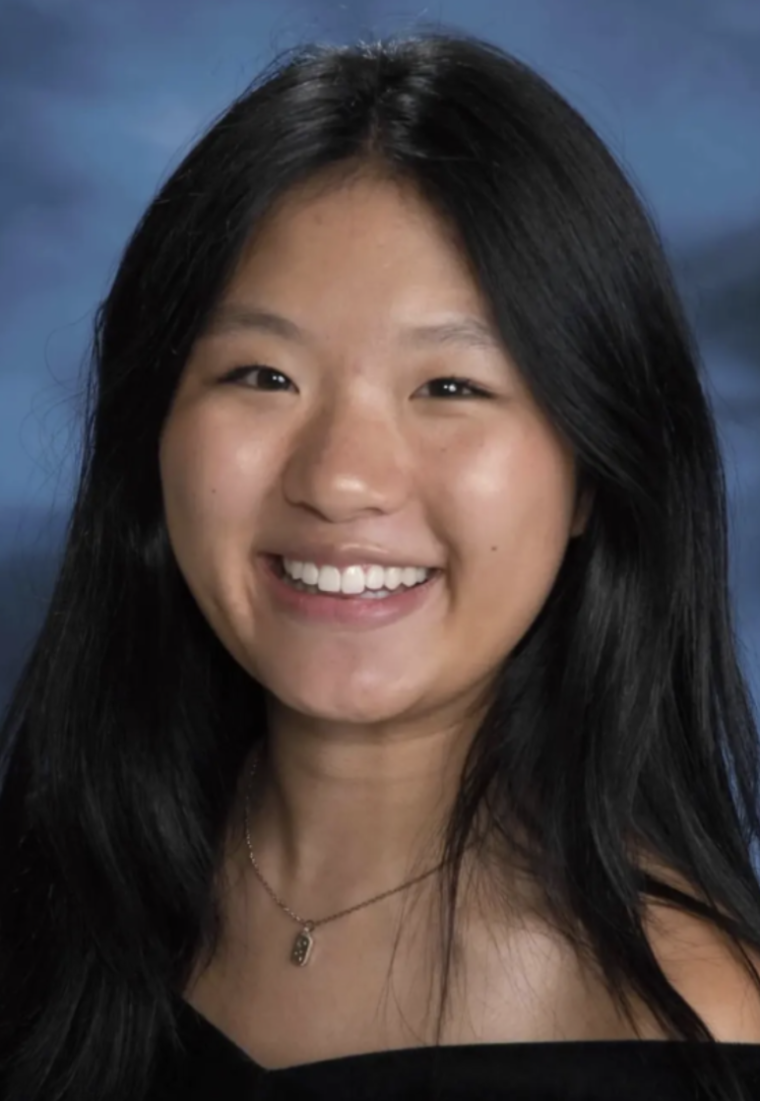
Amy Li is running for senate. She is with the Renew SU co-campaign, and their Instagram handle is @renew.su (photo courtesy of Amy Li)
SL: What drove you to run for a SU position?
AL: At WashU, my friends and I have found a lot of good (and bad) things to bond over. Namely—patchy WiFi, questionable BD food, and the collective weekly thought of: “what am I gonna be able to eat this weekend?” School is hard enough as is, and basic amenities shouldn’t add to the list. I’m running for SU because I know food and internet access, though they seem like basic concerns, are things no student can thrive without. WashU students deserve better, and with the right leadership, “better” is extremely attainable.
SL: What relevant skills/experience make you a strong candidate for this role?
AL: From middle school education programs to homelessness policy, I’ve worked on public advocacy projects of all kinds. In my home state of Tennessee, I served as Chair of my city’s youth council. I regularly surveyed young adults’ concerns and brainstormed ways to address them through service, policy, and representation within local government. Responsive, tactful government is something I feel honored to have previously observed. Now, I want to advance that same expectation within the SU Senate.
SL: What are you doing to prepare your campaign?
AL: In the Renew SU [co-campaign], we want to keep students at the center of our campaign, and our campaign techniques are no exception. We’re meeting with affinity groups to discuss how we can best empower them and their communities. We’re also surveying online student opinion to determine where SU can and should improve. Most importantly, we’re talking to as many people as possible about what we care for and why.
SL: What issues do you feel are most relevant to students? How do you plan to address them?
AL: I think students are exhausted by long-term issues that, over several years, have seen little or no improvement. Weekend dining options and WiFi quality immediately come to mind. If elected to SU Senate, I plan to press IT for a feasible, efficient solution to WashU’s historically slow internet. I also plan to collaborate with campus dining to expand DUC hours to weekends and to improve S40 food. A vote for me is a vote against BD slop!
Veronica Miller – Class of 2030, she/her
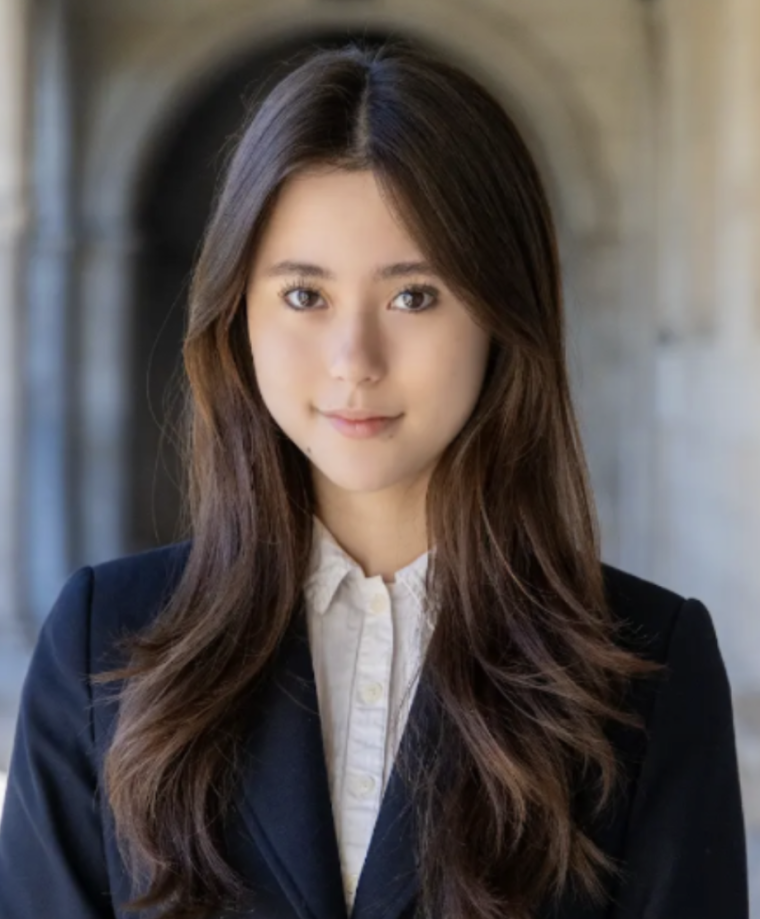
Veronica Miller is running for senate. She is in the Team V.O.I.C.E co-campaign, which has been endorsed by Raise. Their campaign Instagram handle is @teamvoiceforsenate (photo courtesy of Veronica Miller)
SL: If you have served on SU before, what role did you hold and for how long? What did you accomplish?
VM: I’ve served as a Fall 2026 Academic Affairs Senator, and in my term, I have begun working on two projects that I hope to finalize in the upcoming spring semester. My main project works to improve the WUGO platform so students can navigate clubs and organizations in a more efficient manner. I’ve been looking into how getting feedback from organization leaders and people who regularly interact with WUGO can help transform the platform into something that benefits students and organizations in the long run. My other project focuses on the standardization of the College Writing program across sections to ensure all students have similar experiences with grading and course expectations and are not having it depend on which professor they get.
SL: What drove you to run for a SU position?
VM: I originally ran because I wanted to become more involved in improving the student experience at WashU and advocate for issues students care about. After serving on Senate this semester, I’ve realized how rewarding it is to take something students find frustrating and come up with a tangible solution. I’ve especially enjoyed hearing different perspectives and having the opportunity to bring up student concerns in conversation with university administrators. I’m rerunning because I’ve genuinely enjoyed the work I’ve done, and I want to continue the projects I’ve started while also finding new ways to contribute.
SL: What relevant skills/experience make you a strong candidate for this role?
VM: In high school, I served as Speaker of the House for my statewide Youth and Government program and was involved in student government and club leadership. My experiences taught me how to work with people who have different perspectives and navigate the legislative process while making sure everyone has an opportunity to contribute their unique opinion.
Serving on Student Union Senate this semester gave me the chance to apply those skills in a university setting by collaborating with other senators and administrators on concerns from students. I think my experience has helped me become a better listener and more thoughtful advocate, and I’m excited to keep learning.
SL: What are you doing to prepare your campaign?
VM: I’ve been reaching out to student organizations and talking with students about issues they’d like to see addressed in Senate. One of my favorite parts of serving this semester has been hearing perspectives from students with different experiences on campus, and I want conversations with new people to continue shaping my priorities and views to ensure all student voices are heard.
I’m also working with my [co-campaign] to communicate our goals and connect with organizations across campus. I want my campaign to be an opportunity to hear what students think could be improved at WashU, especially issues that might not already be on Senate’s radar.
SL: What issues do you feel are most relevant to students? How do you plan to address them?
VM: I think one of the biggest issues students encounter is how difficult it can sometimes be to navigate the resources and opportunities available at WashU. That’s something I’ve been thinking about through my WUGO project, and I’d like to continue exploring ways to make academic support and campus involvement more accessible.
I’m also interested in academic wellness and how differences in course expectations and workloads can affect students’ experiences. Through my College Writing project, I hope to look more closely at consistency across course sections and how students’ concerns about their classes can be addressed.
I’d love to expand my involvement through cross-committee collaboration, especially on issues involving academic stress and mental health. I want to continue gathering student feedback and working with other senators and administrators to identify changes we can realistically make.
Meishu Han – Class of 2029, she/her
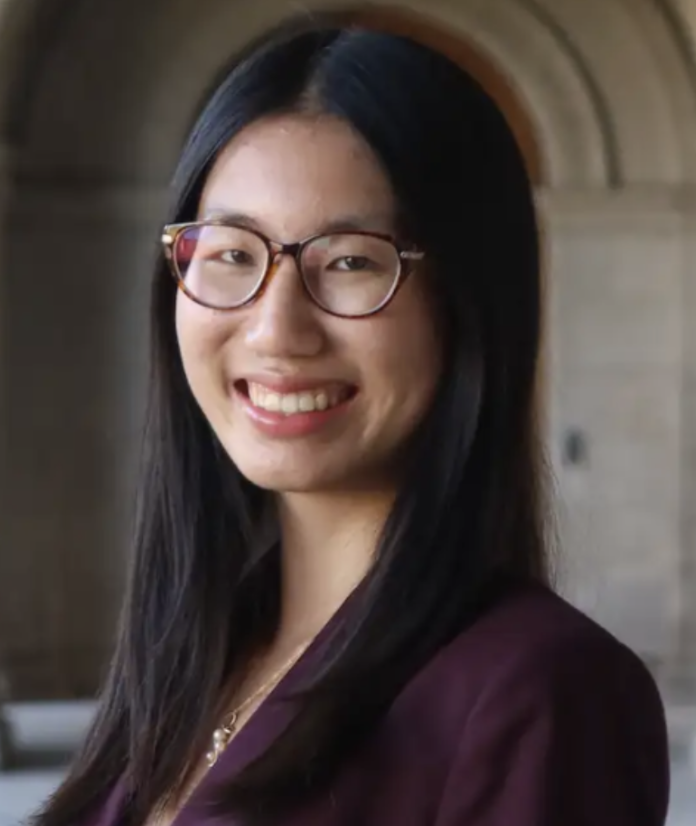
Meishu Han is running for senate. She is part of the SUperstars co-campaign (photo courtesy of Meishu Han)
SL: If you have served on SU before, what role did you hold and for how long? What did you accomplish?
MH: I currently serve as a Student Union Senator and am in my second term as Health & Wellness Committee Chair. Through this work, I collaborated with student and affinity groups to develop a campus mental health survey and report and brought those findings to campus administrators. I also organized Wellness Week programming with student groups to create opportunities for students to connect and prioritize their wellbeing. Beyond programming, I have advocated for student concerns around counseling, including session limits and access to counselors with diverse backgrounds, identities, and areas of expertise. I have also worked to expand access to menstrual products and am now working on longer-term efforts, including academic policies that better support student mental health and wellbeing.
SL: What drove you to run for a SU position?
MH: I’m running to continue the work I’ve started and keep turning student perspectives into action. I’m passionate about listening to students across campus, understanding where gaps exist, and advocating for both the everyday support and larger changes that improve student life.
SL: What relevant skills/experience make you a strong candidate for this role?
MH: My experience has taught me how to listen to different perspectives, collaborate across student groups, and bring student concerns into conversations with administration. I also have experience turning student feedback into concrete projects, from Wellness Week programming to longer-term mental health advocacy.
SL: What are you doing to prepare your campaign?
MH: I’m preparing by talking with students and student groups about what matters to them, refining my platform around the issues I’ve heard most consistently, and making sure my campaign clearly communicates both what I’ve accomplished and what I want to continue working on. I’m also working on campaign materials and outreach to connect with students across campus.
SL: What issues do you feel are most relevant to students? How do you plan to address them?
MH: Mental health and academic wellbeing are major priorities for me. I want to continue expanding counseling access and awareness, making campus resources easier to navigate, and advocating for greater flexibility around attendance, absences, and time to recharge. I also want to continue everyday wellness efforts, including care packages, menstrual product access, and spaces for students to decompress.
Tzipora Guttman – Class of 2029, she/her
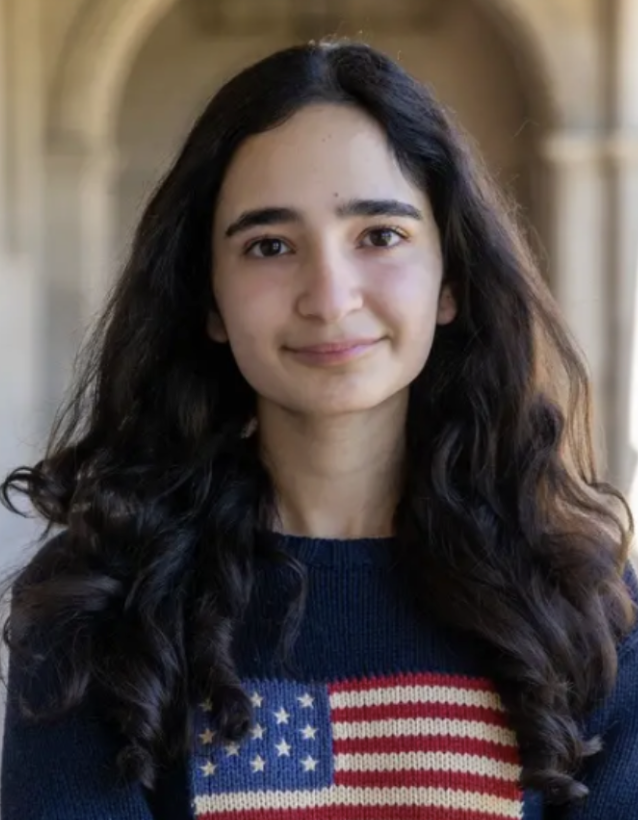
Tzipora Guttman is running for senate. She is part of the SUperstars co-campaign and is endorsed individually by Jewish on Campus (JOC) (photo courtesy of Tzipora Guttman)
SL: If you have served on SU before, what role did you hold and for how long? What did you accomplish?
TG: This is my second semester serving on the SU Senate. Last semester, I served on the Academic Affairs Committee (AcAff), where I advocated for greater transparency in course fees and improved access to textbooks and lab manuals. This semester, I serve on the Diversity, Equity, and Inclusion Committee (DEI), where I work to build stronger relationships with campus affinity groups, particularly around addressing hate and harassment. I am also collaborating with Campus Life and the RSVP Center to increase transparency surrounding Greek Life and its efforts to prevent sexual harassment. Additionally, I serve as Internal Communications Chair and helped plan and execute the SU T-shirt Design Competition in collaboration with MarComm.
SL: What drove you to run for a SU position?
TG: I am returning to Student Union simply because I have genuinely enjoyed my time serving on the body. Having the opportunity to work with such a supportive group of students has made me feel like I belong on this campus and that my work is valued. I hope to extend that feeling to other students by continuing to advocate for their needs, build connections across campus, and make sure different communities feel that their voices are being respected and heard.
SL: What relevant skills/experience make you a strong candidate for this role?
TG: My time serving in the Student Union has allowed me to develop the communication and collaboration skills needed to work effectively with administration, student leaders, and fellow members of SU. Through my work on both AcAff and DEI, I have gained experience listening to differing perspectives, identifying areas where students and communities need more support, and working with others to create tangible solutions. I also bring experience building relationships with campus organizations through my involvement in Hillel, Greek Life, Campus Y, and other campus communities.
SL: What are you doing to prepare your campaign?
TG: I am endorsed by Jewish on Campus (JOC) and I am currently on a slate with Meishu Han, Ethan Skolnick, and Mark Vann (SUperstars!). We have been working together to connect with students and build support for our campaigns.
SL: What issues do you feel are most relevant to students? How do you plan to address them?
TG: One of SU’s greatest opportunities is bringing together different communities across campus. I hope to continue working with affinity groups to create more opportunities for students from different backgrounds and perspectives to engage in honest conversations, rather than allowing difficult topics to create further divisions. I also want to make existing reporting mechanisms more visible and accessible, particularly for students navigating situations involving hate and harassment. Through my work with the RSVP Center and Sorority and Fraternity Life, I hope to improve coordination between graduate and undergraduate programming, increase campus-wide awareness of sexual assault prevention resources, and make education accessible beyond individual organizations.
Hsalaw Soe – Class of 2028, she/her
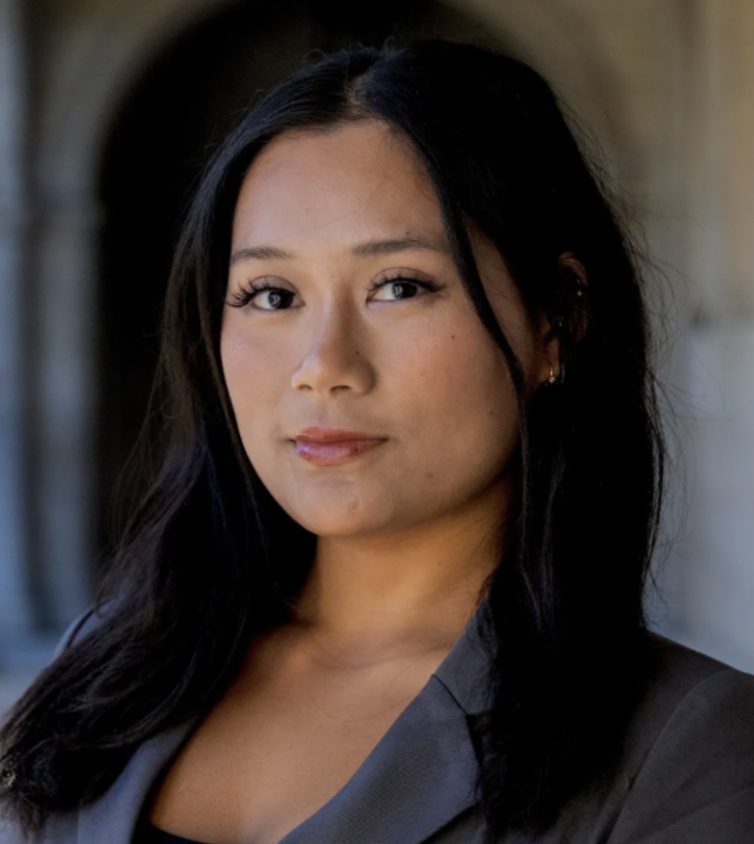
Hsalaw Soe is running for senate. She is in the Team V.O.I.C.E co-campaign, which has been endorsed by Raise. Their campaign Instagram handle is @teamvoiceforsenate (photo courtesy of Hsalaw Soe)
SL: If you have served on SU before, what role did you hold and for how long? What did you accomplish?
HS: I have served on SU for two semesters, both as a member of the DEI Committee. During my first semester, I worked to address the concerns of FGLI students and contributed to the Women’s Building Report on space equity. This semester, I have continued advancing the space equity project while also pursuing additional initiatives, including promoting sexual assault awareness on campus and celebrating the experiences of international and immigrant students.
SL: What drove you to run for a SU position?
HS: As an immigrant woman of color, I recognize the unique challenges and barriers that marginalized communities continue to face. While progress has been made, there is always room to further amplify these voices and ensure their experiences are reflected in the conversations and decisions that shape our community. Therefore, I hope to serve as a bridge between the broader student body and SU by fostering meaningful conversations and translating them into action to improve the experiences of all students, regardless of their backgrounds.
SL: What relevant skills/experience make you a strong candidate for this role?
HS: As an incumbent, I understand the structure and operations of SU. I have also built relationships and gained experience working with student groups and university leadership. Additionally, through my role as a member of the IMPROVE WashU Task Force, I have had the opportunity to analyze and identify the key concerns and topics that matter most to the students. Through these efforts, I believe I am well-equipped to go beyond identifying issues and begin implementing actionable solutions that reflect the priorities of our community.
SL: What are you doing to prepare your campaign?
HS: I have formed a [co-campaign] with fellow candidates who I believe share the same values, priorities, and commitment to our student body. However, my preparation to these initiatives extends beyond the campaign itself. I have continued working on the projects because I believe in following through on the commitments I have made to students. I want to demonstrate that my advocacy something I actively pursue through the platform and responsibilities I hold.
SL: What issues do you feel are most relevant to students? How do you plan to address them?
HS: I believe students recognize the gaps in their experiences and connections with their peers, particularly when it comes to differences in their backgrounds and identities. It is therefore important that we actively foster spaces where students can share their experiences and develop a greater understanding of one another. This is why initiatives such as celebrating international and immigrant experiences are so important, alongside continued efforts to promote sexual assault awareness. Both provide opportunities to recognize experiences that may otherwise go overlooked.
William Fang – Class of 2029
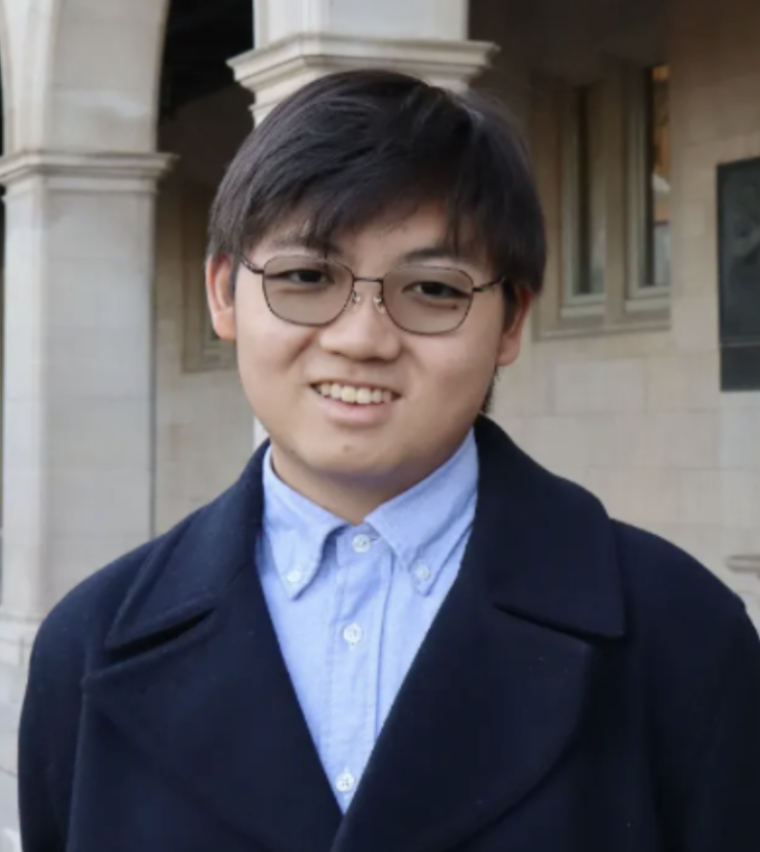
William Fang is running for senate. He is endorsed by WashU Satellite. His campaign Instagram handle is @william4senate (photo courtesy of William Fang)
SL: What drove you to run for a SU position?
WF: Advocacy and debate have always been a huge part of my life since middle school, whether that be in competitions, model united nation conferences or just in conversation with friends. My parents both being lawyers probably helped. Combined with that I am also always motivated to help others to the best of my ability, therefore I thought this platform was ideal. As a senator, I would be able to both propose and advocate for policy beneficial to the student body while also exercising my interest in debate on this microcosmic scale.
SL: What relevant skills/experience make you a strong candidate for this role?
WF: I have extensive leadership and cooperative experience, whether that be as a community council VP, working with teammates as a mechanical engineer on WashU satellite, and as a recitation leader for the general chemistry course. The quality of which you would have to ask my students about but anyways. In short, I know how to work with people and I know how to take charge when I have to; both skills are souvenirs of my stated experiences.
SL: What are you doing to prepare your campaign?
WF: Not much really, just texting all my friends to text their friends. I have opened an instagram account to share my agenda and I have coordinated with various student groups to promote my candidacy.
SL: What issues do you feel are most relevant to students? How do you plan to address them?
WF: The biggest issues will always be courses and busywork adjacent to courses. But, I want to minimize the peripheral burdens such as transportation. Long have students relied upon costly methods such as Ubers or private rentals to reach the same iconic St. Louis destinations despite the university operating a full fleet of shuttles. I intend to begin a SU transportation committee to navigate shuttle route integration and management.
Another issue is our student leader onboarding, every year the brilliant minds on campus open ever more student groups Yet, SU provides lackluster guidance for them. I would implement a student leadership academy that has SU delegates especially student leaders personally advise emerging groups for a year and instruct them on how to navigate the SU systems. If you have any policy proposals or desired amendments to my policies, I am eager to hear them at: [email protected].
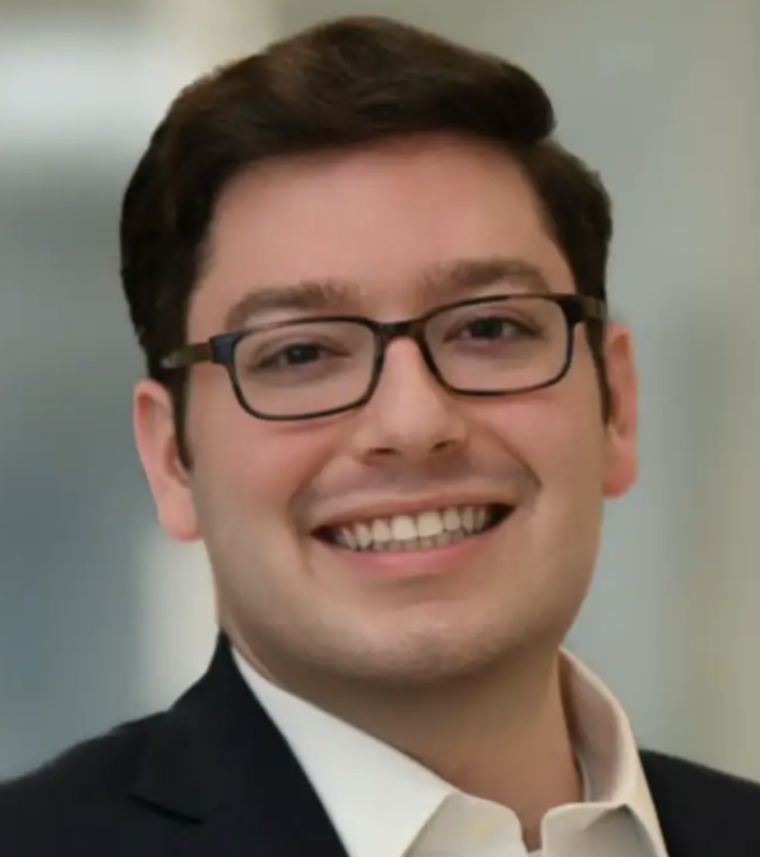
Adam Berkowitz is running for senate (photo courtesy of Adam Berkowitz)
SL: What drove you to run for a SU position?
AB: I’m running for Senate because some of the biggest frustrations WashU students deal with—from dining options and housing policies to academic support—rarely get solved unless students push administration directly. Through my involvement in clubs, I’ve heard countless valid complaints from peers who feel like SU doesn’t reflect their day-to-day reality. I’m not running for a title; I want to bring an outsider’s perspective into the room and turn everyday student feedback into concrete policy changes.
SL: What relevant skills/experience make you a strong candidate for this role?
AB: Strong Senate advocacy comes down to two things: listening well and following through. As a club president for two years, I regularly mediated between members, university staff, and our national organization where I gathered feedback from different perspectives, and turned ideas into actual events or policy updates.
Senate isn’t just about debating in meetings—it’s about doing the unglamorous legwork between sessions, like researching policies, meeting with administrators, and co-authoring resolutions with campus groups. I’m someone who shows up prepared, communicates clearly, and doesn’t drop the ball once the meeting ends.
SL: What are you doing to prepare your campaign?
AB: Creating fliers and spreading the word so people know I am a excellent candidate for their vote!
SL: What issues do you feel are most relevant to students? How do you plan to address them?
AB: In almost every conversation I have with WashU students, three issues come up repeatedly:
Dining Quality, Hours & Affordability: Students shouldn’t have to struggle to find affordable, nutritious meals late at night or on weekends. I plan to work with Dining Services and the Campus Life Committee to push for extended late-night options, clearer pricing transparency, and direct student feedback loops on menu and vendor changes.
Housing, Transit & Everyday Campus Logistics: Whether it’s campus shuttle reliability or residential maintenance delays, small logistical headaches add unnecessary stress to student life. I want to use Senate’s direct line to WashU administration to track response times, advocate for free/subsidized everyday essentials, and ensure student input is included before housing or campus policies change.
Senate is supposed to be the direct bridge between the WashU student body and the administration—and that only works if your Senators are accessible, proactive, and willing to push for real follow-through. If you vote for me, I promise to show up, listen to your concerns, and work relentlessly to turn them into tangible changes on campus.
Treasury
Apurva Ganti – Class of 2029, she/her

Apurva Ganti is running for treasury representative. She is co-campaigning with treasury representative candidate Faith Chi and they are endorsed by Raise. Their campaign Instagram handle is @faith_apurva_forsutreasury (photo courtesy of Apurva Ganti)
SL: What drove you to run for a SU position?
AG: I wanted to learn more about the process of how funds are allocated and help new clubs gain funding.
SL: What relevant skills/experience make you a strong candidate for this role?
AG: Treasurer of different clubs, administrative experience in work study.
SL: What are you doing to prepare your campaign?
AG: Created an instagram, posting flyers, contact clubs for endorsement.
SL: What issues do you feel are most relevant to students? How do you plan to address them?
AG: Slow wait time for clubs to be approved, low acceptance rate for new clubs, lack of funding for category 3 clubs.
Jonathan Lewin – Class of 2028, he/him
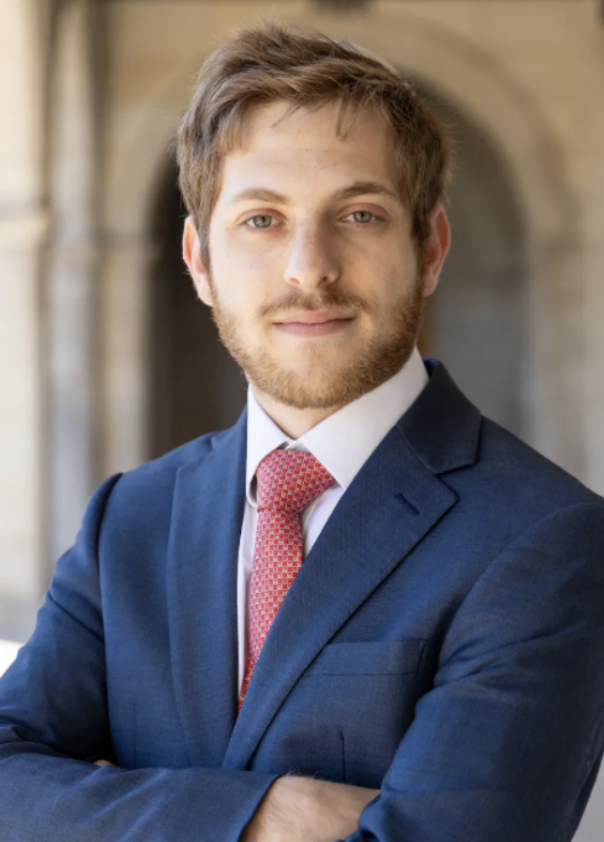
Jonathan Lewin is running for treasury representative. He is with the L.E.A.D treasury co-campaign, which has been endorsed by ACF, AIGA, AMC, APAMSA, Chabad Board, CSA, Film Club, Men’s Club Soccer, Men’s Club Volleyball, JSO, JOC, JSA, PUSO, VSA, WashU Club Swim, and WU Fuego. Their Instagram handle is @reelect_lead (photo courtesy of Jonathan Lewin)
SL: If you have served on SU before, what role did you hold and for how long? What did you accomplish?
JL: I’ve been on treasury since fall 2024, I’m a forms team chair, I’ve contributed substantially to balancing the budget and ensuring we’re not in a financial crisis, I’ve also ensured we have enough funding for student programming throughout the school year.
SL: What drove you to run for a SU position?
JL: I’m passionate about student programming on campus and want to ensure it runs smoothly and groups get enough funding to complete their goals.
SL: What relevant skills/experience make you a strong candidate for this role?
JL: I’ve been on both budget and activities committees, I’ve led a Budget Allocation Team and a Forms Team, I have significant institutional knowledge by being on Treasury for the past 5 semesters.
SL: What are you doing to prepare your campaign?
JW: I’m collaborating with some of my most trusted current treasury members to run a successful campaign, gathering endorsements from student groups, and advertising ourselves across campus.
SL: What issues do you feel are most relevant to students? How do you plan to address them?
JW: I feel ensuring the groups students are a part of maintaining funding to provide consistent programming throughout the semester is extremely important. I plan to, as a member of budget committee, ensure student groups get funding for large events and weekly programming and ensure we have enough money to support groups through rolling appeals.
Jacob Gragg – Class of 2030, he/him
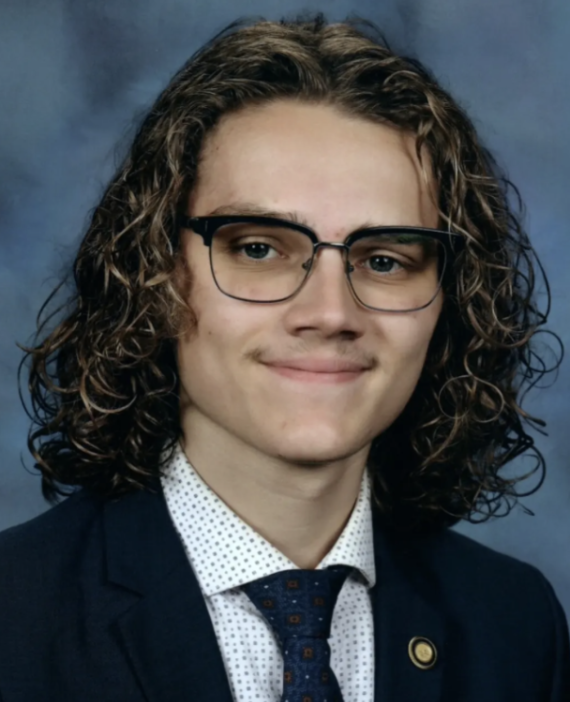
Jacob Gragg is running for treasury representative. He is endorsed by JOC, Ashoka, and WashU College Democrats. He is with the Renew SU co-campaign, and their Instagram handle is @renew.su (photo courtesy of Jacob Gragg)
SL: What drove you to run for a SU position?
JG: I care a lot about making sure that WashU can create a space for all students, and that starts with clubs and activities. This is where people find their community and build connections with other students. When these groups don’t have the necessary funding or assistance they need to reach out to those students, the community as a whole suffers. I want to make sure that all student-led groups have the necessary funds they need to thrive!
SL: What relevant skills/experience make you a strong candidate for this role?
JG: I care deeply about communication, transparency, and advocacy! In high school, I was the president of our National Honor Society and helped organize several fundraising events for both NHS and our speech and debate team. My high school was in a very low-income area; I have firsthand experience with what a lack of school resources can do to student-led programs and how that can constrain a club’s ability to engage with their community and achieve their goals. I want to help use WashU’s amazing resources to allow these student groups to thrive!
SL: What are you doing to prepare your campaign?
JG: I have been talking to different students as well as student groups on campus to learn what the biggest issues affecting them have been over this and last semester. I’ve also been getting involved around campus by going to events to get a better understanding of how SU’s decisions help shape what our student groups are able to do!
SL: What issues do you feel are most relevant to students? How do you plan to address them?
JG: Right now, interacting with SU Treasury can be slow and hard to navigate. I want to streamline the process of communication between treasury and student groups so that we can make it easier to file and get appeals from SU. I also want SU Treasury’s decision-making process to be more transparent so that student groups can understand the process underlying its appeals and fund allocation, as well as how SU itself operates!
Tyler Jensen-Eykamp – Class of 2030, he/him

Tyler Jensen-Eykamp is running for treasury representative. He is endorsed by WashU Satellite. His campaign Instagram handle is @tylerfortreasury (photo courtesy of Tyler Jensen-Eykamp)
SL: What drove you to run for a SU position?
TJ-E: I was driven to run for my position as I want to help improve the WashU student experience for everyone and ensure that student groups have the resources they need in order to serve the student body. In particular, I want to assist WashU’s build teams in having equal representation as I believe that while they accomplish amazing things, they have been economically under supported.
SL: What relevant skills/experience make you a strong candidate for this role?
TJ-E: While I am new to WashU and Student Union as a first year, I bring four years of student government experience, volunteering organizational experience, and sports leadership from my high school.
SL: What are you doing to prepare your campaign?
TJ-E: So far I have been reaching out to stakeholders in the WashU build team community as well as speaking with people in the broader community as a whole in order to better understand what I can do to improve the student experience if elected.
SL: What issues do you feel are most relevant to students? How do you plan to address them?
TJ-E: I feel that the most relevant recent issues affecting the WashU community involve distribution of student activity funds and rules surrounding tipping rules at Ibby’s. If elected, I would strive to be open to the community and ensure that all of my actions are driven by the needs of the WashU community. I would also ensure to take all actions I can to get the Ibby’s tipping rules reversed and ensure that students can properly show their appreciation for the driven people that keep this school running.
Clifton Chiang – Class of 2029, he/him
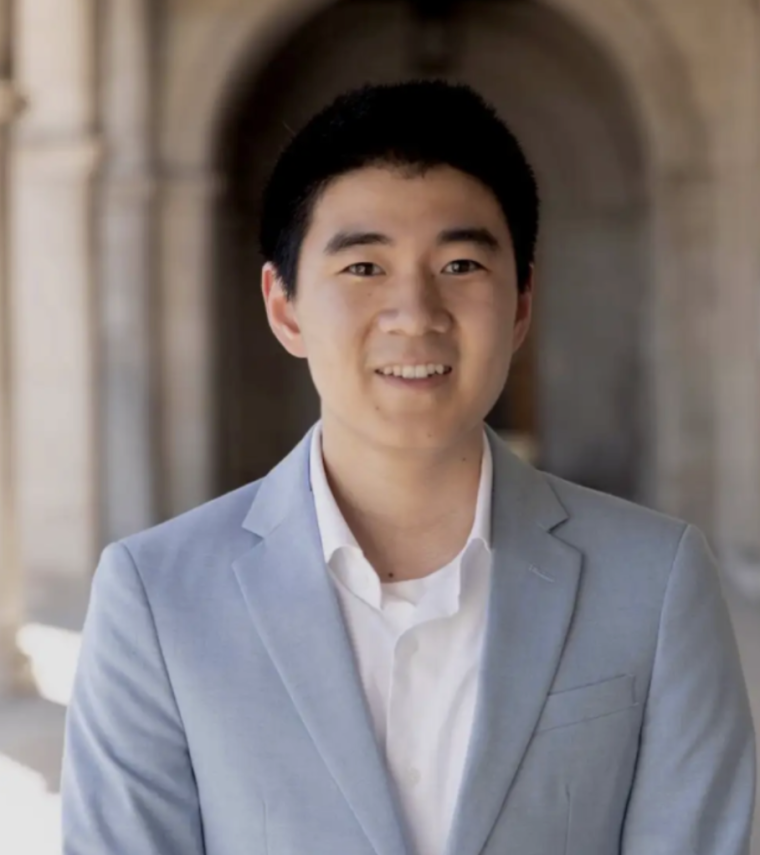
Clifton Chiang is running for treasury representative. He is with the L.E.A.D treasury co-campaign, which has been endorsed by ACF, AIGA, AMC, APAMSA, Chabad Board, CSA, Film Club, Men’s Club Soccer, Men’s Club Volleyball, JSO, JOC, JSA, PUSO, VSA, WashU Club Swim, and WU Fuego.Their Instagram handle is @reelect_lead. Individually, he is endorsed by WU Racing, WU Rocketry, Robotics, Chabad Board, PUSO, WashU VTOL, and WashU Satellite (photo courtesy of Clifton Chiang)
SL: If you have served on SU before, what role did you hold and for how long? What did you accomplish?
CC: I served on SU Treasury for the past year and have spent my time ensuring that student groups are all treated equitably in terms of funding. As one of a few representatives involved in performance based student groups I’ve also always worked to ensure that these groups are represented in Treasury!
SL: What drove you to run for a SU position?
CC: I decided to run for SU Treasury because I felt that it was a way for me to make a real difference for the student body! I’m running again because I’ve found that I was right and I’ve really enjoyed my time on the body!
SL: What relevant skills/experience make you a strong candidate for this role?
CC: Besides knowing a little too much about SU finance rules due to my experience on Treasury and as Treasurer of two student groups, my CliftonStrengths™ (named after me obviously) of Communication, Adaptability, & Relator help me work well with student groups and other representatives.
SL: What are you doing to prepare your campaign?
CC: I’m co-campaigning with L.E.A.D (Bennett Cuculich, Molly James, Ashley Ki, Jonathan Lewin, and Agrini Neekhra) so we’ve been working together to post on Instagram, print flyers, and get endorsements!
SL: What issues do you feel are most relevant to students? How do you plan to address them?
CC: Obvious topics that I can change from the side of Treasury mostly involve transparency and ensuring that groups know how the process of appealing works. I think it would be super cool if there could be walk through guides on Trello and the Instagram on different Treasury processes!
Minh Hoang – Class of 2030, he/him
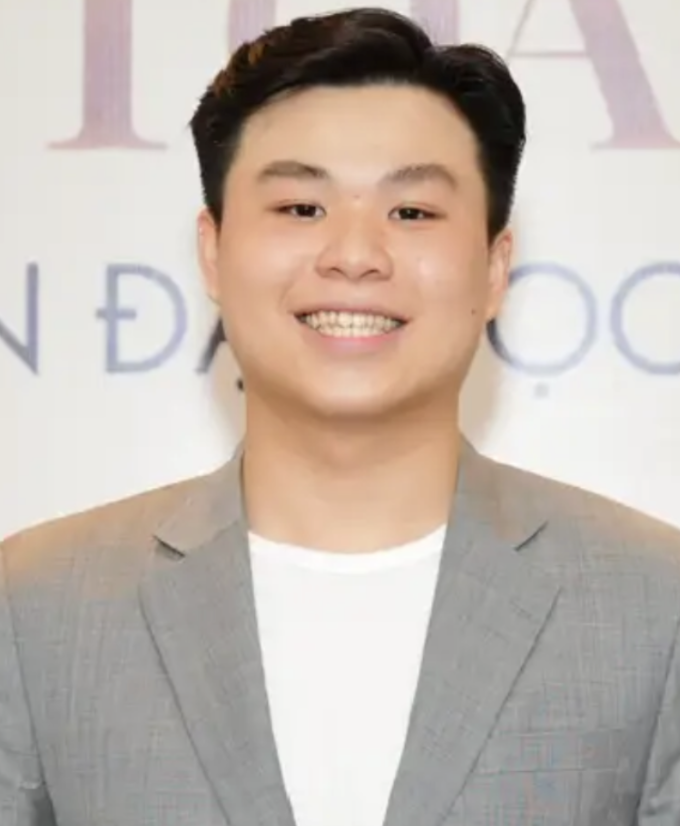
Minh Hoang is running for treasury representative (photo courtesy of Minh Hoang)
SL: What drove you to run for a SU position?
MH: I am new to SU, but driven by a belief that financial allocation requires empathy. As a former Student Council Head of Finance, I saw how funding shapes student life. I want to use my meticulous finance skills to empower WashU’s student groups to thrive without stress.
SL: What relevant skills/experience make you a strong candidate for this role?
MH: As a Finance major, former Student Council Head of Finance, and commercial trading intern, I have the meticulous budgeting skills required. More importantly, my “intellectual empathy” ensures I use these technical skills to center human needs and equitable access.
SL: What are you doing to prepare your campaign?
MH: I am analyzing past SU Treasury budget allocations and preparing accessible digital materials so I can hit the ground running the campaign.
SL: What issues do you feel are most relevant to students? How do you plan to address them?
MH: Students are frustrated by the stressful or sometimes inequitable club funding process. I plan to address this by simplifying Treasury guidelines, hosting pre-submission budget workshops, and acting as a proactive financial advisor so groups can focus on programming.
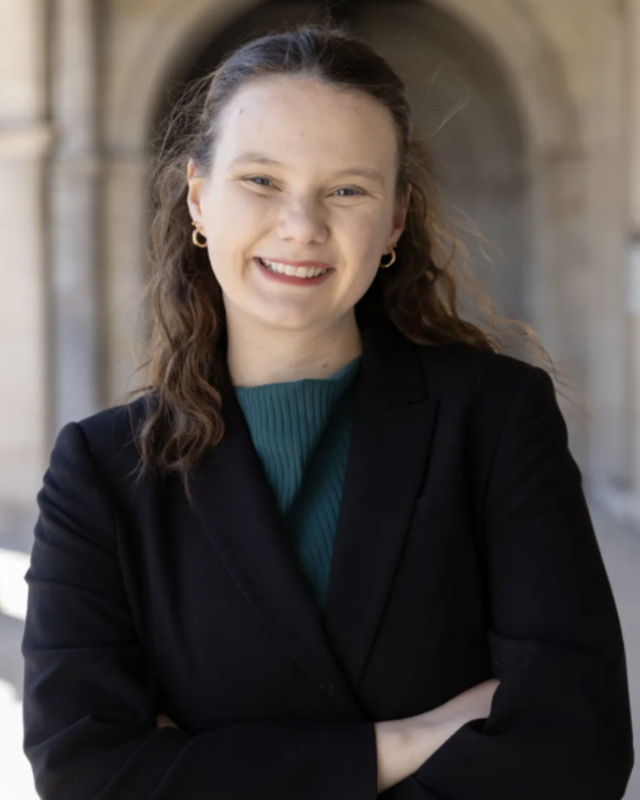
Molly James is running for treasury representative. She is with the L.E.A.D treasury co-campaign, which has been endorsed by ALAS, ACF, AIGA, AMC, APAMSA, Chabad Board, CSA, Film Club, Men’s Club Soccer, Men’s Club Volleyball, JSO, JOC, JSA, PUSO, VSA, WashU Club Swim, and WU Fuego. Their Instagram handle is @reelect_lead. Individually, she has been endorsed by College Democrats (photo courtesy of Molly James)
SL: If you have served on SU before, what role did you hold and for how long? What did you accomplish?
MJ: I have served as a Treasury Rep since Fall 2025. Last semester, I was the External Communications Chair in charge of running the Treasury Instagram. This semester, my fellow Treasury Reps elected me Budget Committee Chair. In that role, I worked with the VPF, the Speaker, and the other committee chairs to resolve difficult appeals and shape future SU budget policy to better support student groups’ planning and programming.
SL: What drove you to run for a SU position?
MJ: I first ran for SU because I admired how hard Reps worked to support student programming, and I wanted to be part of a team that makes a real impact on campus. I’m running again because I’ve come to really enjoy the behind-the-scenes work of reviewing price listings, budgets, account balances and past spending to prepare for appeals. It’s so rewarding to see events come to life knowing how much careful work Treasury put into funding them!
SL: What relevant skills/experience make you a strong candidate for this role?
MJ: I’m a strong Treasury Rep because I put myself in student groups’ shoes, speak up for fair and consistent treatment, and help keep our deliberations productive. I’m not afraid to challenge my fellow Treasury Reps when standards aren’t being applied consistently or when our procedural rules aren’t being followed. It’s important that Treasury builds better relationships with student groups. That’s why I’ve consistently advocated for more transparency and for Reps to be respectful towards student groups leaders when they come into session.
SL: What are you doing to prepare your campaign?
MJ: I’m co-campaigning with five other Treasury Reps. Together, we’ve been reaching out to student groups to share our campaign, explain our stances, and hear what they care about and want to see from SU. You can learn more about our group on Instagram at @reelect_lead.
SL: What issues do you feel are most relevant to students? How do you plan to address them?
MJ: When it comes to group programming, rising costs are the most relevant issue for students. Groups that travel are paying more for gas and airfare, groups that order products from other countries are paying more in tariffs, and groups that host cultural or religious celebrations are paying more for food. Essentially, everything has gotten more expensive for student groups, but SU’s budget hasn’t kept up! I plan to address this by first keeping rising costs in mind when setting financial policy and making it easier for student groups to find alternative fundraising sources. Then, I want to work with Treasury Reps and SU Exec to negotiate with university administration about the cap on SU’s budget growth. Currently, SU’s annual budget can only grow by $150,000 per year, so even when tuition goes up, SU doesn’t get a proportional increase in funding to support student groups. If re-elected, I will be a strong advocate for raising the cap or eliminating it entirely.
Willa Garschagen – Class of 2030, she/her
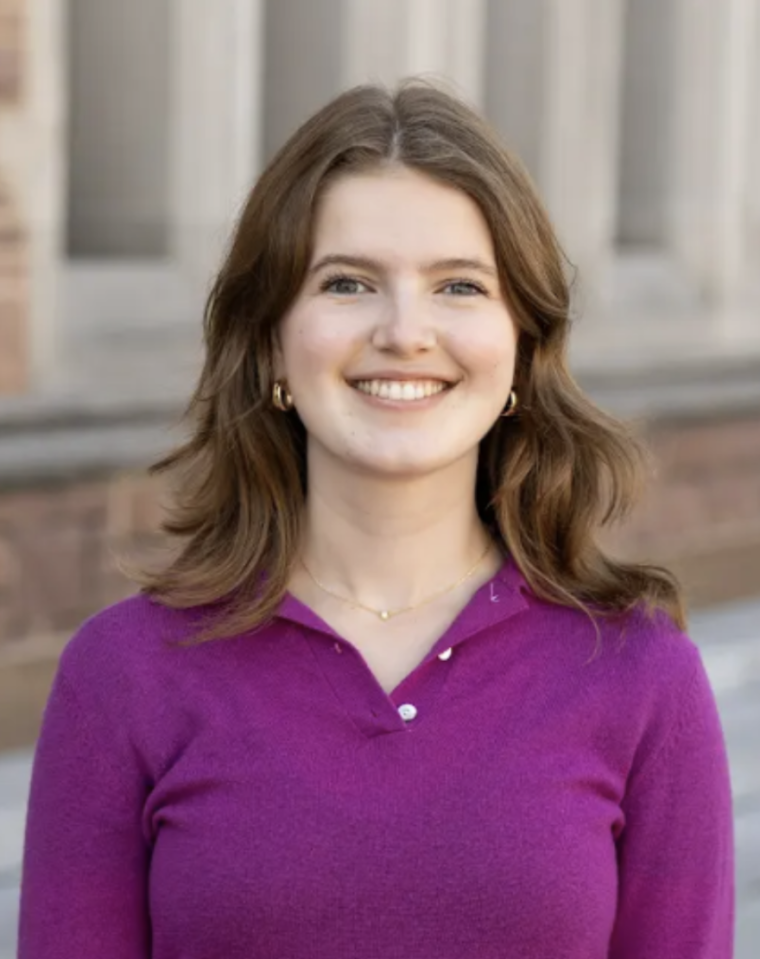
Willa Garschagen is running for treasury representative. She is co-campaigning with senate candidate Wyatt Nelson and is endorsed by HOSA and JSA. Her campaign Instagram handle is @willagfortreasury (photo courtesy of Willa Garschagen)
SL: What drove you to run for a SU position?
WG: Despite being new to SU, I was driven to run for a position by a desire to give back to my new WashU community. From the new friends I made in my dorm, in class and in club meetings, I have felt so welcome by such amazing people. I would love the opportunity to give back and use my experience to advocate for student voices.
SL: What relevant skills/experience make you a strong candidate for this role?
WG: As an intern with my Member of Parliament, and Canada’s Cabinet Minister of Youth and Children, I have had firsthand experience with youth advocacy. I organized and coordinated her Youth Council, which aimed at getting high school students across the constituency informed and engaged in federal politics. That experience, alongside many years of student government, which culminated in my role as Student Council Co-Chair, cultivated my passion for advocacy. I believe it is so important that student voices are heard, and as a SU Treasury representative, I would ensure that student groups also have a voice.
SL: What are you doing to prepare your campaign?
WG: In short, everything I can to engage with the voter base. I created a campaign Instagram account (@willagfortreasury) to share my views more widely. I started talking to everyone I know and many more that I don’t on the WashU campus. In addition to sharing my ideas for the SU treasury, I am asking for my peers’ input, because I believe that connecting with the community allows you to serve them best.
SL: What issues do you feel are most relevant to students? How do you plan to address them?
WG: I think the issue most relevant to students is how their activity fee (1% of our tuition, $356 per student, ~4.6 million dollars in total) is spent. I believe that we should balance the spend across funding student groups (affinity groups, club sports, and everything in between) and events that can bring the student body together (WILD, fun speakers, etc.). I think we should survey the student body to generate ideas and to see where the greatest interest lies. In addition, I propose clubs submit mid-semester funding reports, in order to make sure that every dollar of your activity fee is being used, and used well.
Thomas Lu – Class of 2029
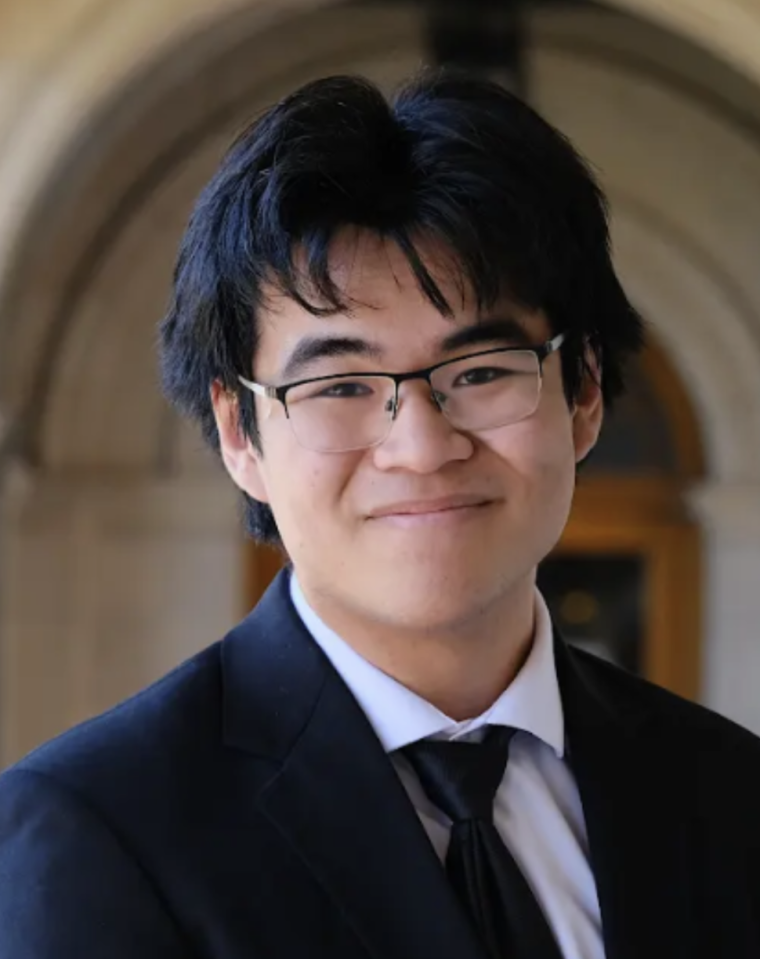
Thomas Lu is running for treasury representative. He is endorsed by College Democrats, Ashoka, Jewish on Campus, and Association of Latin American Students (ALAS) (photo courtesy of Thomas Lu)
SL: What drove you to run for a SU position?
TL: Student Union should work for you. I’ve experienced firsthand as the Treasurer for Phi Delta Phi how confusing and bureaucratic SU’s funding processes can be. I believe that student leaders should spend more time advancing their organizations’ missions and less time navigating administrative barriers. Whether that means simplifying procedures, improving communication, or advocating for equity resources, my goal is to ensure every organization has a fair opportunity of success.
SL: What relevant skills/experience make you a strong candidate for this role?
TL: My experience as Phi Delta Phi’s Treasurer has given me a practical understanding of the challenges leaders face when interacting with SU. Managing an organization’s finances has taught me the importance of planning ahead and communicating clearly, but it’s also given me perspective on how Treasury policies affect student organizations in practice. My goal is to approach funding decisions with empathy for the organizations that rely on those funds.
SL: What are you doing to prepare your campaign?
TL: I’m preparing my campaign by developing a platform centered on three priorities: transparency, accessibility, and fiscal responsibility. I’m focusing on practical improvements to advocate for the students who interact with Treasury, including clearer guidelines, more efficient appeals, and greater awareness and transparency with SU resources.
SL: What issues do you feel are most relevant to students? How do you plan to address them?
TL: Some of the most pressing issues facing students are uncertainty with the current processes. I want to advocate for clearer funding guidelines and more accessible resources so that organizations, regardless of size or experience with SU, can confidently navigate the funding process. Our student organizations strengthen our campus community and I plan to help by supporting more proactive financial planning to prevent unexpected restrictions throughout the academic year.
Faith Chi – Class of 2030, she/her
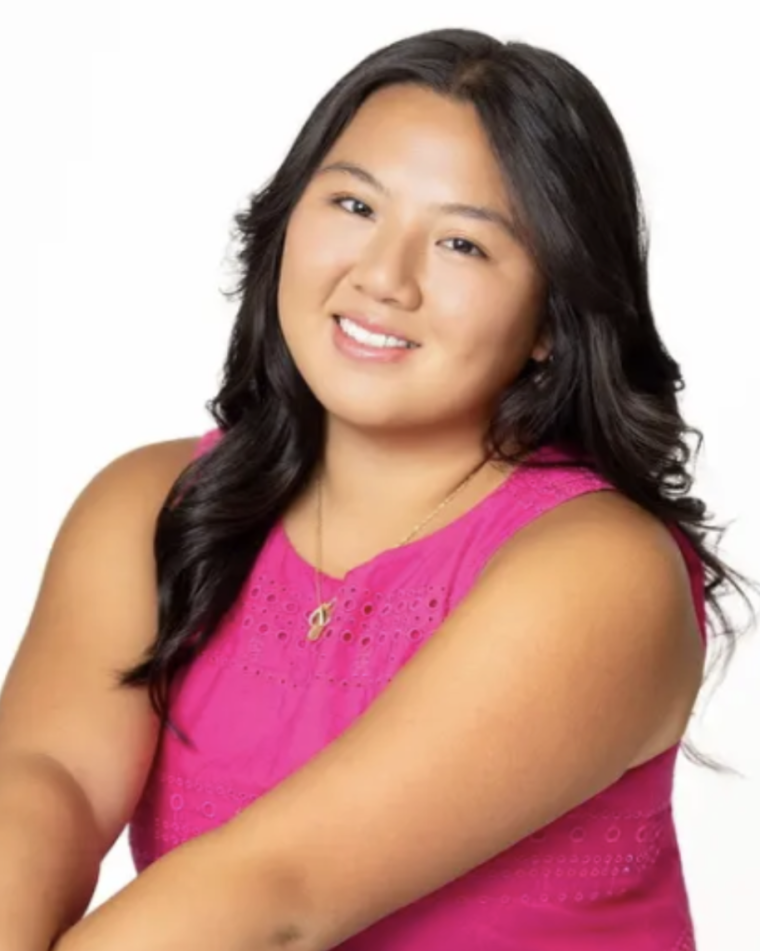
Faith Chi is running for treasury representative. She is co-campaigning with senate treasury representative candidate Apurva Ganti, and they are endorsed by Raise. Their campaign Instagram handle is @faith_apurva_forsutreasury (photo courtesy of Faith Chi)
SL: What drove you to run for a SU position?
FC: I was driven to run for an ArtSci Council position because of the sense of community I experienced when speaking with current members about their involvement. What stood out to me was how much of an impact council members can have on the student organizations they represent. I was particularly drawn to treasury because I see it as more than just managing finances. It is an opportunity to understand the needs of different organizations, advocate for equitable access to funding, and help ensure that student groups have the resources they need to grow. I want to be involved in the behind-the-scenes work that allows these organizations to create meaningful experiences for students.
SL: What relevant skills/experience make you a strong candidate for this role?
FC: Through my involvement with UNICEF at WashU as an Event Coordinator and Volunteer Outreach member, I have gained experience coordinating events, communicating with members, and organizing initiatives that bring people together. Additionally, my experience with the American Cancer Society’s Cancer Action Network has strengthened my advocacy, fundraising, and organizational skills. I have also helped organize fundraisers that raised over $1,000 for cancer research and prevention. These experiences have taught me the importance of accountability, communication, and making the most of available resources. I would bring these skills to Treasury while remaining eager to learn and understand the financial needs of WashU organizations.
SL: What are you doing to prepare your campaign?
FC: I have been preparing by speaking with students and current SU Council members to better understand their experiences, priorities, and areas where they feel improvements could be made. I have also been working to develop clear campaign goals centered on equitable funding, transparency, and stronger communication between the treasury and student organizations. Through creating campaign materials and reaching out to students, I hope to make my platform accessible and give people a clear understanding of what I hope to accomplish.
SL: What issues do you feel are most relevant to students? How do you plan to address them?
FC: I think one of the biggest issues facing student organizations is having equitable access to funding and feeling that their needs are being heard. Smaller or newer organizations may not always have the same resources or experience navigating funding processes as more established groups. I want to help make funding more accessible by improving communication, providing clearer information about application processes and expectations, and ensuring organizations receive timely updates. I also believe there should be more opportunities for organizations to communicate their needs and receive feedback from treasury.
Pranav Pamadurthi – Class of 2030, he/him

Pranav Pamadurthi is running for treasury representative. He is with the StayTrue.SU co-campaign. Their campaign Instagram handle is @staytruesu. He is endorsed by Ashoka, ACAC (Acapella Advisory Council), Sur Taal Laya, 180 Degrees Consulting, and College Democrats (photo courtesy of Pranav Pamadurthi)
SL: What drove you to run for a SU position?
PP: I want to contribute to the process that ensures WashU’s student groups receive enough financial support to create their envisioned impact on the community.
SL: What relevant skills/experience make you a strong candidate for this role?
PP: Skills: Verbal Communication, Digital Communication, Advocacy, Collaboration,
Experience: I have experience with the funding, appeals, and spending processes when planning events as an Undergraduate Representative of Ashoka. With this experience, I noticed some things that could be improved with these processes that I address in my campaign. I also have a lot of experience/insight as the founder of the first south asian club at my high school and as a treasurer of its orchestra that I hope will prove useful when serving as a Treasury Representative.
SL: What are you doing to prepare your campaign?
PP: I formed a [co-campaign] called StayTrue, SU. With my [co-campaign], I’ve been promoting our campaign on Instagram as well as printing flyers that can be found on approved WashU bulletin boards. Our [co-campaign] will also have a “Meet The Candidates” on the South 40 and The Village where any student can learn more and ask questions about our campaign! IG: staytruesu.
SL: What issues do you feel are most relevant to students? How do you plan to address them?
PP: I want to ensure funding is equitable and accessible to all of the student groups at WashU. This way, the WashU’s ideas and identities are financially supported to create impact. Additionally, the language on the appeals guidelines could be more clear so less student groups are confused, and more communication can be mandated and expanded to mitigate uncertainty. Therefore, students will be more comfortable when submitting appeals and asking questions, fostering a better relationship between SU Treasury and the student groups of WashU.
Bennett Cuculich – Class of 2029, he/him

Bennett Cuculich is running for treasury representative. He is with the L.E.A.D treasury co-campaign, which has been endorsed by ALAS, ACF, AIGA, AMC, APAMSA, Chabad Board, CSA, Film Club, Men’s Club Soccer, Men’s Club Volleyball, JSO, JOC, JSA, PUSO, VSA, WashU Club Swim, and WU Fuego. Their Instagram handle is @reelect_lead (photo courtesy of Bennett Cuculich)
SL: If you have served on SU before, what role did you hold and for how long? What did you accomplish?
BC: I have served as a Treasury Representative for two semesters. I served on both the Budget and Activities Committees. On the Budget Committee, I helped review and fund groups’ annual budget requests. These decisions set precedent for Fiscal Year 2027 and allowed groups to fund their baseline expenses. On the Activities Committee this year, I approved new groups and category changes, determining which groups provide distinct and meaningful opportunities for students. I also had the privilege of serving as a Form Appeal Team Chair. In this position, I led a team of 7 Treasury Reps to complete appeal recommendations for requests over $1,000. During my time on Treasury, I heavily advocated for cultural and faith-based groups, pushing for full funding for events from Ashoka, CSA, AAA, JSO, and many more, because I know how much these communities mean to students on campus.
SL: What drove you to run for a SU position?
BC: I initially ran for Treasury because I wanted to be a part of what makes student groups possible. My experience has taught me how much passion students have for their clubs and the sheer amount of effort they put in. Having the ability to support that work, and to see groups bring their events and ideas to life, has been one of the most rewarding parts of my time at WashU. I’m running again because I want to continue supporting groups while also changing overall student sentiment towards Treasury and SU. Currently, Treasury is seen as a hurdle, and many groups feel frustration with the experience as a whole. I want to change this by building real relationships between Reps and the clubs we fund so groups see Treasury as a partner in fulfilling their mission.
SL: What relevant skills/experience make you a strong candidate for this role?
BC: Being a Form Appeal Team Chair taught me how to keep a group organized while delivering accurate and on-time recommendations. Navigating when to hold my team accountable while also balancing personal circumstances such as exams or other commitments taught me to be a flexible leader. If someone on my team needed a break or couldn’t get to an appeal, I took it on myself. I learned this same balance this past summer during my work at a camp for children with severe autism. A defined routine was essential for the kids to feel most comfortable. However, campers’ needs changed on a daily basis, and adjusting to them taught me how to adapt without losing structure. I can apply these experiences to Treasury. Most requests follow a set process, but some groups need a closer look. Knowing how to allocate the right amount of time and attention to each one, without slowing down the rest of the process, is what I hope to bring to Treasury.
SL: What are you doing to prepare your campaign?
BC: I am running as part of a co-campaign called L.E.A.D. (Leading with Experience And Diversity) alongside Jonathan Lewin, Agrini Neekhra, Molly James, Ashley Ki, and Clifton Chiang. We’ve been reaching out to student groups for endorsements and using those conversations to hear their perspectives and talk about SU. We’ve also been flyering across campus and running an Instagram account, @reelect_lead, where we share our endorsements and what we stand for.
SL: What issues do you feel are most relevant to students? How do you plan to address them?
BC: The two issues I want to focus on most are how groups see Treasury and how equitable funding is for newer groups. Right now, a lot of groups see Treasury as a roadblock. That’s mostly because groups only hear from Treasury when they submit a request or get a decision back, causing every interaction to be filled with stress. To fix this, I would advocate for Treasury Reps to show up to group events and get to know club leaders outside of funding. When groups see us at their events and know us by name, Treasury stops being just the place decisions come from. In addition, I would like to include a year-round feedback form at the bottom of all Treasury emails, allowing groups to voice their concerns at any time. Another problem I want to tackle is providing equitable funding to newer groups. Groups with experienced leaders usually write the strongest requests and, in turn, get the most funding. By having Treasury Reps walk new groups through the process, we could help to ease the learning curve and give them a friend in Treasury right off the bat.
Garret Flack – Class of 2029, he/him
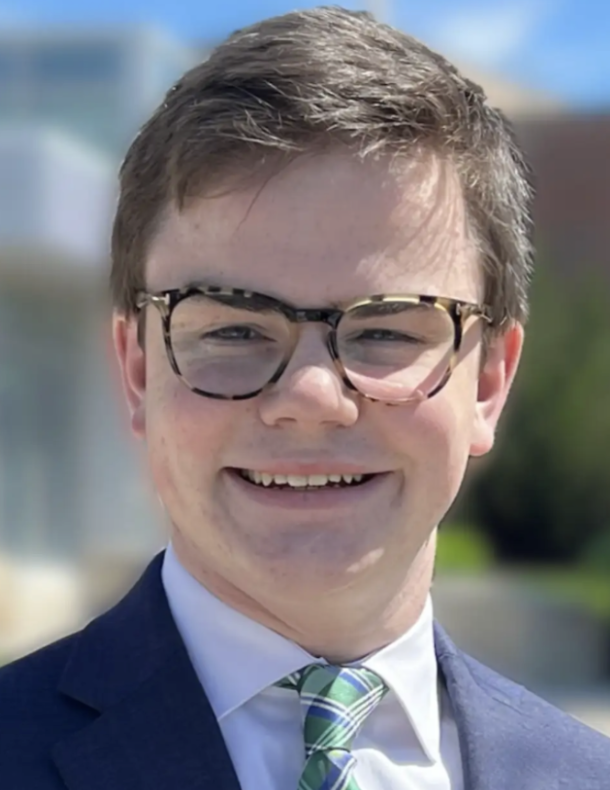
Garret Flack is running for treasury representative. He is with the Renew SU co-campaign, and their Instagram handle is @renew.su. Individually, he is endorsed by College Democrats, ACAC, Ashoka, and JOC (photo courtesy of Garret Flack)
SL: What drove you to run for a SU position?
GF: As a current student group treasurer, I’ve seen how difficult it can be to file appeals, submit reimbursements, and ensure student groups are funded. After talking to several other student group treasurers, I know that I’m not alone in that frustration. What drove me to run for this position was the desire to make SU more efficient, transparent, and equitable, so that all student groups can get the funds they need.
SL: What relevant skills/experience make you a strong candidate for this role?
GF: As a current student group treasurer, I’ve acquired many of the skills necessary to be a Treasury Representative. Whether it’s filing appeals through WUGO, submitting reimbursements through Workday, or interacting with the Treasury Trello board where all account balances are kept, I am already familiar with the processes involved in being a Treasury Representative. Further, as the former President of HIG Community Council, I’ve had the opportunity to advocate for my residents, a skill that I will use to advocate for the entire student body as a Treasury Representative.
SL: What are you doing to prepare your campaign?
GF: To prepare my campaign, I’ve been meeting with students and student groups to hear about what issues are affecting them on campus. This will allow me to better communicate my message and platform to the student body, but it also means that I can begin acting on the issues that matter to WashU students on day one, becoming a voice for those who elected me.
SL: What issues do you feel are most relevant to students? How do you plan to address them?
GF: I’ve heard several issues that are relevant to students across campus. First, students want an easier pathway to becoming a club that can receive appeals and flat funding from SU Treasury. Second, students want more efficiency from Treasury, making the process of getting the funding they need faster. Third, students want more transparency in funding and categorization, ensuring that SU is able to support all student groups, including engineering. Finally, students want more equitable distribution of funds from SU Treasury. I plan to address these concerns by working to cut down on unnecessary and redundant steps in receiving funding, expanding communication with students and student groups, and making policies, procedures, and precedents publicly accessible.
Ashley Ki – Class of 2029, she/her
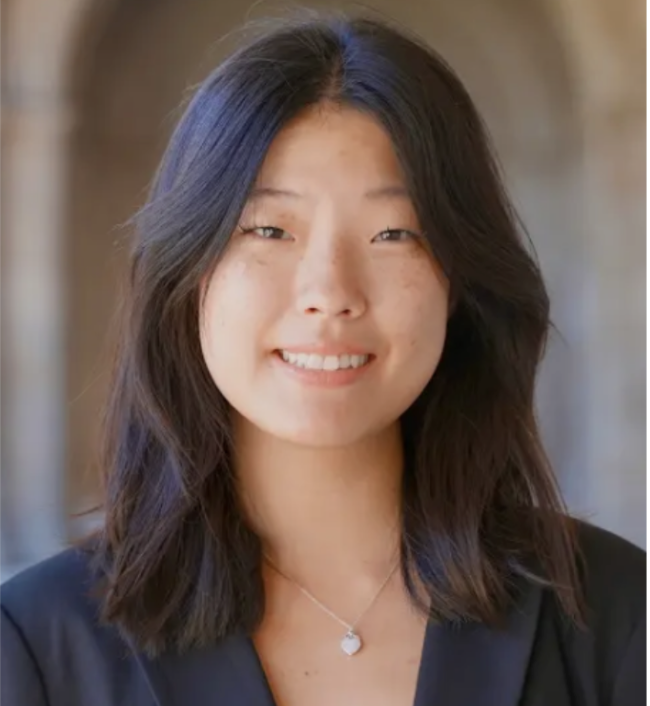
Ashley Ki is running for treasury representative. She is with the L.E.A.D treasury co-campaign, which has been endorsed by ALAS, ACF, AIGA, AMC, APAMSA, Chabad Board, CSA, Film Club, Men’s Club Soccer, Men’s Club Volleyball, JSO, JOC, JSA, PUSO, VSA, WashU Club Swim, and WU Fuego. Their Instagram handle is @reelect_lead. Individually she has been endorsed by KSA (photo courtesy of Ashley Ki)
SL: If you have served on SU before, what role did you hold and for how long? What did you accomplish?
AK: I served as a Treasury Representative this Fall ’26 semester. In this role, I help oversee the allocation of approximately $4.85 million in funding to student organizations across WashU. I have contributed to reviewing funding requests and appeals and ensuring that funding decisions are fair and aligned with student needs. Through this position, I have gained a better understanding of the financial responsibilities behind student programming and the importance of balancing limited resources while supporting a diverse range of student organizations.
SL: What drove you to run for a SU position?
AK: I wanted to become more involved in shaping the undergraduate experience at WashU. Through my involvement in student organizations, I saw how important funding is to creating opportunities and building community. I wanted to help ensure that all student groups have equitable access to the resources they need to succeed.
SL: What relevant skills/experience make you a strong candidate for this role?
AK: I bring strong organizational and communication skills through my experience as a Treasury Representative and undergraduate researcher at WashU. My research experience has strengthened my attention to detail and sense of responsibility when handling complex tasks. Additionally, my involvement in student organizations and community outreach has taught me how to collaborate with diverse groups and consider different perspectives when conversing and making decisions.
SL: What are you doing to prepare your campaign?
AK: I am preparing by refining my platform and identifying areas where Treasury can improve, particularly in communication and transparency with student organizations. I also plan to connect with other student groups to better understand their funding needs and concerns so that my campaign reflects the perspectives of the broader undergraduate community.
SL: What issues do you feel are most relevant to students? How do you plan to address them?
AK: I think some of the most relevant issues are transparency in funding decisions and communication between Treasury and student organizations. I want to make the funding process more approachable by improving communication and ensuring student groups understand how to navigate the process. I also hope to listen to student feedback and use it to make funding decisions more responsive to the needs of the undergraduate community.
Rik Chaudhuri – Class of 2030, he/him
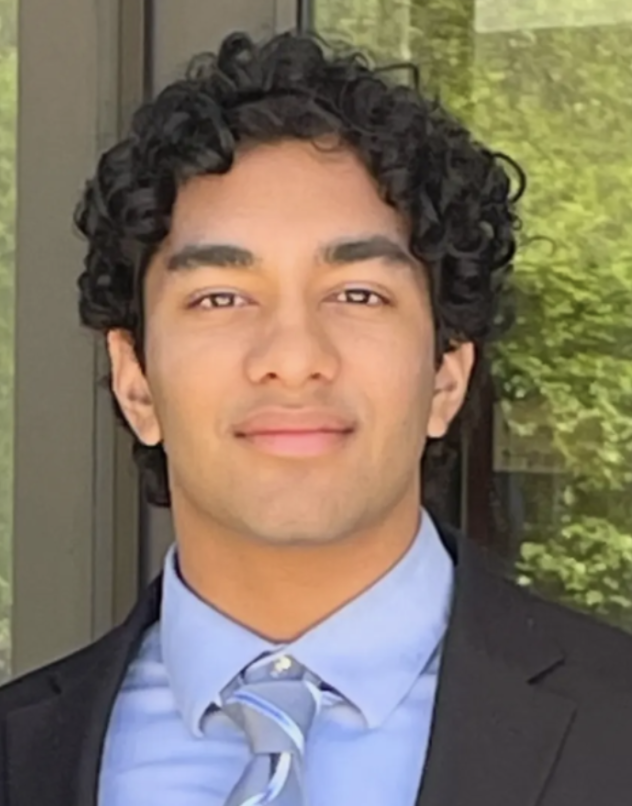
Rik Chaudhuri is running for treasury representative. He is with the StayTrue.SU co-campaign. Their campaign Instagram handle is @staytruesu (photo courtesy of Rik Chaudhuri)
SL: What drove you to run for a SU position?
RC: I am interested in joining Student Union Treasury because I want to combine my passion for finance with my commitment to improving student life. Through my involvement in organizations like Ashoka and club sports, I’ve seen how important funding is to bringing student initiatives to life, and I want to help make those opportunities accessible to everyone.
SL: What relevant skills/experience make you a strong candidate for this role?
RC: I have significant experience managing investments and making financial decisions, which has taught me the importance of responsible resource allocation. I am also an accomplished public speaker, and my involvement in Ashoka and club sports has given me firsthand experience with student organizations and the challenges they face.
SL: What are you doing to prepare your campaign?
RC: I am connecting with student organizations, seeking endorsements and learning what issues that matter most to the student body. I am also familiarizing myself with Treasury’s responsibilities and funding processes to ensure my campaign focuses on realistic and actionable improvements.
SL: What issues do you feel are most relevant to students? How do you plan to address them?
RC: I believe equitable funding and transparency are especially important. I want to advocate for objective and data-driven funding decisions that reflect organizations’ needs and potential impact, while making the budgeting and appeals processes easier to navigate, particularly for smaller student groups. With $4.8 million allocated across over 350 student groups, Treasury has a significant responsibility to the student body. My goal is to ensure those resources are distributed fairly, while making Treasury more accessible and accountable to the organizations it serves.
Agrini Neekhra – Class of 2030, she/her
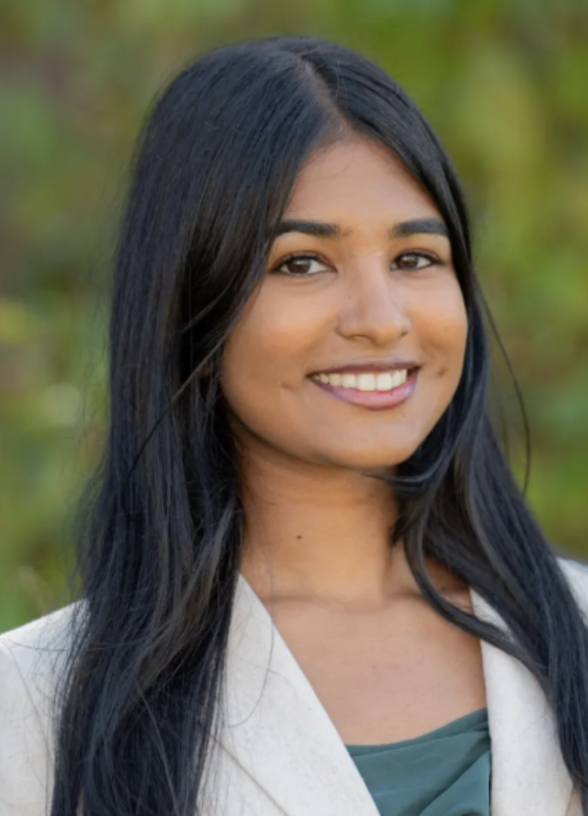
Agrini Neekhra is running for treasury representative. She is with the L.E.A.D treasury co-campaign, which has been endorsed by ALAS, ACF, AIGA, AMC, APAMSA, Chabad Board, CSA, Film Club, Men’s Club Soccer, Men’s Club Volleyball, JSO, JOC, JSA, PUSO, VSA, WashU Club Swim, and WU Fuego. Their Instagram handle is @reelect_lead (photo courtesy of Agrini Neekhra)
SL: If you have served on SU before, what role did you hold and for how long? What did you accomplish?
AN: I am an incumbent Treasury Representative and served this fall semester after being appointed. I advocated transparent, equitable funding this semester for a diverse array of groups through open-minded questioning and detailed appeals review. I also served on the Activities Committee, working to promote and support 20+ new student groups and meeting with 15 groups to discuss their missions and needs.
SL: What drove you to run for a SU position?
AN: Equitable funding is representing the entire student body and communicating with groups to fully understand what their programming signifies to them. I want to advocate for open-minded discussion in Treasury sessions and informed consideration of diverse needs and perspectives. I hope to build on my experience advocating for transparent, equitable funding, making financial support accessible. I want to connect with student groups, understand their missions and needs, and help the diversity and passion they bring to WashU thrive.
SL: What relevant skills/experience make you a strong candidate for this role?
AN: I have strong experience in the appeals review process and understand the financial complexities of groups’ needs. Through detailed expenditure review and clarifying questions, I have been able to advocate for fair support in travel-related expenses and equipment funding. My experience in meeting with diverse, new groups through Activities Committee has given me the skills to be a strong communicator and act as a liaison between student groups and Treasury.
SL: What are you doing to prepare your campaign?
AN: I am speaking with various student organizations, both that Treasury has worked with this semester and also aims to connect with in the future, alongside my co-campaign LEAD. By connecting with these groups and offering my support and goals, I am building a campaign that aims to represent the entire student body and equitably fund for inclusive programming.
SL: What issues do you feel are most relevant to students? How do you plan to address them?
AN: Funding precedents and rationale can be difficult to understand and access. I will promote transparency by clearly communicating new precedents, updates, and decisions, while building stronger relationships with groups to help them navigate Treasury policies and advocate for their programming. I would also work to help student groups be best prepared when appealing to Treasury, helping groups to track attendance and collect data representing their needs. Additionally, new groups can feel unsupported after being SU-recognized, and I will build close relationships with groups even after reaching new-group status. Through regular meetings with groups and surveys, I hope Activities Committee will bring close support and resources to the diverse, passionate student groups at WashU.
Rishi Gokhale – Class of 2029, he/him
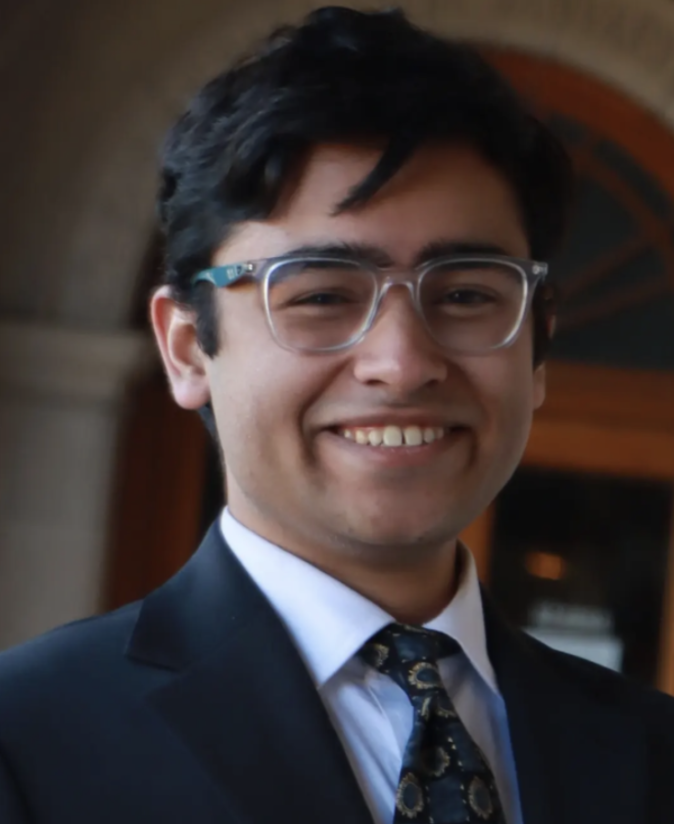
Rishi Gokhale is running for treasury representative. He is with the Renew SU co-campaign, and their Instagram handle is @renew.su (photo courtesy of Rishi Gokhale)
SL: If you have served on SU before, what role did you hold and for how long? What did you accomplish?
RG: I have served as a Student Union Treasury Representative for the past semester. During this time, I served as the lead co-sponsor on a statute reform bill which eliminated Student Union’s ability to arbitrarily fine student groups. I also served as the lead co-sponsor on the constitutional amendment to transition student groups away from block funding and towards more sustainable long-term funding solutions. This was in addition to conducting the usual work on Treasury reviewing appeal requests.
SL: What drove you to run for a SU position?
RG: I am running for re-election in SU Treasury because I think there are very simple fixes that I’d like to try implementing which can improve the body. Being clearer with student groups on the topics that Treasury is focused on (for example student group growth and university administration policies during this past semester) can help student groups better understand our rationale for appeals. Clearer publication of our precedents and changes to them can also help.
SL: What relevant skills/experience make you a strong candidate for this role?
RG: As an incumbent Treasurer, I have already had the chance to work with student groups to effectively allocate Student Union funds and advocate on behalf of student priorities. Being a Treasurer requires effective teamwork, strong communication, and the ability to make tough decisions. I’ve served a leading role in reforming Student Union as the head co-sponsor on two major Treasury bills. One of these eliminated SU’s ability to arbitrarily fine student groups. The other brings a constitutional amendment to the ballot on the future of block funding. I really enjoy working with other people, and being able to hear the perspectives of different students and work with other Treasurers has been both rewarding and fun!
SL: What are you doing to prepare your campaign?
RG: Over the past semester on Treasury, I’ve had the chance to hear from various student groups on the projects and events which they are most passionate about. I’ve really enjoyed this experience, and hope to continue serving as a Treasurer in the coming year. Over the past couple weeks, I’ve continued hearing from students and student groups on their priorities. Ensuring every group gets a fair share of the activity fee; advocating for students when university administration policies get in the way; ensuring that university funding and alternative sources for money are viable; reforming Treasury procedure; and maintaining efficient funding practices continue to be priorities for me.
SL: What issues do you feel are most relevant to students? How do you plan to address them?
RG: We all only have a limited amount of time on campus, and we each pay into the student activity fee. Ensuring that all students are able to enjoy their fair share of the activity fee and get as much benefit out of it during their time at WashU is the most important issue which Treasury can directly address. To meet that mission, Treasury must continue finding ways to make life easier and clearer for students and student groups. I’ve already led this effort by being the lead co-sponsor on both bills heard by Treasury this semester. One of those bills eliminated SU’s ability to arbitrarily fine student groups. The other brings to the ballot a constitutional amendment on transitioning block funding groups towards long-term sustainable funding. In the coming year, I will make Treasury more transparent by pushing for a streamlined Treasury questioning / funding process, clearer communication on precedent, and a category system reform to make it easier for groups to access the funding they need.
Vaagi Shukla – Class of 2030, she/her
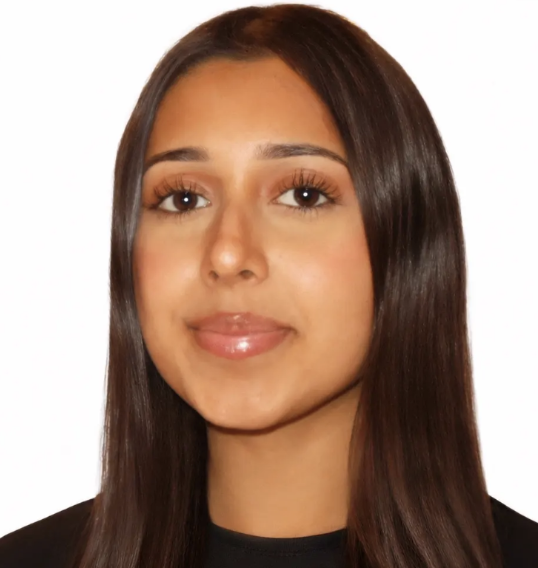
Vaagmi Shukla is running for treasury representative. She is with the StayTrue.SU co-campaign. Their campaign Instagram handle is @staytruesu (photo courtesy of Vaagmi Shukla)
SL: What drove you to run for a SU position?
VS: I’ve seen how grant decisions affect nonprofits and student groups, and I’ve learned that clear reasoning matters as much as the money itself. Right now, I keep hearing that the process feels confusing and unpredictable. I want Treasury to clarify its decisions to the groups that they affect.
SL: What relevant skills/experience make you a strong candidate for this role?
VS: I co-chaired Youth in Philanthropy, where I directed a grant process for nonprofits fighting poverty and food insecurity. I co-led the reviews and financial due diligence, then helped raise $10,000 for those organizations. As a Massachusetts HOSA State Officer, I led 3,000+ members and secured sponsors for statewide events. Those roles taught me how to read a budget, weigh requests fairly, and find outside support. As Ashoka’s social chair, I plan events and manage funds for our cultural community, which has taught me a lot about optimizing and negotiating a limited budget at a collegiate-club level.
SL: What are you doing to prepare your campaign?
VS: I’ve been posting on social media to reach students, specifying issues in Treasury that have not been recognized by many student groups, such as the lack of funding for certain student groups. I’m also meeting with student organizations to hear what they need. Some groups tell me they’re unsure how to request funding, and others say the process takes too long. To learn how Treasury works from the inside, I’m talking to people who have served on it.
SL: What issues do you feel are most relevant to students? How do you plan to address them?
VS: Most students don’t know how much of SU’s $4.8 million reaches student groups, or why some groups receive more than others. This year, service groups got 22% of what they requested, and social justice groups got no upfront funding. Those gaps in funding make a huge difference matter to students who depend on SU funds. I’d publish a synthesis after every funding cycle so groups can see the reasoning behind allocation decisions. I’d also ask Treasury to explain the gaps openly and make the appeals process clearer and fairer, so every group knows how to ask for help, through systems such as Treasury workshops open to all student groups interested.
Pranaya Shankar – Class of 2030, she/her
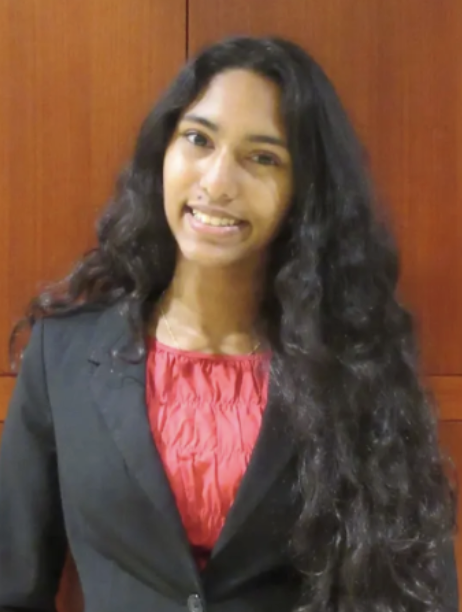
Pranaya Shankar is running for treasury representative. She is with the StayTrue.SU co-campaign. Their campaign Instagram handle is @staytruesu. Individually, she is endorsed by Ashoka (photo courtesy of Pranaya Shankar)
SL: What drove you to run for a SU position?
PS: I was inspired to run for the SU Treasury to ensure that student group funding is handled in a way that best represents the interests of the students over any other priorities. I believe that long chains of communication can lead to a misalignment of resources, so I want to make the appeal process clearer and more direct for student groups. This involves creating new, less formal avenues for student groups to request changes that involve more teamwork with the SU treasury so we can fix the problems that students truly need solved. It also means making the language clearer on the existing appeal form and encouraging student groups to fill it out for any requests they might have.
SL: What relevant skills/experience make you a strong candidate for this role?
PS: As the Communications and Culture Chair of my competitive debate team featuring over 30 members, I gained vast experience evaluating and responding to student appeals. While these appeals were largely social in nature, I had to assess their requests and our resource availability to assign extensions and other grants. Furthermore, I was also a National Honors Society Officer and member of my school’s Principal’s Advisory Board where we deliberated how to distribute funding towards potential projects. These skills will carry over as a SU Treasury representative when I discuss funding appeals from student groups with others and make unbiased and realistic decisions that best support the interests of our student body.
SL: What are you doing to prepare your campaign?
PS: In an effort to publicize my campaign, I formed a co-campaigning group named StayTrue SU with 4 other members. We formed an Instagram account and created flyers to get our message out and encourage the people who align with our goals to vote for us. Furthermore, we have reached out to various student groups on campus for endorsements by demonstrating our commitment to protecting their interests. Once the polls are released, we will encourage our supporters to elect StayTrue for a transparent SU Treasury that focuses on the needs of the students.
SL: What issues do you feel are most relevant to students? How do you plan to address them?
PS: I feel the most relevant issues for our student-groups on campus involve receiving consistent funding that allows them to keep their members engaged and supported. While the SU Treasury already does an excellent job of providing groups who have one big event with the funding to make it memorable, that is often the extent of the financial support given. I believe these groups’ requests should be taken into consideration more seriously even after their larger event is over, and student groups that don’t have any singular notable event should receive equal consideration as well. I plan to mitigate this issue by making a more accessible and less formal form for student groups to request change or support for their smaller events and needs. This way the existing appeal form will still exist, but there is also an easier avenue for student groups to request and receive aid more consistently.
Braylon Hinton – Class of 2029, he/him
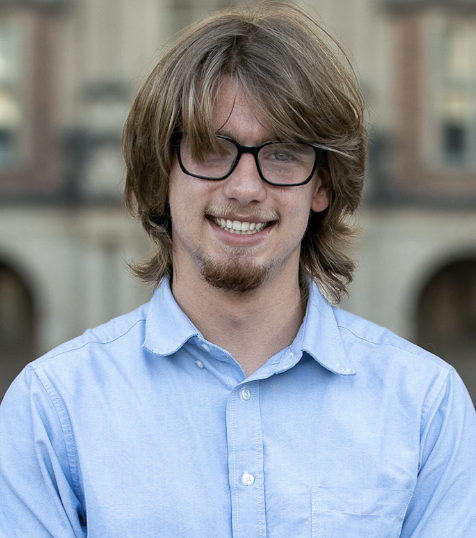
Braylon Hinton is running for treasury representative (photo courtesy of Braylon Hinton)
SL: What drove you to run for a SU position?
BH: I’m running because student organizations deserve a Treasury that empowers them, not one that creates additional stress. Having navigated the funding process myself, I want to make funding more accessible, transparent, and reliable so groups can focus on building community.
SL: What relevant skills/experience make you a strong candidate for this role?
BH: As the QuestBridge Scholars Network Treasurer, I have already worked alongside SU to fund events for 260+ scholars, including our Welcome Event and Quest Day. I’ve also helped secure $10,000+ of funding for a candidate recently elected into the House of Representatives and helped manage the MACURH Regional Leadership Conference at WashU, which hosted 150+ delegates, by coordinating with other conference chairs.
SL: What are you doing to prepare your campaign?
BH: I am working with student groups I am familiar with to receive endorsements. I am also using word of mouth and Instagram to post stories and get my friends, classmates, clubmates, and anyone else who will listen to my speech.
SL: What issues do you feel are most relevant to students? How do you plan to address them?
BH: I know too well how frustrating or stressful the funding process can be as a student group leader. As Treasurer, I want to step away from the overly cautious allocations of the past so groups can grow and build community. I will publish clear funding guidelines, speed up decisions, and make SU Treasury more reliable as a whole. Your group is overwhelmed and stressed, let me help SU take that stress away, not add to it.
Stay in Touch!
Get the latest and top news from StudentLife delivered to your inbox