Forum
Why you should take more naps

Dion Hines | Managing Forum Editor
When I think of the Olin Library basement, two things come to mind: fluorescent lighting and one of the best napping spots on campus. Twice a week last semester, I had an awkward 45-minute break in the middle of the afternoon between classes, and I established a routine of taking a nap on those slightly gross basement couches during this period. I emerged refreshed and ready for my 4 p.m. lecture, and research has shown that intentional “power-napping” improves memory, attention, and mood. But I don’t want to persuade you to nap because it will help you be more productive. While that post-siesta fresh feeling is an upside, the true art of a nap is in its ability to help you lead a wholly unoptimized yet fulfilling life in college.
Truth be told, my library naps last spring were necessary because I often did not get enough sleep the night before. I physically needed the rest, which may sound unideal, but I wouldn’t have preferred it any other way. I stayed up late to finish readings for my classes, woke up early for tennis practice, then napped in the afternoon to make up for it. It was not the flawless sleep schedule of your favorite health influencer, but it worked well for me.
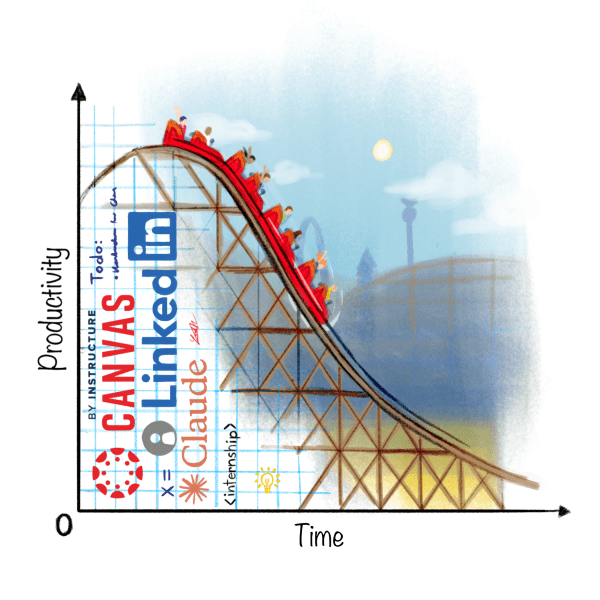
In recent years, our culture has become obsessed with health optimization. Exercise doesn’t count unless it’s part of one’s curated fitness plan, millions of people track their rest through metrics like sleep scores, and it’s even normalized to calculate the macronutrients, or “macros,” in one’s food. We seem to want to fine-tune our bodies, and while there is, of course, nothing wrong with being intentional about one’s health and well-being, this pursuit of optimality may prevent us from living to the fullest in the present.
“This obsession with optimizing health, notably based on metrics not lived experiences, stems from the belief that everything we do must be “productive” in some way… We’re losing the ability to enjoy for the sake of enjoyment, and we should challenge why we feel the need to optimize our days for productivity.”
This obsession with optimizing health, notably based on metrics not lived experiences, stems from the belief that everything we do must be “productive” in some way. We try to exercise regularly to lose weight, gain muscle, or increase life span, but what happened to working out just because it makes us feel good? We’re losing the ability to enjoy for the sake of enjoyment, and we should challenge why we feel the need to optimize our days for productivity. We must question who we are producing for (who is profiting from products that gamify our health?) and whether that productivity is actually promoting our best, most compassionate selves.
Many people look back on their college years as the best days of their lives. I think this is because if we’re lucky, while we’re young, we have the privilege to live unoptimized lives. You’ve probably heard the idea that college isn’t just about what happens in the classroom but everything else: Now is the time to try slam poetry even if you’re going into finance, stay up late talking with your friends even if you have an 8:30 a.m. class the next day, or start a birding club despite how it won’t necessarily be the most “productive” use of your time.
Enter the nap. In my experience at WashU thus far, I have found that it is nearly impossible to get the optimal eight hours of sleep each night while balancing academics, extracurricular opportunities, and a fulfilling social life. I know, however, that the version of me that prioritizes sleep over the other exciting moments of the college experience is not the happiest. Napping covers for this tradeoff.
While we’re here, let’s embrace the siesta. Our campus has plenty of good nap spots if you look closely. Napping may not be optimal, but to me, it’s the right choice.
Stay in Touch!
Get the latest and top news from StudentLife delivered to your inbox