Forum
Sexual assault awareness is not enough when consequences fall through
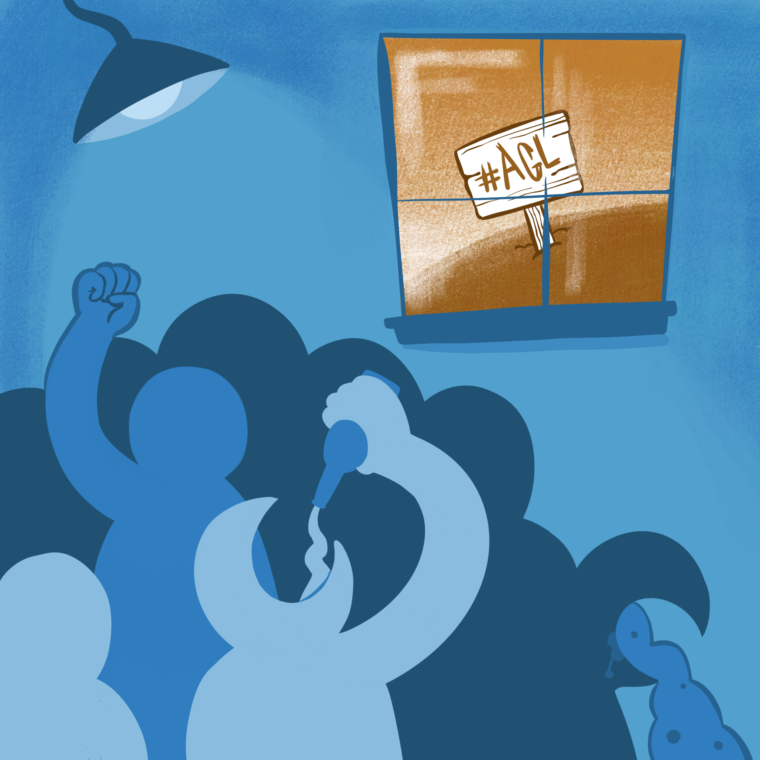
“If a potential rapist knows they can keep their friends, their social standing, and their entire life intact while causing extreme damage to the life of another, then what is there to stop them?”
The staff of Student Life recently published an editorial on how WashU should move forward after the Cornell 7 case’s virality, arguing that “more outreach, peer-to-peer education, improvement to Title IX enforcement, and campus-wide conversations about RSV [Relationship and Sexual Violence] are always better than less.” I want to push further and argue that, at present, awareness-raising programming like The Date and other online educational training have brought prevention as far as they can. These programs target ignorance, but do little to disincentivize harmful action. The Cornell 7 knew what they were doing was rape. They knew they were harming Jane Doe.
When I was notified of a new online training I was to complete sophomore year, I snorted. As our staff editorial mentioned, former economics professor Philip Dybvig had accumulated multiple allegations of sexual harassment from Chinese international students who feared for their residency statuses if they were to file formal reports. I felt bitter watching demos of dubious consent scenarios, clicking through multiple-choice questions on how to intervene. These are real scenarios and they matter, but how could this feel like anything but a Band-Aid on the gaping wound of a powerful predator gone unpunished, left in his place to continue harassing students?
A 2019 study reported that only 18% of sexual assaults on teenage girls reported to the police resulted in arrests, and even fewer got prosecuted. The share of those convicted from arrests narrows to 4%.
If a potential rapist is stopped neither by morals and awareness nor by major consequences, then punishments such as a reflection essay surely won’t.
I recognize that WashU had a decorated academic and Nobel Prize winner on their faculty, and that allegations are only words to an institution. But perhaps the attention on Cornell now can serve as a push toward meaningful institutional action in the future.
At the very least, the student body must hold each other accountable — not only in the feel-good way Vice Chancellor for Student Success Anna Gonzalez recently articulated, but in an uncomfortable way. When one of my friends joined a fraternity years ago, he expressed his vehement disagreement with and distance from those with allegations in his new brotherhood. He assured me the fraternity was taking it seriously. “I believe you,” I said, “but what if tomorrow it’s one of your best friends?” His silence affirmed my fear. It is easy to condemn a stranger. It is easy to avoid friendship with someone you never see. It is harder to cut off someone with whom you share a brotherhood, a dorm room, or a friend group.
If a potential rapist knows they can keep their friends, their social standing, and their entire life intact while causing extreme damage to the life of another, then what is there to stop them?
It is difficult to write this article without an extensive discussion of rape culture, the role of institutions in perpetuating it, the role of Greek life in perpetuating it, and without tangible evidence concerning student-on-student sexual violence on campus. I know, however, that our status quo is not working and that we cannot pat ourselves on the back for a system that is letting this happen. Everyone at WashU, both administrators and students, has work to do.
Stay in Touch!
Get the latest and top news from StudentLife delivered to your inbox