Forum
Natural disasters and WashU psychosocial health: What can we learn?
Many of us witnessed the tornado on May 16, 2025. The tornado, which moved through St. Louis County and the city before entering Illinois, reached EF3 intensity, with estimated maximum winds of approximately 152 mph. A National Weather Service review identified it as the widest recorded tornado in the St. Louis region since 1950, with a maximum width of approximately 1.8 miles. This tornado and nearby severe weather resulted in five deaths and 38 injuries. City estimates later put damage at almost $2 billion across more than 20 neighborhoods, affecting almost 50,000 residents and more than 23,000 homes.
Natural disasters have psychological consequences alongside their more obvious physical consequences. Transient fear during the actual disaster is one part of the process, but displacement and damage, among the general uncertainty and change precipitated by the event, can extend the psychological effects of a disaster. Student Life interviewed students and recent graduates who sheltered in campus buildings. They noted many worries about their apartments,cars, and lost electricity, and some students living near campus were temporarily unable or unwilling to return to their apartments because of the damage. Many described becoming increasingly stressed as photographs of damaged streets and buildings began circulating among friends. Since natural disasters can take a large toll on a person’s mental health, WashU must be more proactive with its responses to events like the May 2025 tornado.
In theory, severe weather is usually accompanied by warnings. During a tornado warning in 2011, Student Life reported that several WashU students had difficulty hearing outdoor tornado sirens. Some students interpreted the absence of an obvious warning as evidence that the danger was not serious. One student explained that because she had not heard a siren, she assumed there was not actually a tornado. 14 years later, Student Life reported a similar problem following the May 2025 tornado. Another student said that previous repeated tornado watches that resulted in little damage had made severe weather alerts easier to dismiss.
For students who come to WashU from regions where tornadoes are uncommon, the difference between a tornado watch and a tornado warning may not be intuitive. If the audible alarm is not functioning, the situation becomes even more confusing. Life-saving decisions can occur in the immediate time frame when a disastrous event is unfolding, and thus clear disaster education should be emphasized on WashU’s campus.
As mentioned previously, the psychological effects of disasters may persist after the immediate danger has passed. A systematic review involving more than 27,000 people exposed to tornadoes revealed that tornado exposure was associated with symptoms of post-traumatic stress, depression, and anxiety among both adults and children. Greater exposure to the tornado, previous traumatic experiences, and stressors occurring after the disaster were associated with worse psychological outcomes. Access to social, physical, and psychological resources, in contrast, was associated with better outcomes.
Most people exposed to disasters eventually recover without developing a chronic mental health condition. WashU public health researcher Salma Abdalla explored this idea and discussed the psychological response following the May 2025 tornado. Abdalla noted that many people cope well after disasters, while a smaller but meaningful proportion experience prolonged psychological impairment.
Additionally, WashU and its surrounding neighborhoods did not experience the disaster in the same way. The Danforth Campus sustained moderate damage and began recovering relatively quickly. However, several nearby neighborhoods experienced substantially greater destruction. All this said, there are several lessons WashU can take away:
-
Preparation
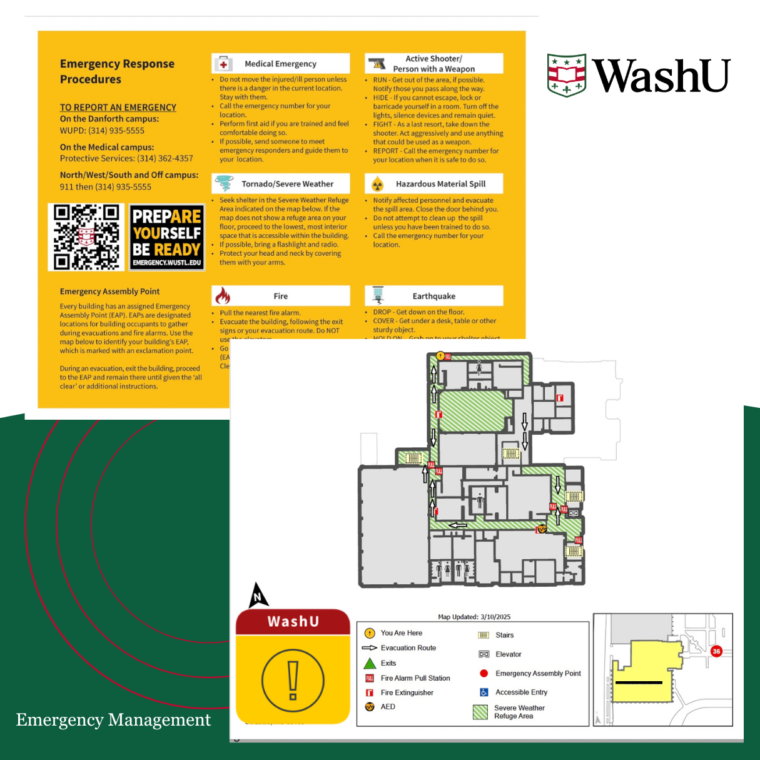
Students should know how the University communicates severe weather emergencies. What is the difference between a tornado warning and a tornado watch? Where do I shelter? What and how are other severe weather emergency alarms/alerts? Is there any place I can double-check if a disaster is actually happening?
-
Psycho-environmental support
Campus damage may not reflect citywide or individual damage. Academic flexibility, assistance locating temporary housing, clear information about campus conditions, and straightforward access to mental health services are a given for all students.
-
Community-wide support
Research on tornadoes has found that access to social resources is a protective factor following disaster exposure. Abdalla similarly argued that participation in community recovery can provide connection and a greater sense of agency following a disaster. The last point is critical for a university that describes itself as being “In St. Louis, For St. Louis.”
WashU should consider natural disasters as a broader category of mental health preparedness. St. Louis already faces tornadoes, severe thunderstorms, and extreme precipitation. Research on climate change suggests that extreme weather events of comparable magnitude may become more frequent under continued global warming. As these hazards intensify, the resulting disruptions to our lives may place growing demands on mental health services.
WashU must be vigilant and prepared for these consequences. Emergency education and communication should remain priorities, but support must continue after the immediate danger has passed. Disaster preparedness must account for the psychological effects of recovery and the needs of neighboring communities, especially if they have experienced greater destruction than the campus itself.
Stay in Touch!
Get the latest and top news from StudentLife delivered to your inbox