When E. A. Quinn, Associate Professor of Biological Anthropology, walked onstage in the Clark-Fox Forum holding a cabbage, most audience members weren’t sure what to make of it. How would […]
“Those people are gonna have to go get other jobs,” Zacks said. “They’re gonna lose contact with their human participants in their studies. So it potentially sets things back by much more [than just funding].”
Interest in psychedelics has surged in recent years as clinical trials suggest they may provide rapid and lasting relief for people who do not respond to conventional treatments, particularly those targeting clinical depression.
When Kehoe, Hanaway, or any Missouri political leader comes to campus next, we, Missouri’s future, have to show them that we vehemently disagree with the democratic backsliding that these lawmakers are either spearheading or complicit in.
WashU research projects have been affected by Trump administration policies that have restricted funding and access to critical information. To better understand these impacts, Student Life editors Aliza Lubitz and Zach Trabitz spoke with individuals involved in two university programs: the St. Louis Integrated Database of Enslavement (SLIDE) team and the Enhancing Neuroscience Diversity through Undergraduate Research Education (ENDURE) program.
Professors, researchers, graduate students, and PhD candidates stood across the street from the Barnes-Jewish Hospital on Friday afternoon holding signs that read “My research saves lives, cutting my funding will not” and “Science not silence.” As cars drove by and honked in support, the group of a few hundred protesters cheered and clapped.
Three Arts & Sciences student researchers founded The Washington University Journal for Undergraduate Research (WUJUR). The student-run organization aims to showcase undergraduate research from every academic discipline and create a more permanent platform to display the research. Their first-ever edition will be released by the end of this semester.
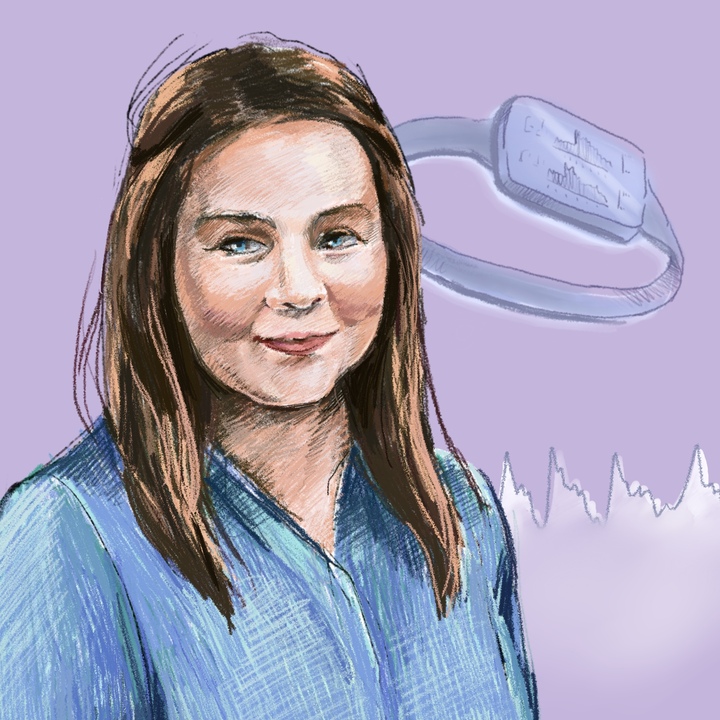
Fourteen million women around the world, annually, experience postpartum hemorrhage (PPH). 70,000 of those women die as a result of it. Primary PPH occurs within the first 24 hours of giving birth and is characterized by excessive bleeding — the loss of over 500 milliliters of blood. It transpires in 3-5% of deliveries
But it appears even with positive reviews and evaluations from students, strong teaching-track faculty can be let go without any clear rhyme or reason. We call on the University to extend a new contract to Dr. R and all other well-deserving TRaP faculty who are foundational to the excellent education that Washington University provides.
A Washington University neurology lab is working to understand how the brain works with our natural sleep-wake patterns — and what that could mean for progression and prevention of disease.
Stay up to date with everything happening at Washington University and beyond.

Subscribe