Scene
Sex, God and mustaches: You’ve got to watch ‘The Devils’
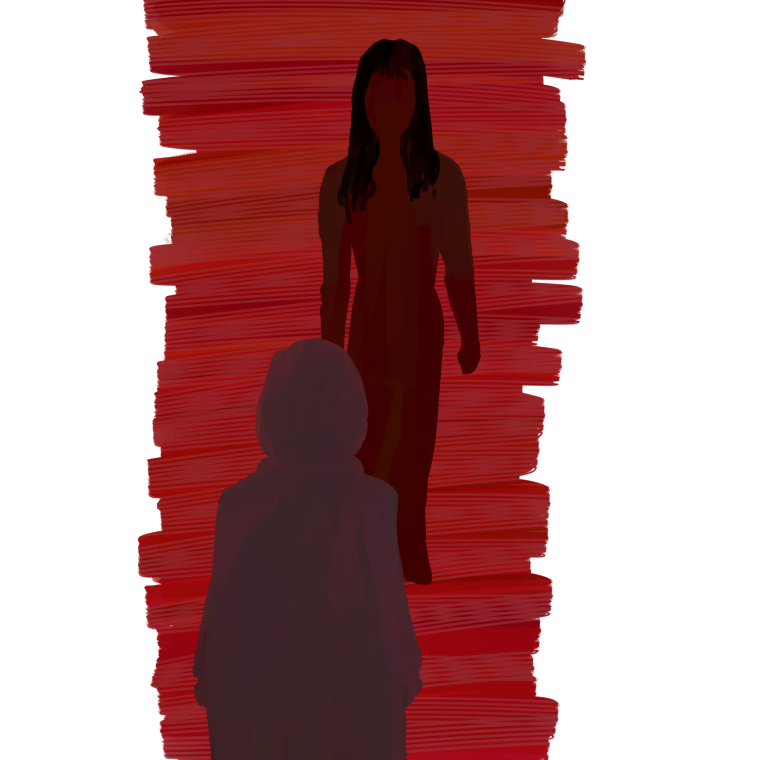
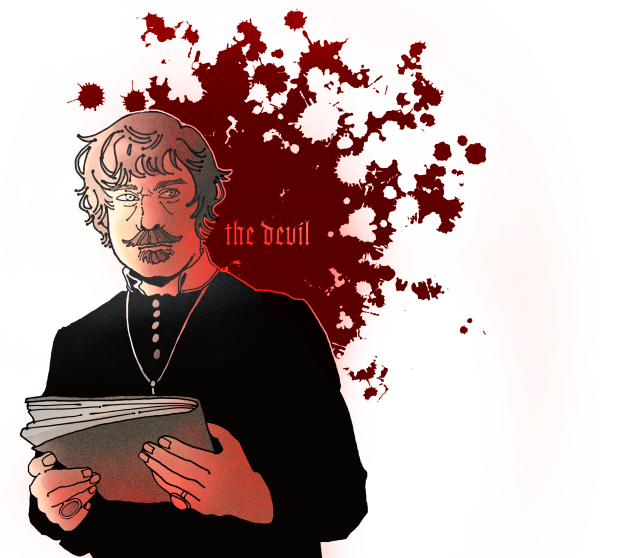 Ken Russell’s “The Devils” was released in 1971 and was almost immediately dubbed one of the most controversial films of all time. Its frank portrayal of violence, nudity and religious corruption caused many of its key scenes to be censored or cut out entirely, resulting in a commercial and critical failure. Fifty-five years later, restored and redistributed by Warner Bros., Russell’s original director’s cut finally made its way into theaters, and it is bonkers.
The two stars of the film are perfectly cast. Vanessa Redgrave is magnificent as Sister Jeanne, a neurotic, sexually-obsessed nun; she is aflame with mania and desire, letting out disturbing giggles as she shambles around the sterile convent chambers. Oliver Reed is superb as Father Grandier, a philandering priest, balancing apathetic arrogance with utter weakness and honesty.
The key performance in this film, however, is Michael Gothard as Father Barre, a fanatic, witch-hunter, and exorcist. With his leather gloves, cut-off shirts, and long, stringy hair, Barre looks more like a ’70s rock star than a priest, and his chaotic, visceral acts of violence further this comparison. He thrives on drama, insisting that every step of his crusade be conducted in public, whipping the once-docile peasants into a state of blood-hungry hysteria. His constant refrain of “confess,” which he says to nearly every character in the film at one point or another, begins as a calm and well-enunciated order and crescendos into an animalistic, unintelligible scream. It’s terrifying, and every character in this film, no matter how minor their role, is played with the same level of intensity and attention to detail.
The set brilliantly confines the medieval opulence of Catholic France within massive, brutalist backdrops. Places such as antiquated city walls, royal libraries, and rectories are stripped of their color, their bleached-out, hospital-esque exteriors grinding away at the viewer’s vision, forcing the viewer into unrelenting discomfort.
My experience at the movie theater mirrored this unhinged, uncomfortable atmosphere. When I told the employee at the Hi-Pointe Theatre that I knew nothing about the film, he put his hand on my shoulder in some strange, paternal gesture, and told me, “You’re not gonna make it.” Then he walked into the employee’s restroom, cackling maniacally.
Despite its historical setting, this movie tackles so many current social and political topics: questions of individual resistance against a police state, men’s control over women’s bodies, self-serving demagogue leaders, and more. In some ways, it is a good thing that the film was censored for so long, so that it could arrive just when the primary concerns of the film dominate public and political thought.
Beyond all of its thematic brilliance and extraordinary production value, though, “The Devils” is also just a damn good movie — with moments that are both laugh out loud funny and emotionally crushing. Hope that it’s coming to one of the 40 streaming services that you’re already paying for.
Stay in Touch!
Get the latest and top news from StudentLife delivered to your inbox