Scene
‘Save Me, Scene!’: How to overcome friend group FOMO
Diya Gupta | Contributing Illustrator
“I met my friends during the first week of school, and I felt so lucky going into freshman year with them. As the year went on, though, I realized that I’ve been drifting apart from my friends. We’re not really interested in the same things, and I just don’t feel as close to them as I used to. Still, everyone else seems to have really solid friend groups, and I don’t want to be the only person without any friends. What should I do?”
– Lonely Scholar
Dear Lonely Scholar,
I understand your worries about becoming friendless, as I recently went through a similar situation. Last semester, I also had my own “friend group,” and at first, it felt comforting to have a community that I could always rely on. However, as the semester went on, we started to drift apart due to conflicting schedules and miscommunication. This also affected our overall connection, making conversations feel more forced than genuine. Even though I was still technically a part of a friend group, I didn’t feel as close to them as I once did.
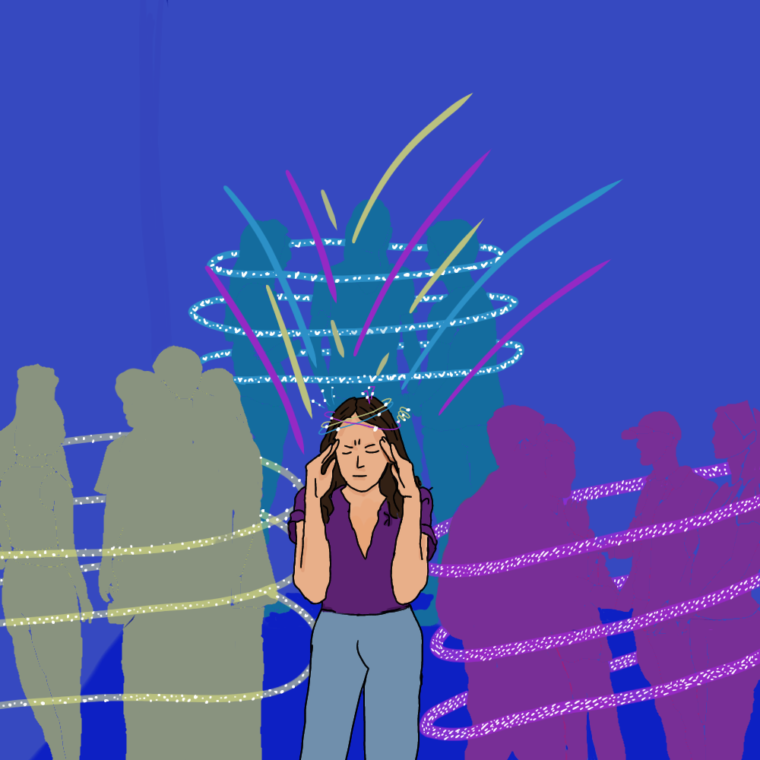
At the same time, everyone else in the group felt comfortable joining new circles. Watching others easily form lasting new connections was frustrating, and this is exactly when the feelings of friend group “fear of missing out” (FOMO) kicked in.
Friend group FOMO stems from the fear of social exclusion, the troubled feeling that everyone else has found their community while you’re left behind. Yet the truth is, friend groups aren’t as perfect as they seem. Most friends appear to be an ideal, harmonious circle from the outside, but that image is often an illusion. When you look more closely, you’ll see that most friend groups have internal conflicts, misunderstandings, and moments of awkwardness that aren’t visible to the public eye.
The first step of conquering FOMO is to shift your mindset and become what I like to call a “social nomad.” A social nomad is someone who understands that belonging doesn’t have to come from one fixed environment. Instead of focusing on staying in one group, start focusing on individual connections. Get out of your comfort zone, allow yourself to talk to new people, sit in different spaces, and don’t feel restricted to one circle.
Being a social nomad also means getting comfortable with discomfort. The best way to move past this lingering fear is by putting yourself in situations where new connections can happen naturally. This could include joining more activities. Sports, clubs, and campus events make it easier to meet people with common interests, since shared activities can often lead to organic friendships.
After putting yourself in a new environment, you must stop comparing your social life to what others seem to have. Measuring your own friendships against others’ only fuels insecurities, and then the endless cycle of feeling unwanted by your peers repeats. The more you focus on others, the easier it is to overlook the genuine connections that are already in your own life. Start paying attention to how people make you feel instead of chasing the appeal of belonging.
As you navigate college, it’s important to know that friendships can shift, people change, and relationships naturally drift apart. However, converting that fear of change into curiosity can foster a positive mindset, allowing you to embrace new experiences and connect with people who truly get you. Remember, it only takes one meaningful connection to remind yourself that you were never alone as you thought.
Stay in Touch!
Get the latest and top news from StudentLife delivered to your inbox