Scene
Book review: Fantasy parallels reality in ‘A Court of Thorns and Roses’
The best, and often underappreciated, part of fantasy literature is that it parallels our own lives in surprising and incredibly meaningful ways. Such is the case with the fantasy series “A Court of Thorns and Roses” by Sarah J. Maas. The series follows a human girl named Feyre who lives in a world where faeries exist—and they’re not anything like Tinkerbelle. She is drawn into this world of dangerous creatures, magical plagues and, of course, romance. While the first book is a loose retelling of “Beauty and the Beast,” the rest of the series drops this framework as Feyre learns more about the faerie world and herself.
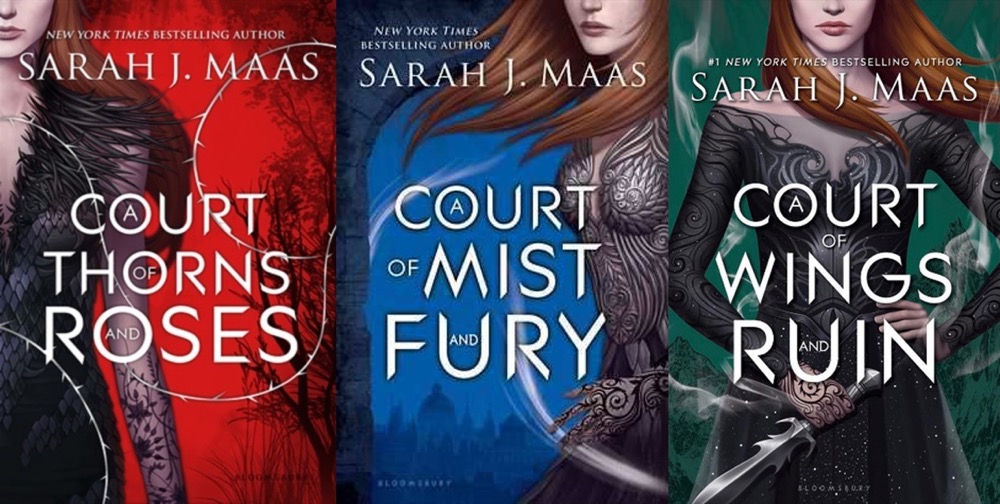
What is remarkable about this series and the romance plot is that it draws you in and makes you complicit in rooting for an unhealthy relationship, and then makes you realize what you’ve done. While this is a literary technique that’s as old as time, this instance is particularly applicable to our lives as college students. Because, just like most relationships, Feyre’s unhealthy romance doesn’t start out that way: It turns bad by degrees until the reader, and eventually Feyre, realizes that the man she is with is abusing her in quiet and not easily visible ways. This then prompts us to look back and recognize the signs of the relationship going wrong.
It’s easy to recognize what constitutes physical abuse and some types of verbal abuse (which is not in any way to imply that it’s easy to extricate oneself from that situation), but more insidious, invisible or even unintentional types of abuse are harder to detect. Still, we probably all know someone who has experienced, or have ourselves experienced, a relationship in which one partner exercises control or authority over the other in limiting or harmful ways. It’s a huge problem on college campuses, and our campus is unfortunately no exception. The only true way to combat this problem is through awareness: awareness of healthy and unhealthy relationship traits that allows the partner in question or some bystander to step in to begin to resolve the situation.
“A Court of Thorns and Roses” contributes to that awareness, almost without the reader even recognizing it. Feyre’s relationship, which starts out innocuous enough, eventually becomes very unhealthy. As the series goes on, her partner doesn’t respect her wishes, attempts to control her and refuses to treat her as an equal. The reader realizes this along with Feyre and supports her leaving the abusive partner. This experience of being drawn in and then recognizing the danger signs is something that readers, especially college readers, can learn from and apply in other parts of their lives. That makes the series a must-read, not only because it’s incredibly well-written and full of marvelous, full characters, but also because it relates to our own lives in an important way. As for whether Feyre gets a happy ending, you’ll have to read it for yourself and find out.
Stay in Touch!
Get the latest and top news from StudentLife delivered to your inbox