Forum
Let’s normalize doing your readings
Lucia Thomas | Managing Illustration Editor
The WashU student body has normalized neglecting schoolwork to a shocking extent that undermines the entire purpose of a higher education community.
Disclaimer: I am not perfect. There are plenty of instances in which I have run out of time and had to scrape by on a skim of 60 pages. I have also been on the receiving end of an impossible amount of readings that don’t supplement my learning. My complaint is with a pattern of student behavior, not the exceptions.
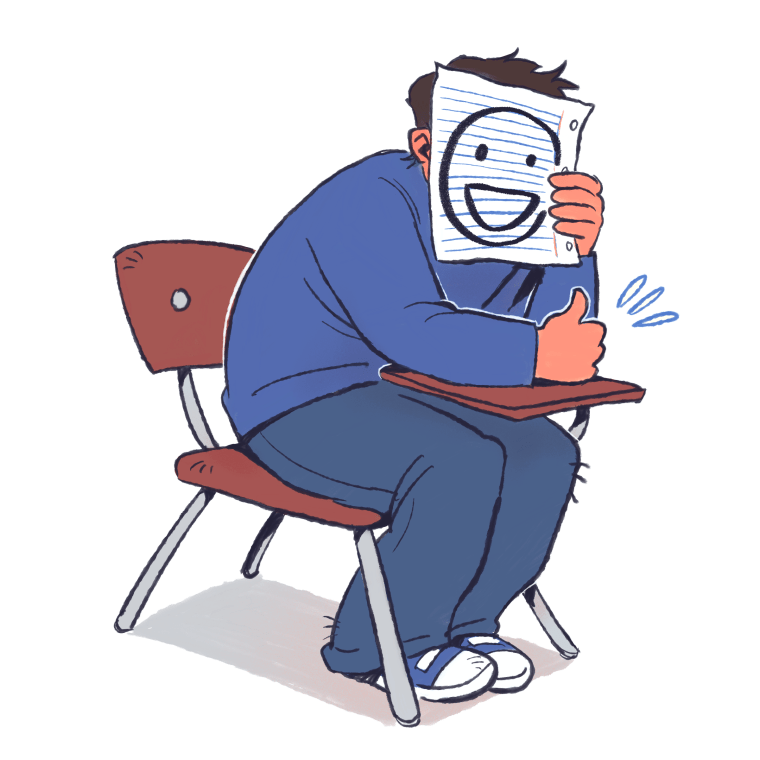
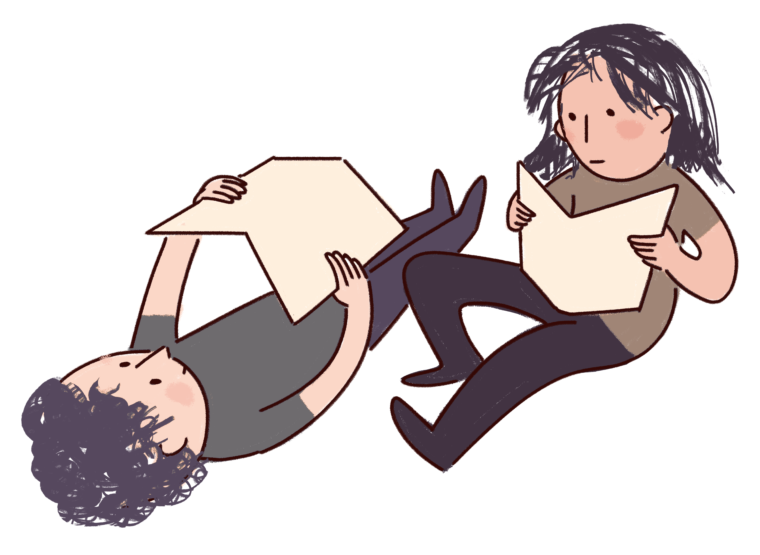
The most obvious impact of students not doing their readings is in classroom discussions. I’ve sat in one too many Socratic circles with three people raising their hands amidst a background of blank faces clicking on computers.
These bland discussions are so disappointing because I’ve experienced the power of an amazing discussion in which everyone has read the text and builds off of each other’s ideas. There are plenty of reasons why discussions can fall flat of my expectations, but what disappoints me the most is a complete lack of care.
It’s mind-boggling because the most silent people are often the ones who have the most unique responses to the topics that we’re discussing outside of class — the voices that I want to hear from the most.
It’s understandable that sometimes people don’t have something to contribute to a discussion, but my peers will unashamedly brag about not doing the readings. This brings me to an overarching pattern I’ve noticed that contributes to this epidemic: a lack of accountability for one’s own learning.
Accountability spans beyond failing to do work. It’s frustrating to put in so much effort and receive a score that isn’t proportional. I’ve been on the receiving end of this, and it hurts more than a bad grade should.
However, there’s only a certain amount of blame you can place on external circumstances. Yes, sometimes it was an inordinately hard exam or the material wasn’t taught well. This is usually 10% of cases. One hundred percent of the time, however, your next steps are completely in your control.
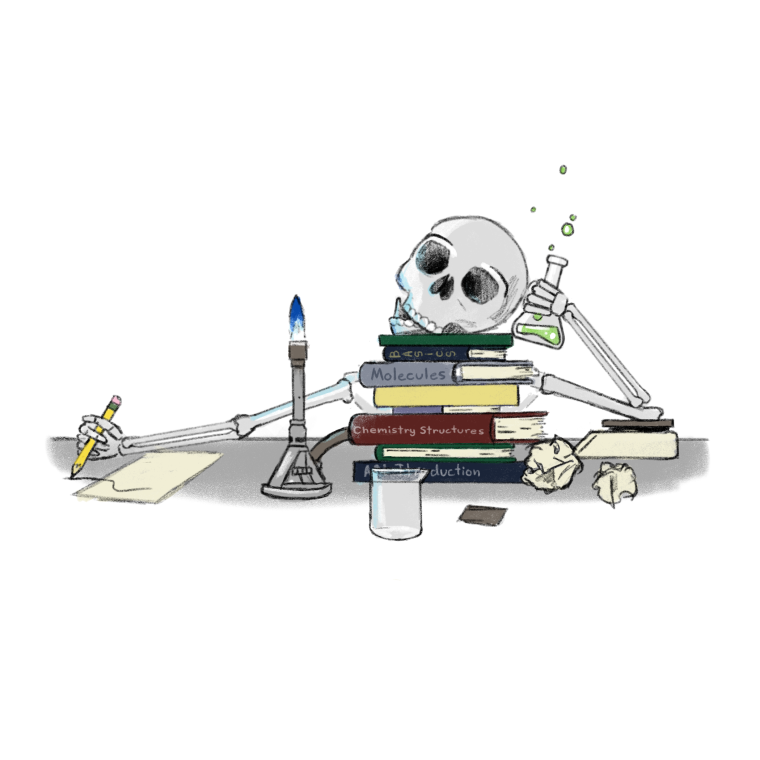
When I got bad grades on my first chemistry exam and my first English essay, my first instinct was to say that it must be a mistake. It felt like the comfortable strategies that had always worked were crumbling around me, and so it must be the material. This is the experience of many WashU students who developed a consistent, successful routine during high school that college upends.
For me, taking a moment to reflect and reroute changed everything. Instead of pushing blame outwards, I met with my TAs to see how I could adapt my studying habits to a college education. Seeing failures as opportunities for growth before anything else is a necessary reframing for any new college student.
Sometimes, I see people with the same mindset I used to have. It’s especially frustrating when these are the people who brag about ignoring readings or skipping lectures. Ultimately, there is an instinct to give up when things get hard and avoid important change.
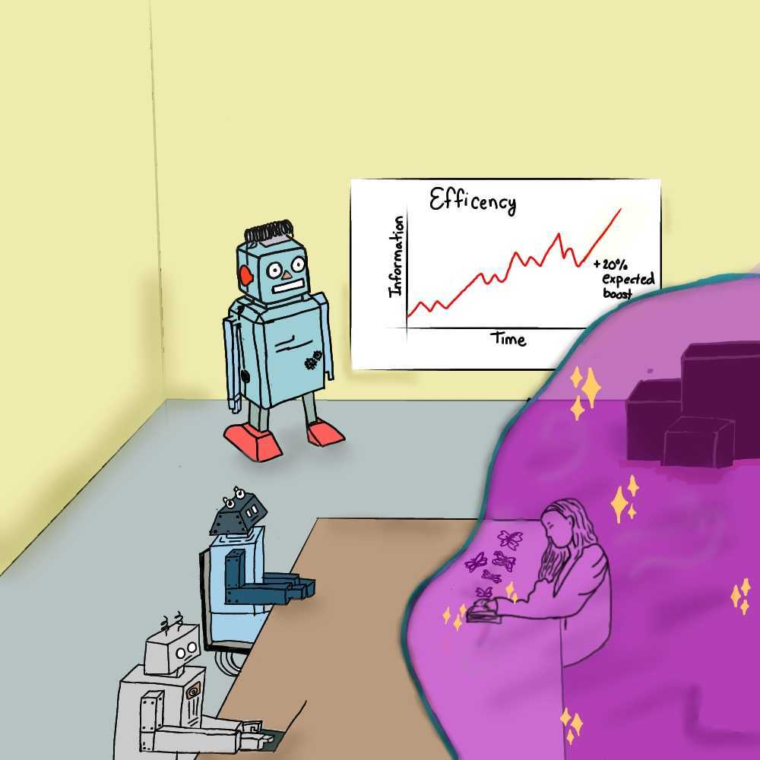
This mindset extends to the shameless uptick in ChatGPT usage. Every time I visit the library, I see students sending pictures of problem sets or copying over prompts to AI with no trepidation about the blatant cheating.
I’ve even had peers with the app open next to me in class with a summary of our reading on it. It’s disappointing to see people try to skip the experience of learning, straight to the end result.
My question to the reading ignorers, ChatGPT abusers, and lecture skippers is this: Why are you at WashU?
Education is a privilege. More than that, it’s a privilege to have the power to choose what you want to learn.
To be blunt, if you don’t want to learn about Irish literature, you have the freedom not to take the class instead of blankly going through the motions and complaining when you don’t get anything out of it.
We should reflect on our own learning and how it can help us achieve our long-term educational goals. We have the power to create a culture that is excited to learn and grow instead of being resentful towards the work that we have chosen to undertake.
Stay in Touch!
Get the latest and top news from StudentLife delivered to your inbox