Staff Editorials
The liabilities of a tradition
With yet another incarnation of the ThurtenE Carnival in the books, Washington University students are once again left with more questions than answers, more gripes than good feelings about the whole event. Wash. U. continually markets the event as the school’s oldest tradition and as the nation’s largest and oldest student-run carnival. While age and size certainly factor into the making of a tradition, general enjoyment of said tradition is also prerequisite.
With ThurtenE, outside Greek life, very few people get excited about the event. It is essentially a Greek event marketed as something the whole campus is involved with and enjoys. While this fact certainly doesn’t preclude the event from being a campus-wide tradition, the general apathy felt by other students and lack of transparency do.
Many students avoid the carnival or are at least wary of it because its financials are not released to the public. While the carnival itself is not marketed as a philanthropic endeavor, there is the general understanding among the student body that the proceeds are meant to go to a non-profit in the St. Louis community. Yet a charitable amount is never released, and the ThurtenE honorary itself keeps its activities under wraps because it is a “secret society.”
If the event was more focused on fundraising—and overtly so—the rest of the campus could become more willing to embrace the carnival and have it more fully integrated as a campus tradition. Because so many students are disillusioned by the group’s secrecy, they are unwilling to support the carnival as a whole, which hurts not only the school but the St. Louis community as well.
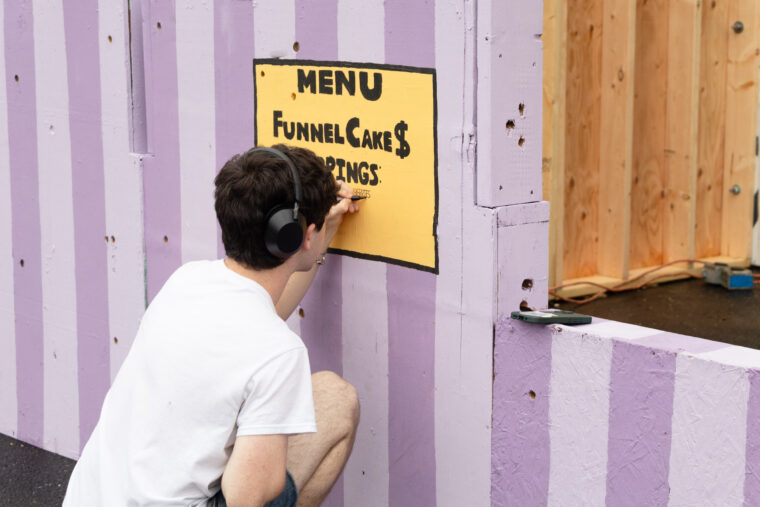
On that note, running ThurtenE as it stands is a liability to the public’s well-being. Even though there are safety regulations on the facades that force the fraternities/sororities to pay fees if violated, these facades are still constructed in around two weeks by untrained college students. Because community members, mostly children, sit in these facades for extended periods of time during the carnival, there is the definite possibility that any safety violations could end with someone outside of the school getting hurt.
ThurtenE, as a so-called tradition, also functions as an extreme liability. The event should be revamped to include more of campus, increase commitment to the St. Louis community and keep its builders safe. Wash. U. craves a real, campus-wide tradition to hold onto, and ThurtenE could provide that—but it hasn’t yet.
Stay in Touch!
Get the latest and top news from StudentLife delivered to your inbox