Forum | Opinion Submission
Opinion Submission: Spring Festival is more than a celebration
During an upper-level Women, Gender, and Sexuality Studies class last week, I found both familiarity and distance in our conversation about the racialization of Chinese immigrants in the U.S.
We discussed the Gold Rush, the Chinese Exclusion Act, anti-Chinese political cartoons, and medicalized stereotypes. We considered an advertisement from 1886 caricaturizing Chinese men; their faces were exaggerated, all drawn exactly alike, being pushed out by Uncle Sam. A smiling sun hovered in the background.
As a Chinese international student who moved here only a year ago, I sometimes have a strange experience in American classrooms. Chinese students are both present and abstract. Our countries appear in lectures as case studies, geopolitical rivals, economic competitors, or historical subjects. Yet we ourselves, the people in the room, remain slightly outside the frame: present in discussions about China, but not always centered as lived voices within those narratives.
I am not sharing this example to criticize my class. Our discussion was excellent. In fact, I appreciated being in a space where these kinds of histories are discussed. But it made me reflect about how the United States thinks about China through just a few lenses: war, communism, censorship, and global trade.
When this becomes the dominant means of entry into conversation, we get further away from the reality of other places and cultures.
China is a big, far-off place of politics and power for many Americans. But for me, it is the image of rolling dumplings with my own hands the night of New Year’s Eve, calligraphy ink drying on crimson paper, the fireworks bursting in the night sky as the clock strikes midnight, and the yearly tide of humanity trying to get home for the Spring Festival — arguably the world’s greatest migration — to simply put their butts in a seat and eat a meal together.
Sometimes I wonder if we separate culture from people too easily. It is easy to enjoy dumplings, lion dances, or “cyberpunk Chongqing” TikToks. It is harder, and more meaningful, to build relationships with the Chinese students sitting next to you in class.
This distance is also visible in subtle everyday moments on campus. A group of Chinese international students cook together every few weeks in my dorm. The smell of soy sauce and ginger fills the small kitchen, and the suite is filled with the sound of laughter. But the other students in the building refer to them as “the Chinese group” and nothing more.
That small detail stays with me.
As international students, we sometimes remain in our own circles, partly because of language, partly because of comfort, partly because reaching across differences can feel awkward. But I don’t believe we are “too different,” as one friend once told me after struggling to join an American social group. I think we simply haven’t created enough shared spaces.
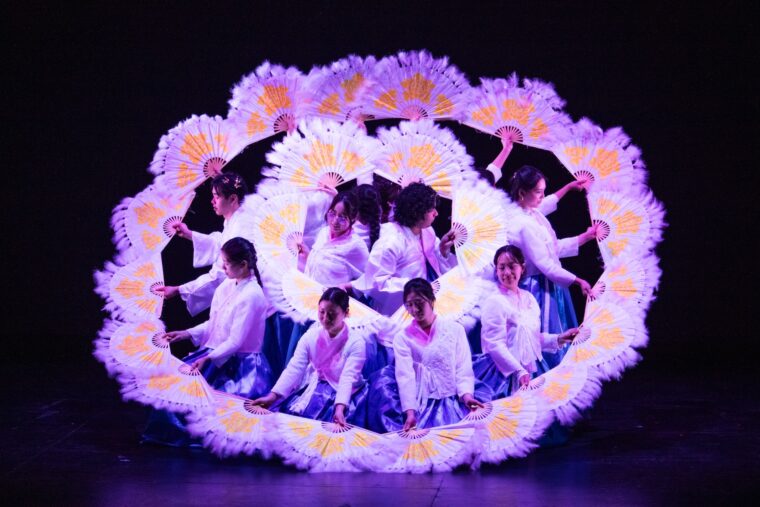
Spring Festival, also known as the Lunar New Year, is one of those spaces. Over the past few weeks, student organizations on campus celebrated the Spring Festival through a series of events. The festival activities were fun, vibrant, and open to all. But the festival activities carried more meaning than just celebrations: They were invitations to renewal, connection, and shared understanding.
The celebration is a reunion. A meal is shared with family on New Year’s Eve. Dumplings, or “饺子,” represent good fortune and wealth, as they resemble ancient gold ingots. Red is a symbol of happiness and protection. Characters written in calligraphy, such as “福” for fortune, are displayed upside down, representing the arrival of good fortune. Elders gift children red envelopes, or “红包,” as a way of showing care and continuity.
It is a celebration of moving forward, of new possibilities, and of narrowing the distance I sometimes feel in classrooms, where China appears as an abstract subject while Chinese students remain quietly present. Small things like sharing a Lunar New Year show, practicing calligraphy, or eating dumplings with someone whose native language is not English help us better understand each other.
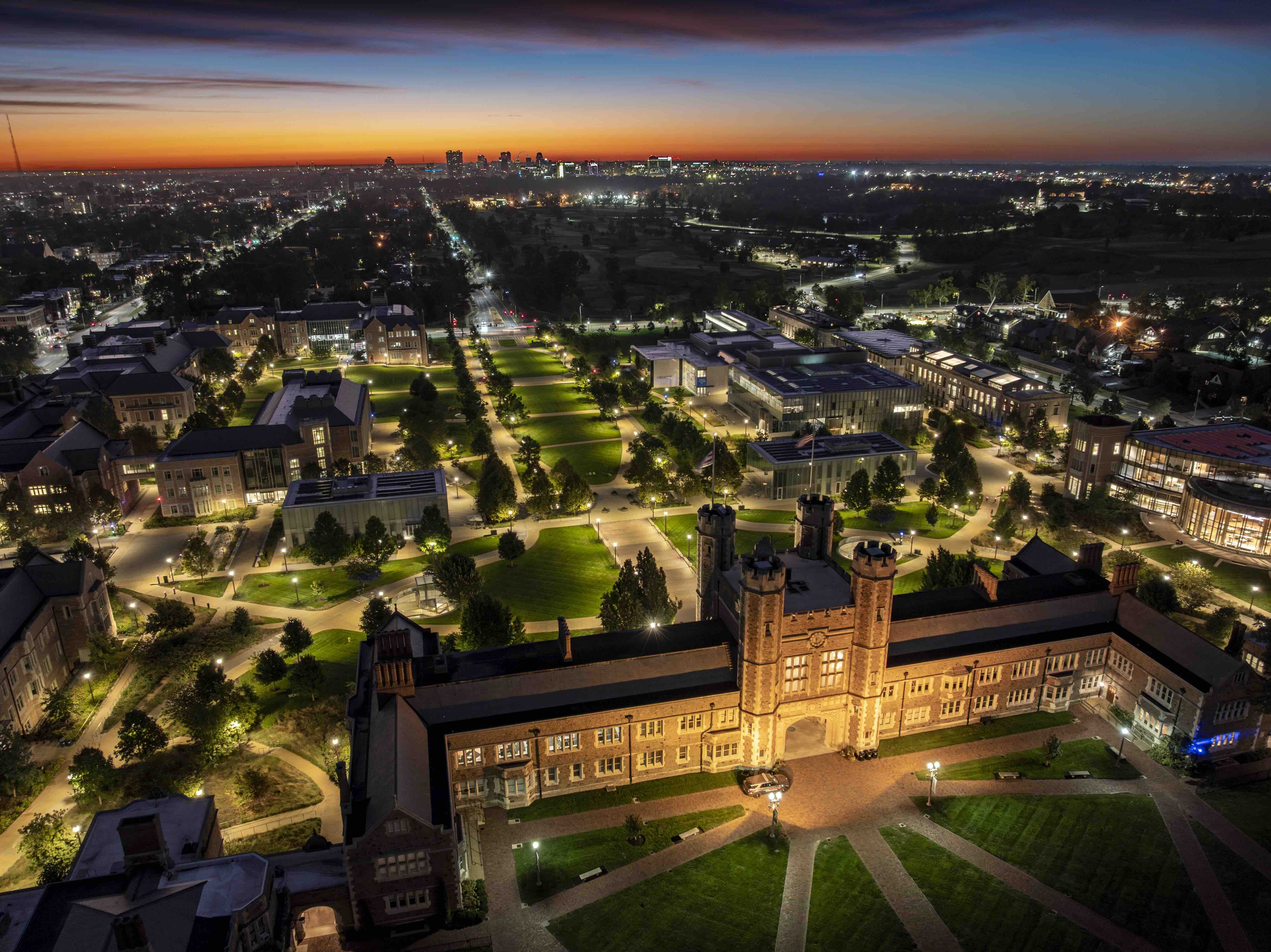
I came to WashU to learn. Learning, however, is more than ideas, concepts, theories, and knowledge. Learning is the conversations that take place after an event, awkward first meetings, and shared meals. Learning is realizing that no country is just what the media makes it out to be. Learning is realizing that no group of people is just what the media makes them out to be.
This year’s Spring Festival celebrations, including those hosted by WashU Lunar New Year Festival (LNYF) and WashU China Connection (WUCC), were joyful and meaningful. Yet their significance should not end with the festival itself. Appreciating Chinese culture is not a once-a-year event, but an ongoing practice of curiosity, conversation, and connection.
Stay in Touch!
Get the latest and top news from StudentLife delivered to your inbox