Forum | Point/Counterpoint
Counterpoint: Reality TV is monetized abuse

Janae Crespo | Contributing Illustrator
Three former members of “Love Island” have killed themselves since 2019: two former contestants, Sophie Gradon and Mike Thalassitis, and the former host, Caroline Flack. Contestants on reality TV shows like “Love Island” are routinely subjected to predatory contracts, producer abuse, cyberbullying, and prolonged isolation from society. Reality TV only serves to entertain the masses who relish in watching already emotionally unstable contestants — those who have previously been exposed to physical and sexual trauma, social deprivation, pre-existing mental health conditions, and suicidal thoughts — explode on national television.
For decades, feminists have criticized pornography (and rightfully so) for its wildly unrealistic and damaging portrayals of sex. To remain consistent in our opposition to pornography, we must hold reality TV to the same standard. I criticize reality TV and porn on the same grounds.
Look at their uncanny similarities. Selective editing in both creates a distorted reality that imbues viewers with false impressions. Porn coerces financially unstable women into a vicious cycle of abuse and degradation, while reality TV lures tens of thousands of applicants who crave the fame it offers into a puppet show where they are emotionally marionetted. The result of both is a potently addictive product. Porn exploits viewers’ lust, and reality TV exploits viewers’ pride and boredom.
Most abhorrent is the abuse that pervades reality TV and porn. The abuse in the porn industry is already well documented, but viewers are less likely to know the extent of abuse in reality TV. On the show “Love is Blind,” producers forced contestant Renee Poche to spend extended periods of time alone with her abusive, drug-addicted fiancé. Prominent YouTuber MrBeast is facing a class action lawsuit for starving contestants, forcing them to play physically and emotionally taxing games, and for sexual harassment. Duke University School of Law published a report on children in reality TV and determined that “television channels take advantage of children and their parents, whose desire for fame blinds them to the implications of high participation costs in reality TV shows, especially the psychological impacts.”
Reality TV indiscriminately and routinely proves to be harmful to viewers, contestants, and, worst of all, children. If you simultaneously criticize porn for all its flaws and habitually engorge the mental rot that is reality TV, you are a hypocrite.
“But they signed up for it,” you protest. A signature does not absolve producers of their ethical duties, especially when contracts are signed under information asymmetry. Producers often deliberately cast emotionally vulnerable people, and the “fame” promised to contestants often turns into degradation and harassment. Ignorant consent is not consent; it is just coercion with paperwork.
“Reality” TV has to be the greatest misnomer of our age, because it could not be further from reality. Producers sell the shows as a true representation of the contestants’ characters, despite maliciously editing scenes to control narratives, grooming contestants’ relationships to create drama, and completely isolating them from the outside world to erode their emotional health. The result is an addictive, emotional concoction that exploits both viewers and contestants to turn a profit.
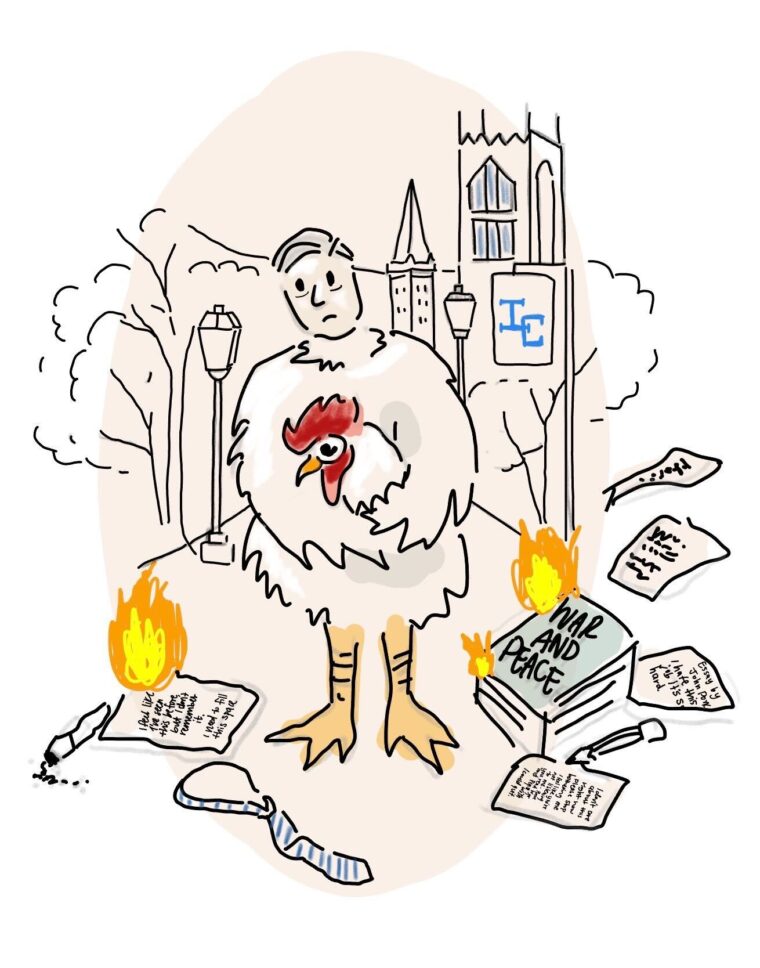
We cannot sit back, throw up our hands, and say, “We just need greater accountability!” Even if that is true, proponents of reality TV have not provided actionable steps to reduce abuse. Their calls for “accountability” are just rhetorical handwaving used to distract us from the fact that they have no real answers. Ultimately, no amount of accountability can fix a product whose profitability relies on hooking viewers, exploiting contestants, and creating a grand fiction. When the product cannot profit without those, then it is fundamentally, not structurally, flawed. Bad trees bear bad fruit, and reality TV bears bad fruit, so it must be cast into the fire.
Reality TV and porn are two sides of the same coin. Both industries exploit human vulnerability for profit. Both sell fantasy as reality. Both discard their emotionally destroyed actors like trash while viewers continue to consume and move to the next season.
Three people are dead. How many more before you consider changing the channel?
Stay in Touch!
Get the latest and top news from StudentLife delivered to your inbox