Forum
Commenting through chaos: How will social media platforms tell us what to think?
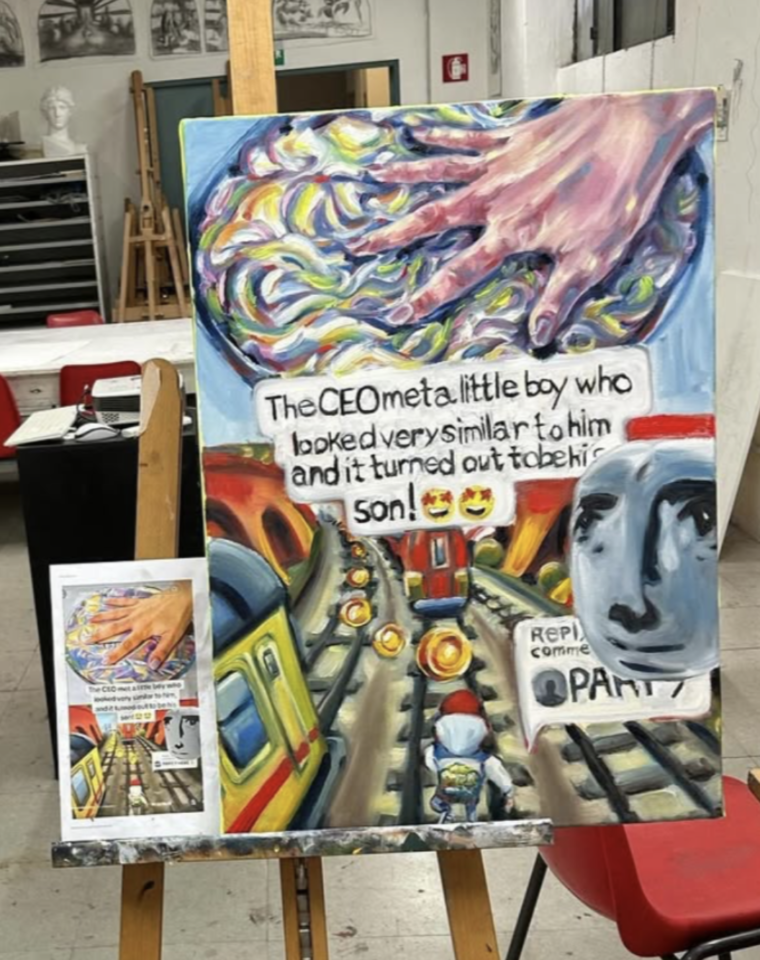
Before watching a man backflip into a shallow lake, an ASMR restock video, or Nara Smith crafting what are essentially pharmaceuticals, one click makes a white block consume three-quarters of your TikTok FYP. From that point on, your every action, every thought, every notion of what is good or bad is skewed by the well-liked comments that present themselves in front of you.
“I laughed so hard I cried” — you laugh. “OMG, I need that top” — you become fixated on a lavender corset (even though you hate lavender). “That is actually a very insensitive thing to say,” “relax, she is just having fun,” and 12 iterations of this argument. Oh no, you think, there is no consensus; I guess you’ll have to weigh the pros and cons (count the number of likes each pro or con comment received).
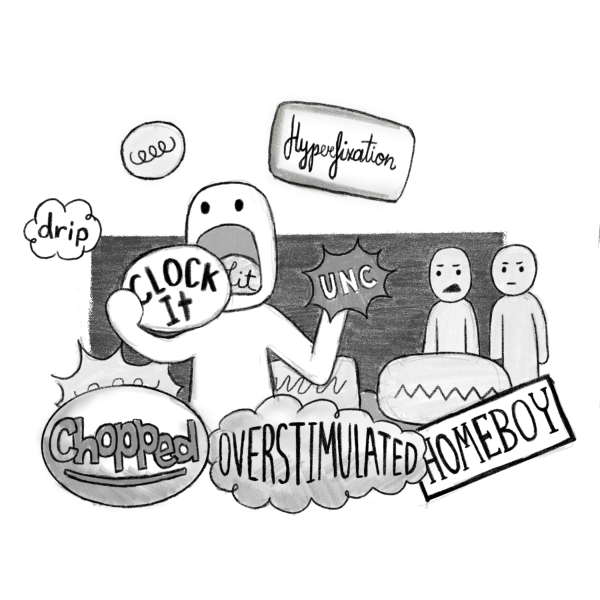
I can guarantee nearly every member of our generation has experienced this comment obsession. I am thus inclined to think that we are so inherently unsure of our own skills, wittiness, and perspectives that we instantly seek the counsel of others. However, beyond just receiving advice, we abandon any nascent ruminations or opinions that might have been boiling within and accept what society says (or rather, types). What has contributed to this generational uncertainty? Is it more reasonable to blame society or the individual?
The answers are far from black and white. Rather, society provides individuals with the tools to perpetuate this generational insecurity, even without them realizing they are doing so.
The tendency for popular comments to form an individual’s opinion in this manner is largely rooted in generational insecurity. They can be accredited to the social frameworks that permit unmitigated opinions and standards, ultimately leading to groupthink.
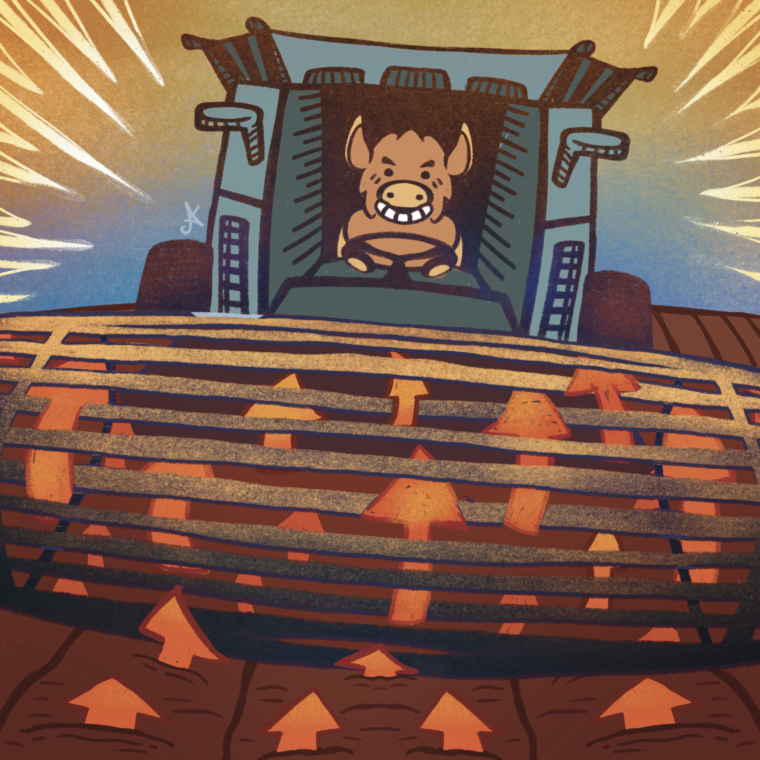
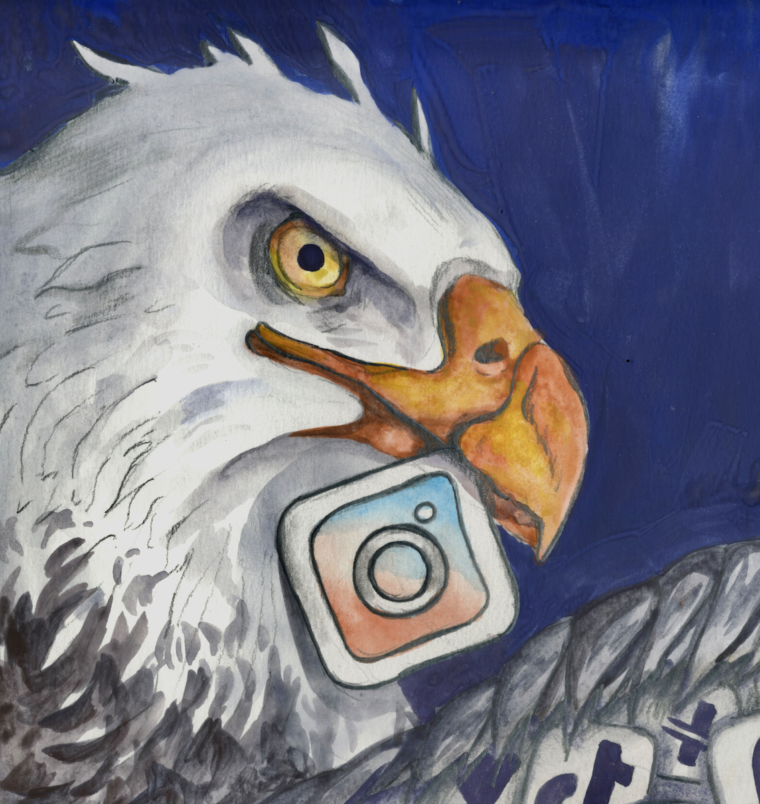
One tool of destruction is a small heart: the like button. I am not against love, I should clarify. I am against the tool with which individuals convey their approval on a comment. Especially because the comments themselves either approve or disapprove of the content of the post — it is somewhat absurd, if you think about it. In any case, this little symbol is relevant to many applications beyond TikTok comments, including Instagram posts, X posts, and Facebook announcements. In doing so, the “like” format allows users to contribute even more to the comment-obsessed cycle that I have already touched upon, and lends itself to boundless physical, social, or mental comparison.
For example, many individuals coming across an Instagram model whose “it girl” outfit has garnered 80,000 likes almost instantaneously go online to purchase that very same outfit. This process recreates itself when a TikTok comment with 80,000 likes (make it 80,001) leads us to accept a viewpoint.
Some may argue that individuals like others’ comments and accept them as their own opinions because they are simply funny, or that they like the Instagram model’s outfit because it is pretty. They will argue that even if comments or posts had no likes on them, an individual would be able to decide whether or not to accept it as their own opinion or desired style.
Yet, by affixing a certain number of likes to a comment or post, our peers tell us what to accept, whether that’s an opinion, body image, fashion sense, or something else. Society has removed yet another layer of individuality and expression, offering so many choices then immediately telling us which to accept.
While I wish that we had the individual capacity to decide what is good for us independent of the like-button, that is not the reality. In order to move forward, individuals must wrench themselves from this cycle through critical dialogue and thinking. We must realize that by instantly swiping up to read the comments or take in the number of likes, we are rooting ourselves in dynamics that may never change.
It will require a concerted effort to consider what you personally think about a video or to realize that you look amazing; in the end, there will always be another model whose post is growing in likes. Indeed, it is by truly being one’s unique self that we come across original videos on TikTok, have conversations that are entirely removed from social media, or even write an article like this one.
Stay in Touch!
Get the latest and top news from StudentLife delivered to your inbox