Scene
Classic dances, new twists: Diwali 2026
Isabella Diaz Mira | Managing Photo Editor
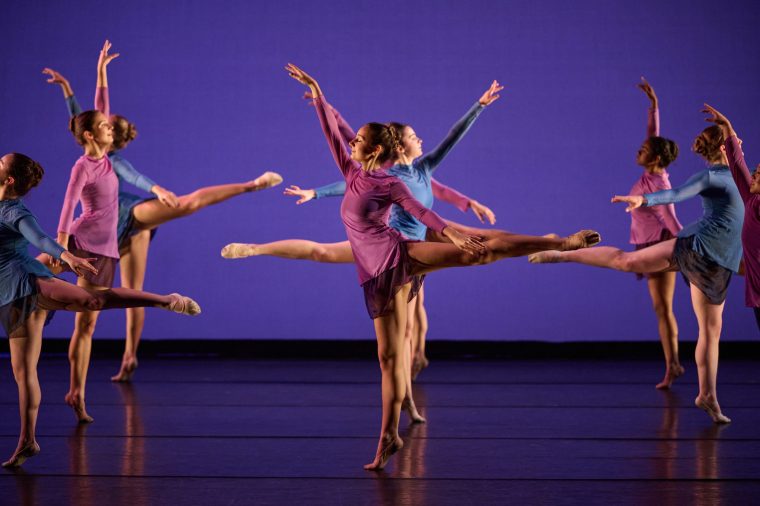
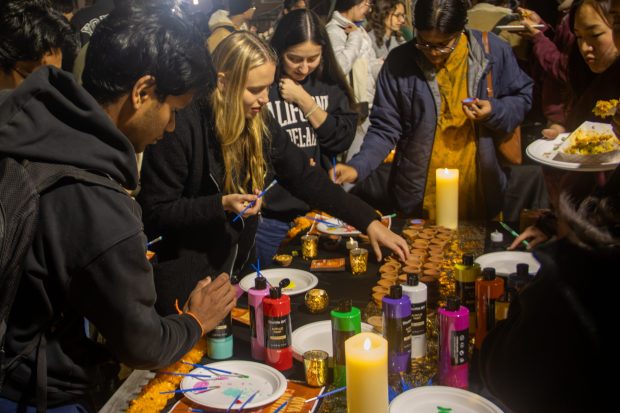
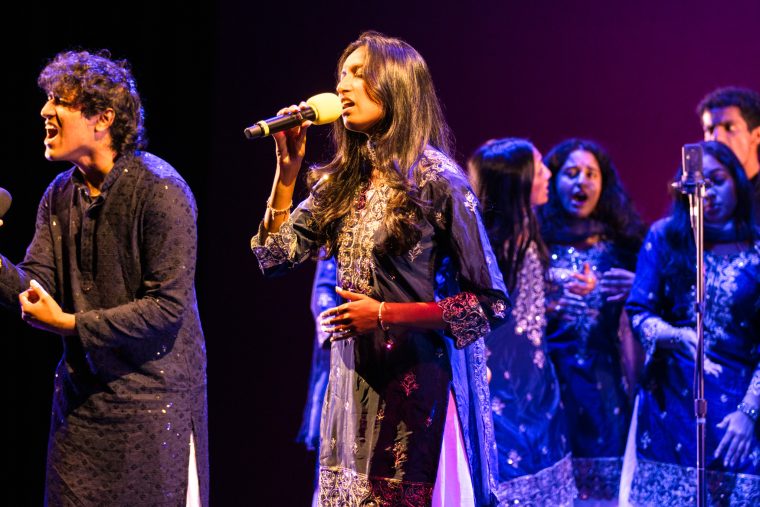
With nearly 200 performers, 400 hours of preparation, and 1600 viewers, the annual Diwali showcase returns to Edison Theatre this weekend to awe the WashU community. Organized by WashU Ashoka, WashU’s South Asian Student Association, the show celebrates the Hindu festival of lights with music and dance across 11 acts. While many observe Diwali as part of religious tradition, this celebration highlights South Asia’s diverse cultural heritage.
“South Asia isn’t just India. And India doesn’t have just one culture. There’s Punjabi culture, Gujarati culture, Tamil, Telugu … the list goes on,” senior Varun Vadhera, Ashoka’s president, said.
Over the past 43 years of performances at WashU, the show’s main beats have stayed consistent: a skit from the Hindu Student Association introduces Diwali’s history, the executive board dances while introducing themselves, and the emcees weave a story. Throughout, myriad dancers and a cappella groups perform with an accompanying fashion show.
“It’s really emotional to see everyone come together,” Vadhera said. “When that curtain closes on that Saturday night show, it’s just a huge sense of accomplishment.”
Isabella Diaz-Mira | Managing Photo Editor
For Ashoka, preparations begin in April. The club manages the nitty-gritty logistics and fundraises for charity. This year, a portion of sales will go toward Karuna, a nonprofit that aims to end menstrual exile: the practice of banning women from their communities during their period.
Ashoka balances production costs and schedules while collaborating with student groups in the creative process. Each year, as one of the longest-running student performances, the group tweaks the details while maintaining tradition.
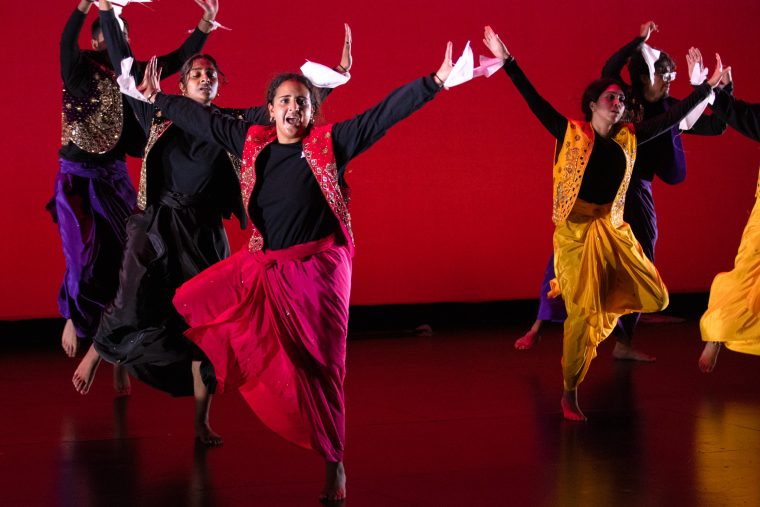
Diwali’s newest act, the Sangamam Showcase, highlights folkloric South Indian subcultures. For the first time, Diwali will represent them with fast-paced, powerful Oyilattam and Kuthu dances. In other parts of the show, WashU Raas, WashU Garba, WashU Bhangra, and WashU Classi will return with new dance numbers, costumes, and the same explosive energy.
“It’s nice to be able to showcase [these] customs you wouldn’t know unless you grew up in the culture,” said senior Maegha Tipirneni, WashU Classi’s dance captain.
Performers began Diwali rehearsals in early August, and on show days, schedules intensify as performers are at Edison Theatre from 10 a.m. to 10 p.m. It’s a demanding commitment on top of being a full-time student.
“It definitely gets busy,” said sophomore Nisha Lee, a member of both WashU Classi and WashU Garba, “but it’s honestly a great escape from all my schoolwork, because once I get to dance, I’m not thinking about anything else.”
Before intermission, the “class dances” encourage all Diwali participants, dancers or not, to compete against one another before the audience crowns their favorite. Inspired by sangeet, a pre-wedding ceremony in Indian and Punjabi tradition, this dance follows a similar structure of vibrant choreography. This year, Diwali will open the competition to students in all four years, rather than just first-years and seniors.
A flurry of rehearsals, long nights, and a rigorous practice schedule leads to a tightly bonded group of student performers.
“The upperclassmen … were just so kind, so welcoming. They always asked to hang out, or to get to know me, and to get to know all the underclassmen,” Lee said. “They’ve become some of my really close friends.”
With these friendships on display, Diwali’s bright, enthusiastic, and passionate performances give WashU students a window into South Asian culture and a platform to share their passions with St. Louis.
“To many people, [Diwali] is a part of their identity … and they really want to share that with WashU,” Vadhera said.
Stay in Touch!
Get the latest and top news from StudentLife delivered to your inbox