News
“Decolonizing Thanksgiving”: Understanding the history of Thanksgiving

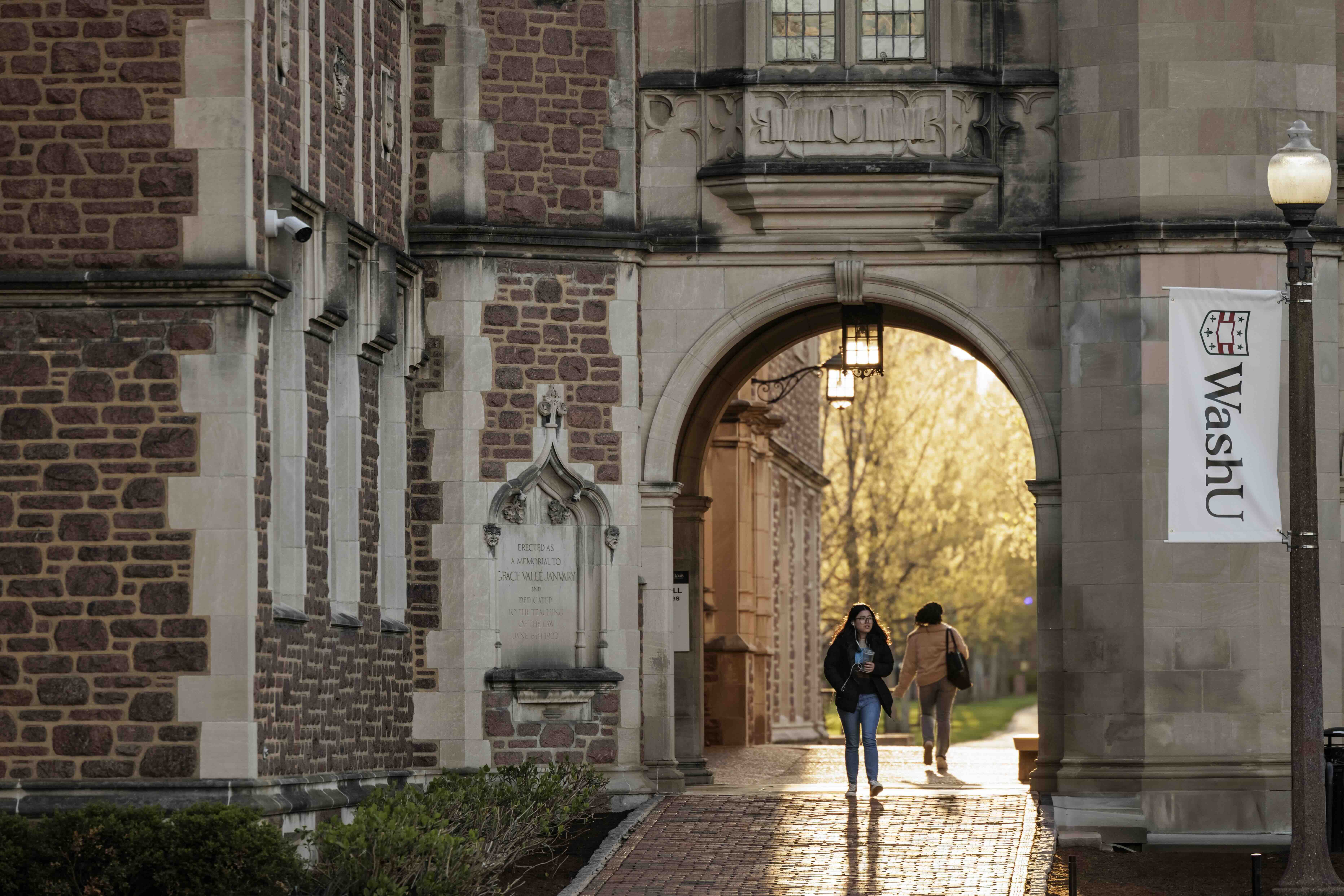
Photo by Photo Editor Holden Hindes.
The Office for International Students and Scholars and the American Indian Student Association (AISA) led a conversation titled “Decolonizing Thanksgiving,” informing attendees about the history of the holiday and inviting open discussion and reflection about the indigenous peoples and land, Nov. 14.
Led primarily by International Student & Scholar Advisor Evelyn Real, the event hosted about 15 students and focused on the reexamination of the meaning of Thanksgiving and how to be more racially conscious in its celebration. Panelists Jessica Frazier, Michelle Giannoulakis, and Ashlyn Newcomb also offered a more personal look at the indigenous experience.
Real showed two videos: an animated story of the first Thanksgiving, including the history of colonization, early occupation, slavery, and pilgrims, and “Real History about Thanksgiving” which demonstrated young Native American girls’ experience with the holiday.
Real began the discussion by addressing the various myths that surround Thanksgiving, such as the ideas that indigenous and European interactions were friendly, that indigenous history began with the arrival of Europeans, or that the Mayflower was the first contact between these two entities.
Additionally, Real mentioned cultural appropriation seen in schools, sports, and within the fashion industry that continue to disperse offensive stereotypes of indigenous culture, such as the Kansas City Chiefs that exist in Missouri today.
“For Thanksgiving, many teachers still have their students do cultural dress when that is not their culture,” Real said. “The fashion industry takes many, many cultures away and tries to appropriate them for themselves.”
Real also acknowledged the importance of recognizing the indigenous peoples that inhabited the land before the settlers, such as the Illinois Confederacy pushed out of Missouri in the 19th century.
“Know where your water, heat, electricity and other resources come from,” Real said. “Enormous amounts of resources are extracted from reservations in the forms of coal mining and burning, fracking, uranium mining, nuclear waste dumping, and copper mining, all of which leave toxic pollution for generations. Extractive projects often lead to increased violence against indigenous women and children.”
Real explained that Christianity justified the genocide and colonization of indigenous peoples, with the first documents of this doctrine written by Pope Urban II in 1095 that determined any land without Christians open to conquest. Today, the U.S. system of private property and land ownership stems from this.
In an interactive activity, Real instructed attendees to stand up and gather around white boards with different reflective questions: Where did you learn the history of Thanksgiving? What are the dangers of continuing to perpetuate the myths of Thanksgiving? What opportunities do you have to engage in conversations about changing mascots and other harmful representations of indigenous people?
Then the panelists, all of Native American heritage, had a discussion about their family and Thanksgiving, as to many the holiday is representative of the deaths of indigenous peoples and culture.
“[Learning the truth] changes some things I’ve always thought about myself and who I thought I was,” Frazier said.
Now, Frazier’s family uses the day as a celebration.
“It’s…celebrating us, that’s why we get together. We’re honoring who we are,” she said.

Photo by Photo Editor Holden Hindes.
Giannoulakis, a Masters of Social Work student with an American Indian and Alaska Native concentration, explained that while she came in knowing that a lot of what she had believed about Thanksgiving was not true, it was “disturbing” to discover the extent of the holiday’s fallacy as it is taught to American students.
Finally, Real encouraged students to “engage in vocal struggles and build relationships” by maintaining awareness of and supporting Indigenous-led struggles. Panelists suggested finding books or podcasts by Indigeneous creators, following indigenous people on social media, using the Center for Diversity and Inclusion to share indigenous culture, or staying up-to-date with AISA activities.
In order to decolonize Thanksgiving and bring awareness to its origins, Newcomb encouraged students to “have those awkward conversations.”
“Call it what it is,” Frazier said, “part of a genocide.”
Stay in Touch!
Get the latest and top news from StudentLife delivered to your inbox