Staff Editorials
Lofts demonstrate larger concern with Washington University’s place in the city
There have been many recent complaints about the Lofts of Washington University development project and questions about its readiness as a residential space. Last week, flooding in the lobby of one of the buildings reawakened worries about a rushed construction process due to the University’s haste to rapidly increase housing space, especially as class sizes grow and many of the off-campus apartments on Washington Avenue, Kingsbury Boulevard and Waterman Boulevard undergo renovation.
While we may tend to focus on micro-issues and grumbles with the building itself, like the strange accent walls or the exposed ceilings (an accident or a “design choice”? We may never know), the Lofts are indicative of a much larger and overlooked subject: Wash. U.’s desire to expand without consideration for the city that houses it.
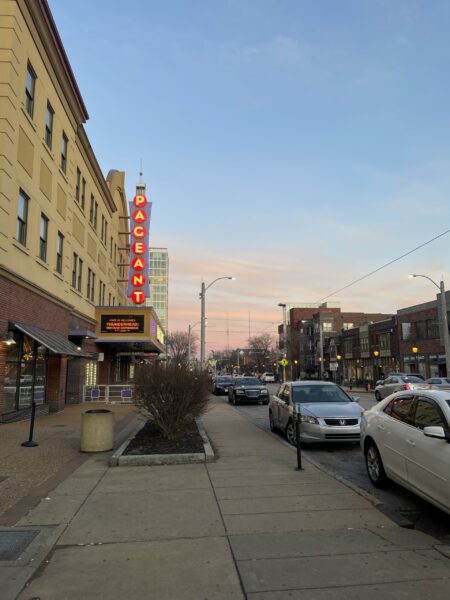
The Lofts may look architecturally modern and expensive, but it’s clear that the design of the buildings was not done with the rest of the Delmar Loop in mind. Delmar is a street rich with history and a colorful lineup of red brick and neon signs. The Lofts look like the awkward guest who came to the party way overdressed: a big attention-seeking glass box amidst more diminutive and casually dressed mixed retail and housing businesses.
The Lofts certainly don’t fit into the existing aesthetic of University City. In fact, the Lofts are a blight on the area. The University may talk a lot about integrating students into the community, but when they actually get the chance to facilitate that, it is mishandled.
The nonsensical—and expensive—parking permits that let students park at the Lofts but not on campus mean that many residents forgo the pass for street parking, clogging up the lanes behind the Lofts. This makes the two-way street designation rather questionable, especially if a bus is coming toward you. It’s not only an inconvenience for students but also for longtime University City residents—one that is being overlooked by the school.
The fact that the two vendors chosen for the Lofts’ retail space are independent and locally owned outlets (the Peacock Diner is the latest project of Loop legend Joe Edwards, owner of Blueberry Hill, and United Provisions is operated by the owners of Kirkwood store Global Foods) must be praised. The University decided to follow the independent and quirky spirit of Delmar’s retail culture in this aspect.
But the idea of “breaking the bubble” is to promote students getting out of the comforting arms of campus and start experiencing St. Louis. It’s hard to do that with the University spreading itself further and further into the city. As the Lofts signals the Wash. U. spread, there is a danger of the school leeching away the history of the Loop in favor of a more generic, big-city style that doesn’t belong.
Right now, the Loop still feels like an authentic piece of St. Louis history, and Wash. U. risks becoming a faceless interloper into the area. More housing may be necessary as class sizes here show an upward trend. However, it would better for the school and our city if the University could limit class sizes to prevent the need for more expansion projects and preserve the unique atmosphere of a night walking down the Loop.
Stay in Touch!
Get the latest and top news from StudentLife delivered to your inbox