Staff Columnists
Alabama administrators are 50 years late to Social Justice 101
On August 17, the 17 sororities of the University of Alabama Panhellenic Association distributed bids to hundreds of incoming freshmen women. And this year, just like every other year for the past five decades, not a single one of those women was black.
The University of Alabama was famously integrated under an order from President John F. Kennedy in 1963. However, the university’s Greek life system has remained segregated. The sororities are split into two groupings – the UA Panhellenic Association, which consists of 17 white sororities; and the National Pan-Hellenic Council at the University of Alabama, which consists of 4 historically black sororities. Every year, thousands of women accept bids and join respective racially segregated sisterhoods. And every year, the university remains quiet on the issue. This year, however, something was different.
This fall, an African-American freshman – and daughter of a University Board of Trustees member – signed up for fall rush. She was wildly popular with every sorority she visited, earning perfect scores from several rush chairs of white sororities. When the time came to distribute bids, several historically white sororities voted unanimously to invite her to join. However, alumni and university advisors to the sororities in question blocked her from receiving any bids. It was a scene all too familiar in the state of Alabama – young people attempting to reach out and be more inclusive being shut down by authority figures.
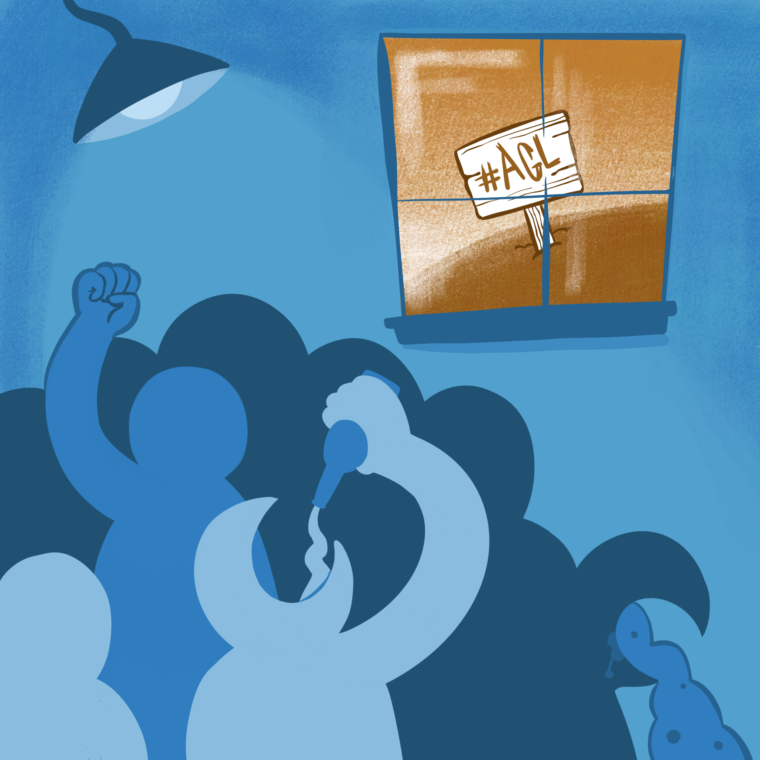
Students on campus were furious. The Chi Omega rush chair resigned immediately, and Greek and non-Greek students organized several protest marches demanding that the university support racial integration of Greek life. The university’s typical response to racial issues in Greek life over the past five decades has been to claim that their hands are tied because the fraternities and sororities are private institutions. This time, however, increasing pressure from students and national media led the university president, Judy Bonner, to re-open the bid distribution process. On Friday, bids were distributed to 11 African-American women. The university administration celebrated this as a major milestone in social justice for the school.
As a resident of the state of Alabama, I’m thrilled that the most powerful student organization at the biggest school in the state is finally embracing some sort of diversity. But there’s one question I can’t stop asking myself – why did it take this long? Why did it take the university five full decades to take any sort of action? Why did it take the daughter of University Board of Trustees member for there to be enough outrage? Why did it take the university getting unprecedented national attention because of the success of the football program’s recent success for there to be enough media pressure to make change? Why did the exact same process happen every year for so long before anything happened? George Wallace got kicked out of the schoolhouse door in 1963. It’s inexcusable that it took the school so long to make progress in integrating Greek life.
One of the things I loved about growing up in the South was the generally relaxed pace of life – people feel like they have time to stop on the street and talk to each other. Unfortunately, this slow pace has also applied to social change in the state of Alabama. Ingrained prejudice and systemic racism haven’t faded away nearly as much as they have in other parts of the country. However, as the recent events at the University of Alabama demonstrated, the youth of my state are no longer content with keeping to the status quo. Many of us are ready and willing to put in the work to create a more inclusive culture in the state. The racial integration of Alabama sororities is an extremely small step on the long road towards achieving social justice in the state, but it’s a step nonetheless. Time and time again, efforts for racial equality in Alabama have been thwarted by a generation of state leaders still living in the 1960s. But it isn’t 1963 anymore – the rest of the nation has moved on. If the leaders of my state have to be dragged kicking and screaming into Social Justice 101 then so be it. Because I firmly believe that this year – fifty years after the bombing of the 16th Street Baptist Church and the forced integration of the University of Alabama – things can be different.
Stay in Touch!
Get the latest and top news from StudentLife delivered to your inbox