Special Issues
What ‘benchriding’ in college has taught me
In high school, I was one of the top players on my tennis team’s roster. This past season, as a first-year on WashU’s women’s tennis team, I played in zero matches. As you can imagine, “benchriding” never felt ideal in the moment, but as I’ve reflected on my first year at WashU, I’ve realized that no longer playing in a top spot has made me grow more as a person than perhaps I ever did in high school.
As you begin your WashU journey, I advise that you abandon the type of mindset that prioritizes external validation. Even if that approach got you through high school, having a fulfilling college experience does not necessarily mean being the best at everything anymore. Instead, you should approach college as an opportunity for exploration and personal growth. This is a moment in life in which you can try new things (and fail!) to find what makes you happy. In my experience, benchriding hasn’t been so bad after all.
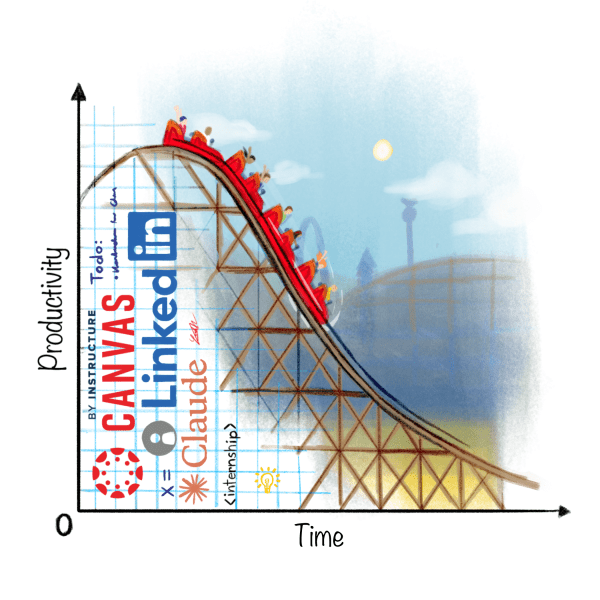
WashU is full of high achievers. Most of the students here, including yourself, were likely in the top of their high school classes and involved in impressive extracurriculars. It’s a canon experience to arrive at WashU and feel alarmed at the reality that nearly all of the students here are (for lack of a better phrase) locked in.
Indeed, the college application process rewards students who seem to have figured out their life story, passions, and plans when they were merely 15 years old. It celebrates those who were willing to devote their selfhood during high school to gaming the admissions system. While this setup encourages hard work, it also ingrains into students a mindset that values things you can put on your resume or college application over other forms of fruitful exploration.
In my case, by middle school, I knew I wanted to play college tennis, so I dedicated myself to that goal. Weeknights were spent training. Weekends were spent at tournaments. I was driven by the tangible objective of being recruited. Again, this kind of thinking is effective: It inspired me to adopt a strong work ethic. But when I didn’t get the results I wanted in matches or tournaments, I remember that I didn’t always ground myself with the “right things” — how I played tennis because I loved it, or how losses were always opportunities to learn. Instead, I tended to return to superficial validations: failures were okay because I played a certain position on my high school team, I was this ranking or that, and so on.
Then, I arrived at WashU. I had done it: I made it to college tennis. Suddenly, however, I was in the bottom of our team’s lineup. All of the things I previously used to validate my tennis shortcomings were now irrelevant. I realized that I could no longer highly value results in my approach to tennis, because I was quite literally not getting any playing time.
I noticed, though, that I still looked forward to practice everyday. I still loved the feeling of hitting a clean shot or poaching a volley. Over the course of this year, my benchriding experience has affirmed for me that I do, in fact, truly love tennis. Being one of the weaker players on our team has solidified my belief that joy from sports comes from something deeper than winning, and that’s a value that I will carry with me for the rest of my life.
I encourage you to adopt a non-results based approach to your WashU experience. Instead of finding rooms where you’re the smartest, put yourself in situations where you feel the dumbest — you’ll probably learn more anyway. Instead of only searching for extracurriculars that will look professional on your resume, try activities that bring you joy — you might discover passions that will make your life more meaningful. And instead of berating yourself when things don’t go your way, embrace those moments as chances to learn — you’ll grow in ways you may not have expected.
Of course, there are several unavoidable external measures of validation that will follow you throughout college: GPA, competition for clubs, etc. It would be poor advice to tell you to completely ignore those metrics since they are undoubtedly influential on one’s life. Nevertheless, if you let those pressures dictate your existence here, then you risk connecting your identity to status signals ultimately out of your control.
Some students here pick classes that are “easy A’s” and others choose classes because they sound interesting, even if they’re hard. You probably know which approach will help you get the most out of your WashU experience. Take it from me — a seasoned benchrider — not always winning can be rewarding too.
Stay in Touch!
Get the latest and top news from StudentLife delivered to your inbox