News
The St. Louis County and City of St. Louis divide, explained
When you move into your South 40 dorm for the first time, you’ll probably cross through several different municipalities in one day, just by walking, and never realize it. You also may not realize how much those municipal borders matter.
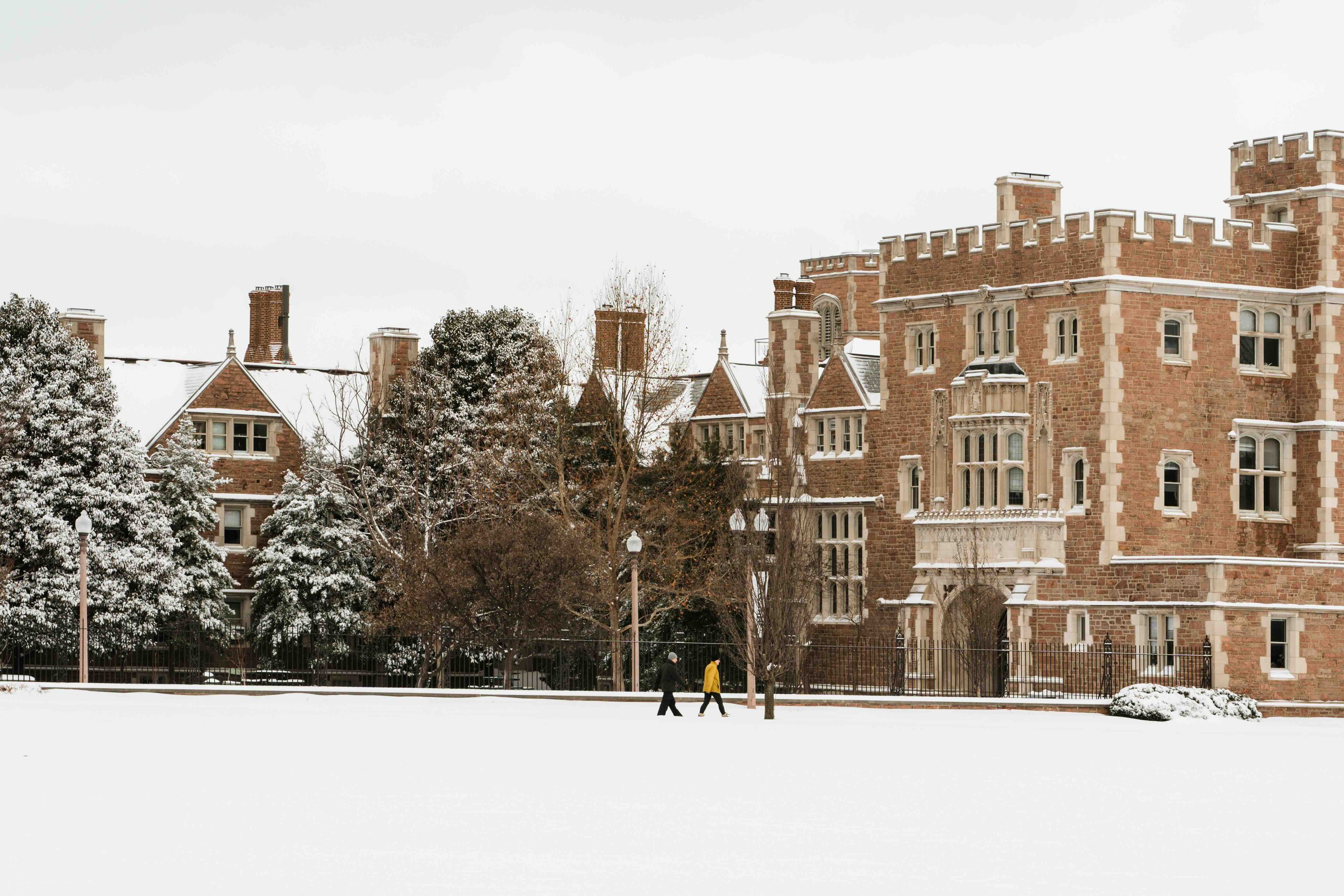
For first-years who aren’t from St. Louis, it is surprising to learn that the City of St. Louis is not part of St. Louis County but rather a separate entity. Most of WashU’s Danforth Campus is in unincorporated St. Louis County, but the East End of campus is in the City of St. Louis. The medical campus is entirely within the city. And to make things more confusing, the South 40 falls within Clayton, a city within St. Louis County.
The area’s municipal boundaries are more than trivia. The divide between the City of St. Louis and St. Louis County affects crime statistics, police departments, courts, taxes, elections, library systems, and schools. The strange separation of the city from the county dates back to 1876 and what historians call “The Great Divorce.” Eleven wealthy St. Louis businessmen sought to grow their local influence and keep their tax money close to home, so they drew the city’s borders over the course of 52 meetings and put the issue to a vote.
The original 1876 ballot measure was mired in controversy. The measure was submitted after midnight on July 3, and legal documents cannot be filed on national holidays, making the submission illegal. Initially, the referendum to separate the city and county failed, but the Missouri Court of Appeals threw out close to 4,000 ballots, many of which were marked “no” but showed partially erased “yes” votes. Some precincts had more “no” votes than there were voters in the precinct. Anti-separation election officials admitted they stuffed ballot boxes, and after a recount, the measure passed. The City of St. Louis seceded from the county and became, in effect, its own county. According to St. Louis Public Radio, the election fraud of 1876 means it is difficult to tell whether or not most St. Louisans wanted separation, and in fact, it is possible that separation never had majority support.
St. Louis is far different from what it was 150 years ago. At the time, the city was wealthier than the county. The county was mostly farmland, whereas the city was experiencing an economic boom. Today, affluent suburbs make up the county, and the city faces more challenges. Some locals say the relationship between county and city is characterized by a “cultural divide.”
The wealth gap between city and county may be one reason the two have remained separate through the years, along with other factors, such as St. Louis’ entrenched racial segregation and differences in political leanings.
Since the separation, there have been multiple attempts to combine the city and county, but other than establishing a shared sewer district, merger efforts have come up short.
In 2019, corruption allegations tainted the Better Together campaign before it could get off the ground. Better Together proposed a statewide ballot initiative for 2020 that would change the Missouri Constitution to reunite the City of St. Louis and St. Louis County. But the face of the campaign, the future mayor of the merged metro area, was indicted on federal corruption charges three months after the referendum was announced, sinking the plan.
Early on, there were also concerns that the Better Together plan would diminish Black political power in the city. The city’s population is 42% Black, which would have decreased to less than a third under the Better Together plan, per St. Louis Public Radio. A mayor in north St. Louis County, Reggie Jones, said “never-ever Better Together.”
Most recently, in April of 2026, St. Louis County Executive Sam Page floated the idea of “re-entry,” a moderate approach that would keep key leadership positions separate while consolidating some city and county offices.
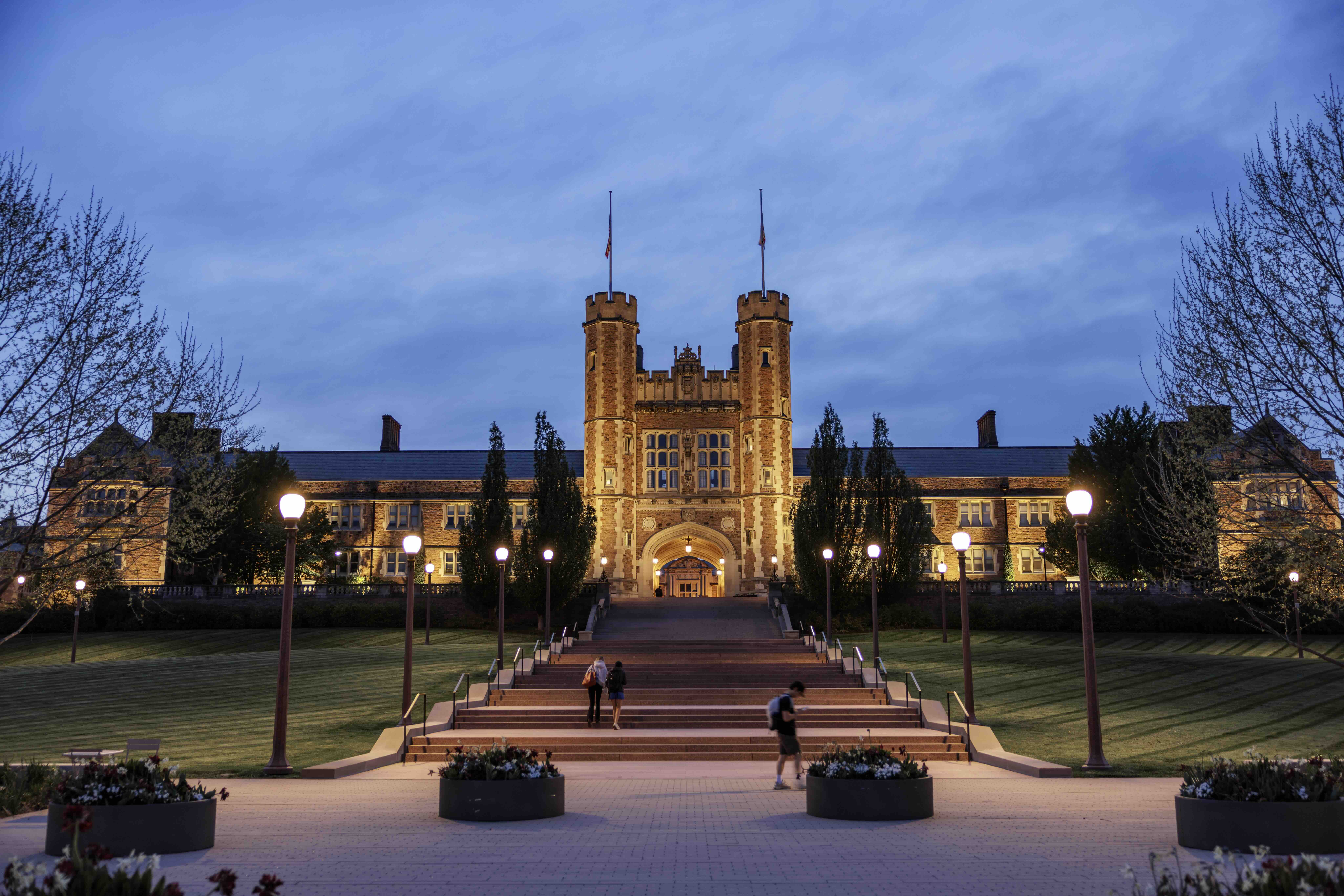
For now, the city and county remain separate jurisdictions. When you move in this August, even if you only walk from Kaldi’s Coffee to Brookings Hall, you’ll cross an invisible boundary that has visibly shaped the St. Louis metro area.
Stay in Touch!
Get the latest and top news from StudentLife delivered to your inbox