Here’s what’s happening: WashU is wasting money on educationally irrelevant investments, taxing Arts & Sciences (and its other schools) to make up for its deficits, and defunding what matters.
“Those people are gonna have to go get other jobs,” Zacks said. “They’re gonna lose contact with their human participants in their studies. So it potentially sets things back by much more [than just funding].”
We both plan to attend law school, which we are sure will teach us new things and expose us to new perspectives. Still, nothing is quite like an undergraduate education in the liberal arts. Our lives are dedicated to learning. We are encouraged to follow our intellectual curiosity without the pressure to turn all of those interests into lucrative careers.
The idea of consolidating humanities departments should never have occurred at a university of WashU’s stature. Yet sadly, the university experience has become more of a business instead of a site of meaningful self-exploration that the humanities encourages.
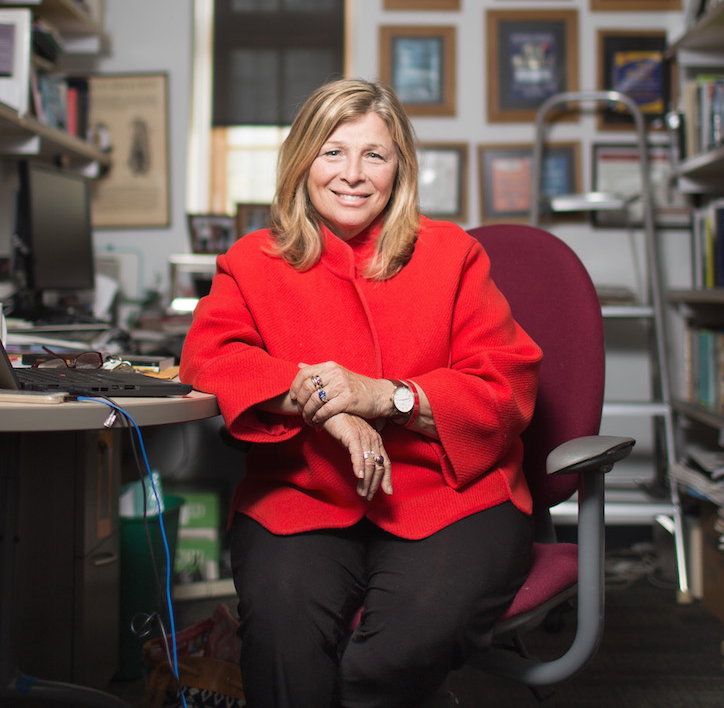
Sociologist Pepper Schwartz will speak about sex, love, and life in a conversation scheduled for 10:00 a.m. on Wednesday, April 16 in Graham Chapel. In anticipation of the event, Schwartz sat for an interview with Student Life to discuss the event and her views on sex, sexuality, love, and related topics.
WashU publicly announced its plans to break ground in Spring 2025 on Riney Hall, a new building in Arts & Sciences that was motivated by the ongoing growth of Arts & Sciences programs and departments.
Gerald Early presented and answered questions on his role in preserving and sharing the history of Black baseball players during “An Evening with Gerald Early: ‘Reconceiving the National Baseball Hall of Fame’s Black Baseball Exhibit,’” co-hosted by the WashU Alumni Association and College of Arts & Sciences on Wednesday, March 6.
On February 29, Washington University College of Arts & Sciences announced the arrival of a flexible learning program to take place over the summer of 2024.
We must protect the value universities offer as spaces for mobilizing against injustice and critiquing ongoing forms of oppression.
With a hybrid semester, faculty members had a decision to make: To teach in-person or stay fully remote. With course quality, safety and other personal considerations to take into account, we explore how professors made that choice.
Stay up to date with everything happening at Washington University and beyond.
Subscribe